


Listen to the article
Controversy Surrounds ‘The Kerala Story 2’ as Legal Challenges Mount
Nearly three years after the release of the contentious “The Kerala Story,” its sequel “The Kerala Story 2: Goes Beyond” has ignited fresh controversy across India. The film, which claims to be “inspired by many true events,” faces mounting criticism from prominent film industry figures and legal challenges in Kerala’s judicial system.
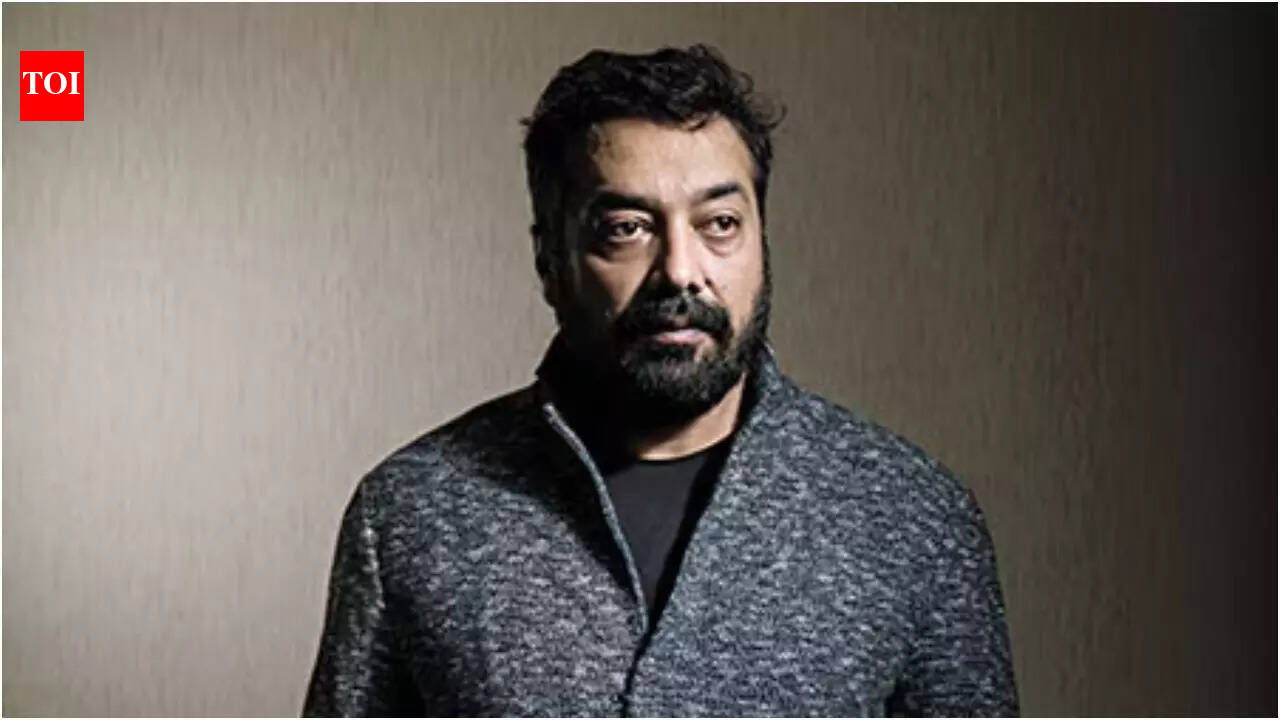
Acclaimed filmmaker Anurag Kashyap made headlines this week with his unfiltered criticism of the project during an impromptu interview at Kochi Airport. When questioned about the film, Kashyap didn’t mince words, calling it “bullshit propaganda.”
“Who feeds someone beef like this? No one is fed even khichdi in this manner,” Kashyap remarked, referencing a controversial scene from the film’s trailer. He further criticized the filmmakers’ motives, stating, “They just want to make money and please everybody; divide people. The filmmaker is a greedy man. He just wants to make money.”
The Kerala High Court has now entered the fray, issuing a notice to the producers following a writ petition challenging the film’s certification by the Central Board of Film Certification (CBFC). The petition specifically objects to promotional materials that allegedly depict women from various states being trapped in relationships and coerced into religious conversion.
According to court documents, the petitioner argues that despite the narrative spanning multiple states, the title specifically associates terrorism, forced conversions, and population manipulation plots with Kerala. Of particular concern is the Hindi tagline in the teaser that translates to “We will not tolerate it anymore… we will fight,” which critics claim could potentially incite communal violence.
The petition further alleges that the CBFC failed to adhere to Section 5B of the Cinematograph Act of 1952, which prohibits certification for content that could harm public peace, morality, or decency, or that might encourage criminal activity. The legal challenge also references previous controversies surrounding the first film, noting that the makers had been required to add a disclaimer acknowledging that certain numerical claims in the original film were unverified and partially fictionalized.
The petitioner contends that the sequel received CBFC approval without adequate scrutiny of its potential impact on communal harmony or state dignity, despite previous legal challenges. The petition seeks revocation of the certification, review of the title and disclaimers, and a stay on the film’s release pending further investigation.
Producer Vipul Amrutlal Shah has defended the film’s title despite acknowledgments that it’s not a direct continuation of the original narrative. “Kerala Story 2 goes beyond Kerala and exposes the massive conspiracy of manipulative conversion going on throughout India,” Shah told ANI. “Because its central theme is the same as Kerala Story 1, we named it Kerala Story 2.”
Shah also addressed the relative lack of direct threats against the production thus far: “Till now, there has been no threat to this film. When you are telling the truth, perhaps you are not in that much danger because people feel that if we threaten a person who tells the truth, there could be backlash.”
The controversy highlights ongoing tensions in Indian cinema regarding films that touch on sensitive religious and political themes. The original “The Kerala Story” sparked nationwide debates about the representation of religious communities and the line between artistic expression and inflammatory content.
While the legal and public discourse unfolds around “The Kerala Story 2,” Anurag Kashyap continues work on his own projects, including the anticipated film “Kennedy,” starring Rahul Bhat and Sunny Leone, which is scheduled for an India release on streaming platform ZEE5.
Fact Checker
Verify the accuracy of this article using The Disinformation Commission analysis and real-time sources.

12 Comments
Interesting to see the debate around this film. Kashyap’s comments raise valid concerns about the filmmaker’s motives and whether the content is factual or just propaganda. Curious to see how the legal challenges unfold.
I’m not familiar with the specifics of the original film, but Kashyap’s criticism of it as ‘bullshit propaganda’ is quite strong. Sounds like there are some serious questions about the accuracy and intent behind this sequel.
Filmmakers have a responsibility to handle sensitive topics with nuance and objectivity. Kashyap’s accusations that ‘The Kerala Story 2’ is ‘bullshit propaganda’ raise red flags. Hopefully the legal review can provide clarity on the film’s accuracy and intent.
Propaganda films that seek to ‘divide people’ rather than inform and educate are concerning. Kashyap’s blunt critique of the ‘The Kerala Story 2’ seems warranted based on the details provided. Curious to see how this legal battle plays out.
It’s concerning to see a prominent filmmaker like Anurag Kashyap so forcefully criticize ‘The Kerala Story 2’ as propaganda. His comments about the filmmaker’s motives being driven by greed rather than truth-telling are worth taking seriously.
Controversy around films like this often highlights deeper societal tensions. While creative license is important, Kashyap seems to feel the ‘The Kerala Story 2’ crosses a line into harmful propaganda. The courts will have to weigh in on the facts.
Filmmakers have a responsibility to portray sensitive topics objectively and accurately. Kashyap’s accusation that the filmmaker is just ‘greedy’ and ‘wants to divide people’ is concerning. Hopefully the legal review can provide some clarity.
The Kerala High Court getting involved with a writ petition is a sign that there are substantial issues at play here. Curious to see if the film’s certification is upheld or challenged on grounds of potential misinformation.
It’s good to see prominent voices in the film industry like Anurag Kashyap speaking out against what they see as misleading or agenda-driven content. Objective, fact-based storytelling is crucial, especially on sensitive topics.
I agree, Kashyap’s comments raise important questions about the filmmakers’ intentions and the accuracy of the content. The court review will be crucial in determining if this is legitimate artistic expression or irresponsible propaganda.
The Kerala High Court getting involved with a writ petition suggests there are serious issues with the certification and content of this film. Kashyap’s comments about the filmmaker’s ‘greed’ and intent to ‘please everybody’ are worth considering.
The controversy around this film sequel highlights the importance of responsible, fact-based filmmaking – especially on topics related to minority communities. Kashyap’s blunt critique and the court’s involvement suggest substantial issues that merit close scrutiny.