


Listen to the article
In a move that has reignited controversy within India’s film industry, the creators of “The Kerala Story” have announced a sequel titled “The Kerala Story 2: Goes Beyond,” nearly three years after the original film sparked heated national debate.
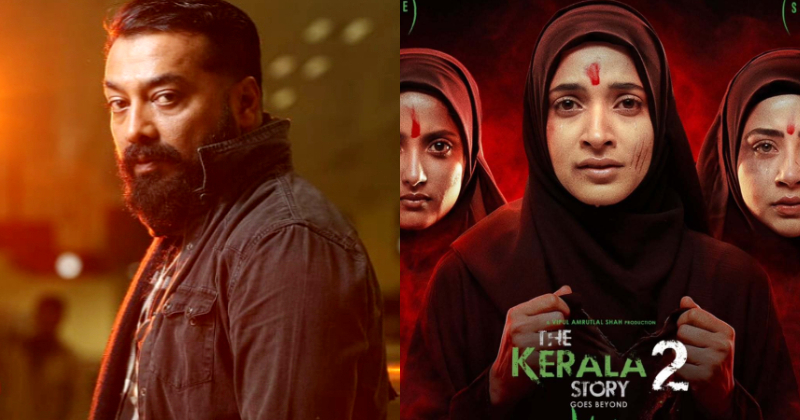
The upcoming film, which carries the tagline “Inspired by many true events,” has already drawn criticism from prominent industry figures, most notably acclaimed filmmaker Anurag Kashyap, who has publicly denounced the project as “propaganda” driven by commercial interests rather than authentic storytelling.
During a recent visit to Kochi for the Filmfare Awards, Kashyap was questioned by reporters about the film backed by producer Vipul Amrutlal Shah and directed by Kamakhya Narayan Singh. The outspoken director did not mince words in his assessment.
“The Kerala Story is bullsh*t propaganda,” Kashyap stated bluntly, before specifically criticizing a scene from the sequel’s trailer that depicts forced beef consumption. “Who feeds someone beef like this? No one is fed even khichdi in this manner,” he remarked, suggesting the scene lacks authenticity.
Kashyap further alleged that the filmmakers’ motivations were purely financial and divisive: “They just want to make money and please everybody; divide people. The filmmaker is a greedy man. He just wants to make money.”
The original film, released in 2021, became a lightning rod for controversy due to its portrayal of religious conversion and terrorism in Kerala. It performed well commercially despite—or perhaps because of—the heated discourse surrounding its content, which many critics labeled as inflammatory.
Producer Vipul Amrutlal Shah has defended the sequel’s title, explaining that while the new film expands beyond Kerala’s geographical boundaries, its thematic core remains consistent with the original. “Kerala Story 2 goes beyond Kerala and exposes the massive conspiracy of manipulative conversion going on throughout India,” Shah told ANI. “Because its central theme is the same as Kerala Story 1, we named it Kerala Story 2.”
Shah also addressed potential security concerns, noting that the production has not received any threats thus far. “When you are telling the truth, perhaps you are not in that much danger because people feel that if we threaten a person who tells the truth, there could be backlash,” he said.
According to promotional materials, “The Kerala Story 2: Goes Beyond” widens its narrative scope to follow young women from various regions of India, exploring their personal relationships while examining issues of alleged religious conversion and societal pressures. This broadened focus appears to be a strategic decision to address similar themes on a national scale rather than limiting the story to one state.
The film comes at a time when Indian cinema has increasingly become a battleground for competing social and political narratives. Recent years have seen a rise in films addressing contentious historical and contemporary issues, often generating polarized responses from audiences and critics alike.
The controversy surrounding “The Kerala Story” franchise highlights the ongoing tension in Indian cinema between creative expression, historical accuracy, and the potential for films to influence public perception on sensitive social issues. As with the original, the sequel is likely to face scrutiny regarding its portrayal of real events and communities.
Production company Sunshine Pictures has begun promoting the film through social media and traditional marketing channels, though a release date has not yet been announced. Industry analysts will be watching closely to see if the sequel can replicate the commercial success of its predecessor amid the renewed controversy.
As the film moves toward release, the debate surrounding its content and intentions is expected to intensify, particularly regarding its depictions of religious practices and conversion narratives in contemporary India.
Fact Checker
Verify the accuracy of this article using The Disinformation Commission analysis and real-time sources.

8 Comments
Interesting to see Kashyap’s strong criticism of the sequel to ‘The Kerala Story’. As a respected filmmaker, his perspective on the film’s authenticity and potential propaganda elements carries weight. I’m curious to learn more about the controversies surrounding the original film and the concerns he has raised.
Kashyap’s criticism of the film as ‘bullsh*t propaganda’ driven by commercial interests rather than authentic storytelling is quite scathing. It will be interesting to see how the filmmakers and producers respond to these allegations and whether they can address the concerns raised.
Kashyap’s remarks highlight the need for a more critical examination of the narratives presented in films, especially those dealing with sensitive social and political issues. Filmmakers must be held accountable for the impact their work can have on public perception and social cohesion.
Kashyap’s critique of the ‘The Kerala Story 2’ trailer highlights the importance of authenticity and responsible storytelling in cinema. Depicting sensitive issues like forced religious conversions or food consumption requires a nuanced approach to avoid further inflaming societal tensions.
Kashyap’s forceful critique of ‘The Kerala Story 2’ underscores the importance of artistic integrity and social responsibility in the film industry. Audiences deserve films that enlighten and unite, not those that propagate harmful stereotypes or divisive agendas.
Kashyap’s condemnation of ‘The Kerala Story 2’ as ‘propaganda’ raises important questions about the role of cinema in shaping public discourse. Responsible filmmaking should prioritize nuanced storytelling over sensationalism or divisive agendas.
Kashyap makes some valid points about the lack of authenticity in the scenes depicted in the trailer. Forced beef consumption is a sensitive issue, and the way it’s portrayed seems questionable. It’s important that filmmakers approach such topics with nuance and respect for the facts.
As a prominent voice in the Indian film industry, Kashyap’s willingness to speak out against what he perceives as propaganda is commendable. It’s crucial that filmmakers are held accountable for the accuracy and sensitivity of the narratives they present, especially on such divisive topics.