


Listen to the article
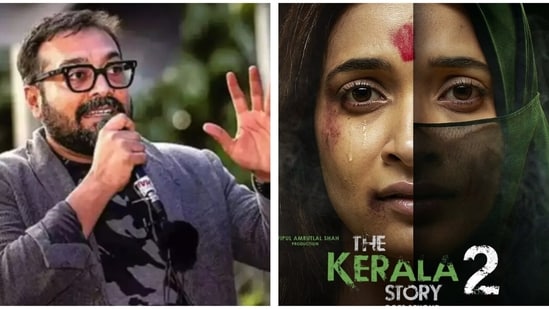
Filmmaker Anurag Kashyap Denounces ‘The Kerala Story 2’ as “Propaganda” Amid Growing Controversy
Controversy continues to swirl around the upcoming film “The Kerala Story 2,” with acclaimed director Anurag Kashyap becoming the latest prominent voice to condemn the project as “propaganda” ahead of its February 27 theatrical release.
Speaking to reporters in Kochi, where he attended the Filmfare Awards South, Kashyap didn’t mince words when asked about the film. “The Kerala Story is a s* movie. It is bull** propaganda. Total bull****,” he stated bluntly. Kashyap specifically criticized a controversial scene from the trailer showing a protagonist being forcibly fed beef by a Muslim family, questioning its authenticity: “Who feeds someone beef like this? No one is fed even khichdi in this manner.”
The filmmaker went further, questioning the motives behind the production: “They just want to make money and please everybody; divide people. The filmmaker is a greedy man. He just wants to make money.”
Directed by Kamakhya Narayan Singh and produced by Vipul Amrutlal Shah, “The Kerala Story 2” has generated polarizing reactions since its trailer release. The film, which has secured a U/A certification from the Central Board of Film Certification, follows the first installment that also faced criticism for its portrayal of religious conversions.
Kerala’s Chief Minister Pinarayi Vijayan recently added his voice to the growing chorus of criticism. In a strongly worded statement, he urged the public to “collectively reject attempts to portray Kerala, a land of religious harmony that stands at the forefront of sustainable development and is a model in maintaining law and order, as a center of terrorism.”
Vijayan emphasized the responsibility of citizens to ensure “Kerala’s secular foundation is not undermined by false propaganda” and called on them to “reject it by upholding the values of secularism and brotherhood.”
The All India Muslim Jamaat has also spoken out against the film, characterizing it as part of a “planned effort to defame Muslims” and claiming it is based on “fake narratives.”
In his defense, producer Vipul Amrutlal Shah told Hindustan Times that the film is based on true cases from the Indian legal system. “When we make a film like The Kerala Story: Goes Beyond, we wanted it to become more representative of our all-India situation,” he explained.
Shah elaborated on the film’s approach to storytelling: “The three stories that we selected, we could not just tell their stories. We have taken many incidents from other girls’ lives and made them part of their stories. As a result, it’s a story of three girls, but it also has a reflection of a lot of other stories in it.”
This controversy highlights ongoing tensions in India’s film industry regarding the portrayal of religious communities and the responsibilities filmmakers have when tackling sensitive social issues. The film industry has increasingly become a battleground for competing cultural and political narratives, with movies like “The Kerala Story” series sparking heated debates about representation, historical accuracy, and the line between artistic expression and propaganda.
As the February 27 release date approaches, the film is likely to continue generating significant discussion across India’s political and cultural landscape, particularly regarding its depiction of religious communities and conversion narratives in Kerala, a state known for its religious diversity and high literacy rates.
Fact Checker
Verify the accuracy of this article using The Disinformation Commission analysis and real-time sources.

5 Comments
The filmmaker’s alleged focus on ‘making money and pleasing everybody’ is concerning. Art should challenge, not simply pander. Hopefully ‘The Kerala Story 2’ can find a way to tackle complex topics without resorting to propaganda.
Interesting perspective from Anurag Kashyap. I can see both sides of this debate – while artistic freedom is important, it’s also crucial to be mindful of how films can shape public discourse, especially on sensitive topics. A balanced, nuanced approach is ideal.
Kashyap’s critique of the beef-eating scene being inauthentic raises some valid points. It’s important for films dealing with real-world issues to strive for accuracy and avoid sensationalism, even if it’s in service of a larger narrative.
I’m curious to see how the controversy around ‘The Kerala Story 2’ unfolds. These debates about the balance between artistic freedom and social responsibility are never easy, but an open, thoughtful discussion is important.
While I respect Kashyap’s perspective, I also believe filmmakers should have the freedom to explore complex issues, even if their approach is controversial. As long as the intent is to genuinely engage with the subject matter, not simply to provoke, their work deserves a fair hearing.