


Listen to the article
In a fervent defense of the controversial hit film “Dhurandhar 2,” veteran actor Anupam Kher has publicly condemned critics who label the movie as propaganda, sparking a renewed conversation about artistic freedom and political messaging in Indian cinema.
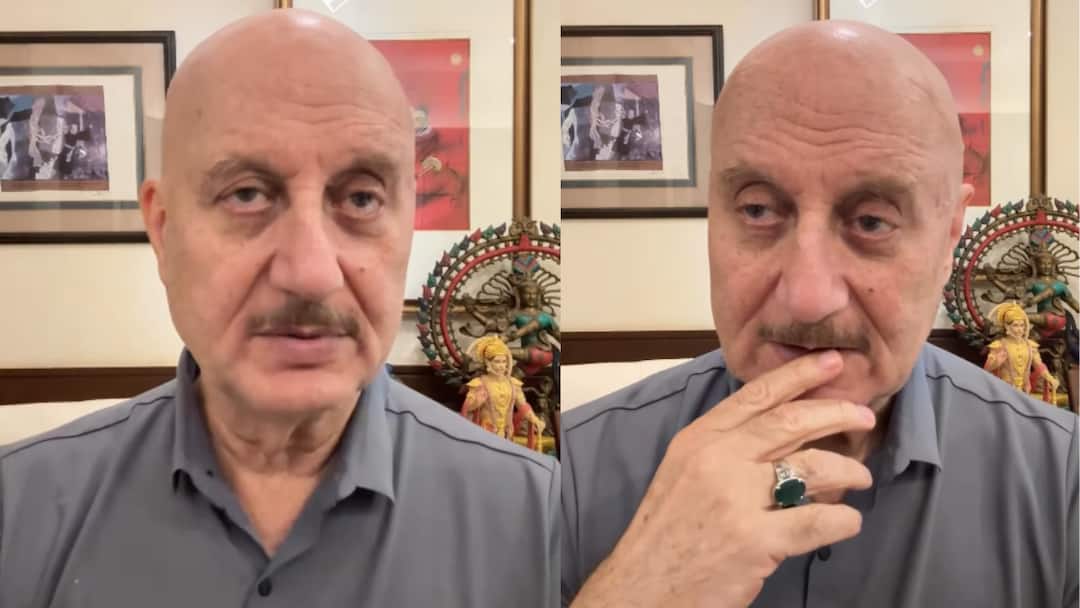
“I feel so sad and pity for those who call the film propaganda,” Kher stated in an emotional video shared across his social media platforms. “Initially I got angry because they tried to call Kashmir Files, Dhurandhar 1 and 2 propaganda movies. But they should be ashamed of themselves. If you can’t tolerate such a movie, you also make one such film.”
The actor’s impassioned defense comes as “Dhurandhar 2,” starring Ranveer Singh, continues its remarkable box office run, reportedly crossing the ₹500 crore mark worldwide in just three days. The film’s commercial success, however, has been accompanied by intensifying debate regarding its themes and messaging.
Kher, who has become increasingly vocal about nationalist themes in Indian cinema, described the film as more than mere entertainment, suggesting it portrays “modern India” while delivering a narrative that “stays with you” long after viewing. His comments reflect the growing polarization in Indian film discourse, where commercial successes with nationalist undertones often face scrutiny from critics who question their political motivations.
“It’s a film that shows modern India, apart from the drama of the movie,” Kher emphasized, suggesting that the film’s critics may be uncomfortable with its portrayal of contemporary Indian values and identity.
The spy thriller, directed by Aditya Dhar, features an ensemble cast that includes Sanjay Dutt, whom Kher specifically praised for delivering a performance that “adds significant weight to the narrative.” Kher also commended Ranveer Singh for his restraint, noting that the actor “avoided overacting and instead maintained a composed presence,” which he believes enhanced the film’s authenticity.
Singh responded to Kher’s defense with evident reverence, writing in Hindi: “Words fail me seeing this, Sir. I grew up inspired by your artistry. Your praise means a great deal to me. I offer my deepest respects to you, Sir.” Actor Rakesh Bedi, who also appears in the film, supported Kher’s stance, describing his reaction as honest.
The controversy surrounding “Dhurandhar 2” mirrors similar debates that surrounded “The Kashmir Files,” another film that achieved commercial success while sparking intense discussions about its portrayal of historical events. Both films have been criticized by some for potentially simplifying complex historical and political issues, while supporters argue they bring necessary attention to overlooked narratives.
Film industry analysts note that the success of “Dhurandhar 2” reflects a growing market for nationalist-themed entertainment in India, where films that align with certain political sensibilities often find robust audience support despite critical debates. The film’s ability to generate both substantial revenue and heated discussion highlights the evolving relationship between commercial Indian cinema and political discourse.
As “Dhurandhar 2” continues its theatrical run, the conversation around it has expanded beyond artistic merit to broader questions about cinema’s role in shaping national narratives. While box office numbers suggest strong audience endorsement, the ongoing debate—amplified by voices like Kher’s—demonstrates how contemporary Indian films increasingly serve as cultural battlegrounds where questions of patriotism, propaganda, and artistic expression converge.
For now, “Dhurandhar 2” remains both a commercial juggernaut and a lightning rod for cultural debate, with Kher’s defense adding another prominent voice to a conversation that extends far beyond cinema halls into the heart of India’s evolving national identity.
Fact Checker
Verify the accuracy of this article using The Disinformation Commission analysis and real-time sources.

18 Comments
The debate over ‘Dhurandhar 2’ highlights the tension between commercial success and social responsibility in the film industry. Navigating this balance is an ongoing challenge with no easy solutions.
Agreed. As artists seek to connect with audiences, they must also consider the broader impact and implications of their work. Thoughtful self-reflection is important.
Kher’s impassioned defense of the film reflects the polarized nature of this debate. While he’s entitled to his view, it’s important to also hear from critics who see the film as propaganda. Open dialogue is key.
Well said. Dismissing valid criticisms as mere ‘intolerance’ oversimplifies a nuanced issue. A diversity of perspectives should be welcomed in these discussions.
Kher’s defense of the film highlights the sensitivity around nationalist themes in Indian cinema. While artistic freedom is important, the concerns around propaganda should not be ignored. A balanced approach is needed.
Absolutely. Dismissing valid criticisms as ‘intolerance’ oversimplifies a nuanced issue. Constructive discussion that respects diverse viewpoints is key to navigating this debate effectively.
The success of ‘Dhurandhar 2’ reflects the public’s interest in nationalist themes, but the propaganda debate highlights the need for critical analysis of such narratives in popular media.
Well said. Audiences should engage with diverse perspectives and not simply accept films at face value, especially when they touch on sensitive political and social issues.
Kher’s defensive stance is understandable, but the concerns around propaganda should not be brushed aside. Constructive dialogue that acknowledges multiple viewpoints is needed to move this discussion forward.
Precisely. Dismissing criticism as intolerance shuts down meaningful debate. A nuanced approach that respects artistic freedom while also examining potential sociopolitical impacts is crucial.
Kher’s passionate defense of the film is understandable, but the concerns around propaganda should not be dismissed. This debate underscores the complex relationship between art, politics, and social impact.
Exactly. Navigating this balance is an ongoing challenge, and requires nuanced discussion that respects artistic freedom while also considering the broader societal implications of creative works.
The commercial success of ‘Dhurandhar 2’ highlights the audience’s appetite for nationalistic narratives in Indian cinema. But the debate around propaganda versus artistic freedom is a complex one without easy answers.
Absolutely, there are valid concerns around the use of cinema to promote certain political ideologies. A balanced approach that respects both artistic expression and social responsibility is ideal.
The debate over ‘Dhurandhar 2’ reflects the broader tensions in Indian cinema around nationalism, artistic expression, and political messaging. There are valid arguments on both sides that deserve thoughtful consideration.
Well said. These issues are rarely black and white, and open-minded dialogue that acknowledges multiple perspectives is essential for meaningful progress on such complex topics.
Interesting debate around the political messaging in this film. As an artist, Kher has the right to defend his work, but it’s important to also consider diverse perspectives on artistic freedom and propaganda.
I agree, the line between artistic expression and political messaging can be blurry. Thoughtful discussion on these topics is valuable, even if views differ.