


Listen to the article
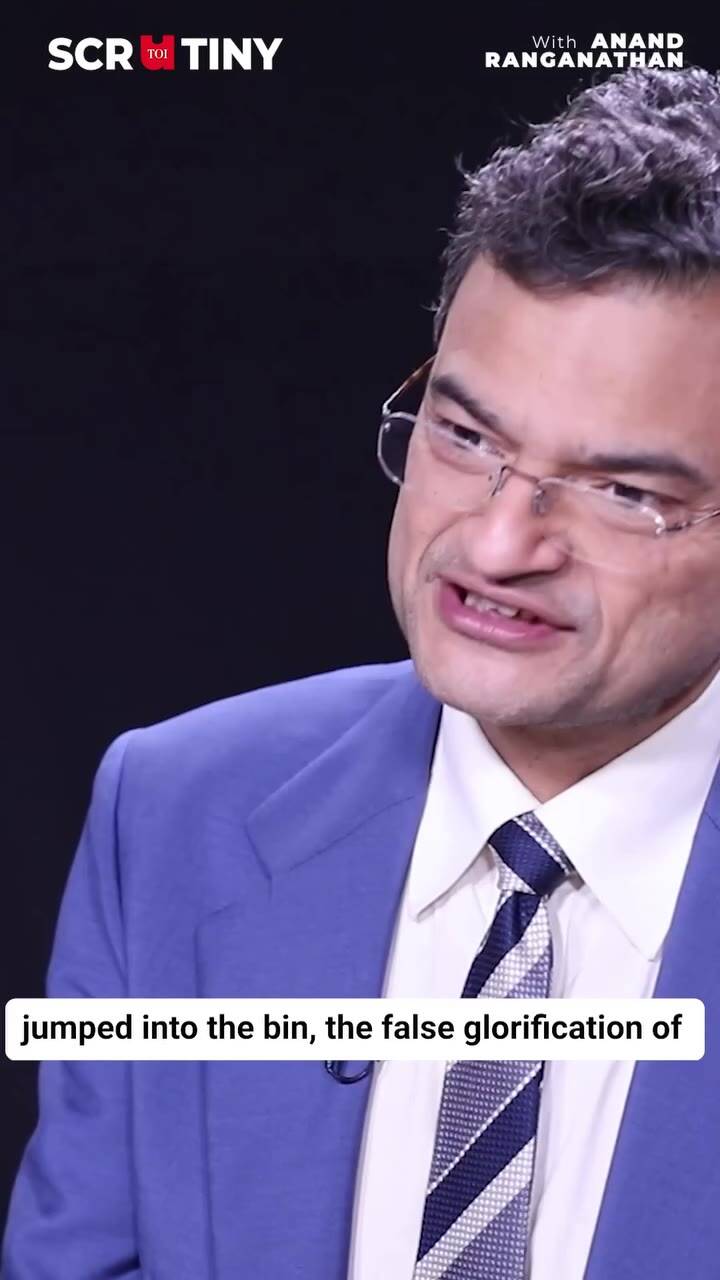
In a scathing rebuke of critics condemning Aditya Dhar’s latest film, prominent commentator Anand Ranganathan has dismissed allegations of propaganda, instead attributing the backlash to the movie’s unflinching portrayal of sensitive geopolitical issues.
Ranganathan’s defense comes amid growing controversy surrounding the film, which has sparked heated debates across social media platforms and film circles. According to Ranganathan, the critical “meltdown” has less to do with propaganda elements and more with the film’s willingness to challenge what he describes as “false narratives around Pakistan, ISI and Aman ki Asha” that have been cultivated over decades.
“Dhurandhar is not propaganda,” Ranganathan asserted, directly addressing detractors who have labeled the film as politically motivated. His comments highlight the increasingly polarized discourse surrounding Indian cinema that tackles politically charged or nationalistic themes.
The film in question appears to take a hardline stance on Indo-Pakistan relations, possibly challenging the “Aman ki Asha” (Hope for Peace) sentiment that has periodically characterized diplomatic and cultural initiatives between the two neighboring countries. This approach has evidently touched a nerve among certain segments of viewers and critics.
In a particularly pointed comparison, Ranganathan contrasted Dhar’s film with the 2019 biopic on Prime Minister Narendra Modi. He characterized the latter as “real propaganda” while noting its poor commercial performance. “The Narendra Modi biopic bombed on the Box Office on day one,” Ranganathan remarked, implying that audiences can distinguish between authentic storytelling and political messaging.
This controversy emerges against a backdrop of evolving Indian cinema, where filmmakers increasingly explore nationalistic themes, historical narratives, and geopolitical tensions. In recent years, several films have addressed Indo-Pakistan relations, terrorism, and national security, often generating significant debate about their accuracy, intent, and impact.
Film industry analysts note that such controversies often boost box office performance, with publicity—whether positive or negative—driving audience curiosity. The film industry has witnessed several instances where political controversies have translated into commercial success, though the relationship between controversy and commercial viability remains complex.
Dhar previously directed the critically acclaimed and commercially successful “Uri: The Surgical Strike,” which depicted India’s 2016 surgical strikes against militant launch pads in Pakistan-administered Kashmir. That film’s success demonstrated significant audience appetite for nationalistic narratives centered on security operations.
The current dispute also reflects broader tensions in India’s cultural sphere, where artistic expression increasingly intersects with political discourse. Critics of nationalistic cinema argue that such films oversimplify complex geopolitical realities and potentially inflame jingoistic sentiments. Defenders, meanwhile, contend that these narratives provide necessary correctives to what they view as previously one-sided portrayals.
Media scholars point out that the intense reactions to films like Dhar’s highlight cinema’s continued relevance as a cultural battleground in contemporary India, where competing visions of national identity and history vie for dominance.
As the controversy continues to unfold, the film itself will likely be subject to intense scrutiny from various quarters, including film critics, political commentators, and audiences. Whether it ultimately succeeds commercially may depend not only on its artistic merits but also on how effectively it navigates the charged political environment in which it has been released.
Ranganathan’s intervention in this debate underscores the complex relationship between art, politics, and commercial cinema in contemporary India—a relationship that continues to evolve as filmmakers tackle increasingly contentious themes and subjects.
Fact Checker
Verify the accuracy of this article using The Disinformation Commission analysis and real-time sources.

20 Comments
Interesting update on Anand Ranganathan Defends ‘Dhurandhar’ Film Against Criticism of Propaganda. Curious how the grades will trend next quarter.
Good point. Watching costs and grades closely.
Good point. Watching costs and grades closely.
I like the balance sheet here—less leverage than peers.
Good point. Watching costs and grades closely.
If AISC keeps dropping, this becomes investable for me.
Exploration results look promising, but permitting will be the key risk.
If AISC keeps dropping, this becomes investable for me.
Good point. Watching costs and grades closely.
I like the balance sheet here—less leverage than peers.
Good point. Watching costs and grades closely.
Good point. Watching costs and grades closely.
Interesting update on Anand Ranganathan Defends ‘Dhurandhar’ Film Against Criticism of Propaganda. Curious how the grades will trend next quarter.
Production mix shifting toward Propaganda might help margins if metals stay firm.
Good point. Watching costs and grades closely.
Interesting update on Anand Ranganathan Defends ‘Dhurandhar’ Film Against Criticism of Propaganda. Curious how the grades will trend next quarter.
I like the balance sheet here—less leverage than peers.
Good point. Watching costs and grades closely.
The cost guidance is better than expected. If they deliver, the stock could rerate.
Good point. Watching costs and grades closely.