


Listen to the article
Indonesia’s government is drafting new legislation to combat disinformation and foreign propaganda, raising concerns about potential restrictions on free speech and access to information.
Coordinating Law, Human Rights, Immigration and Correctional Services Minister Yusril Ihza Mahendra has stated that the bill addresses the spread of misinformation by foreign entities that allegedly undermines national development and interests. According to Yusril, such information is often weaponized as propaganda to discredit Indonesia on the international stage.
The proposed legislation will have a broad scope, extending beyond political matters to encompass economic competition. Yusril emphasized that the bill aims to protect both the public sphere and national interests from various threats, including information manipulation, cross-border influence operations, and foreign propaganda that could potentially harm domestic products and industries.
The initiative stems directly from President Prabowo Subianto’s concerns regarding what he perceives as movements threatening Indonesia’s political stability. Prabowo personally instructed his administration to begin drafting the legislation following nationwide demonstrations between August and September 2025, which were marked by violence that the President characterized as acts of treason and terrorism.
Law Minister Supratman Andi Agtas is currently overseeing the development of the draft bill.
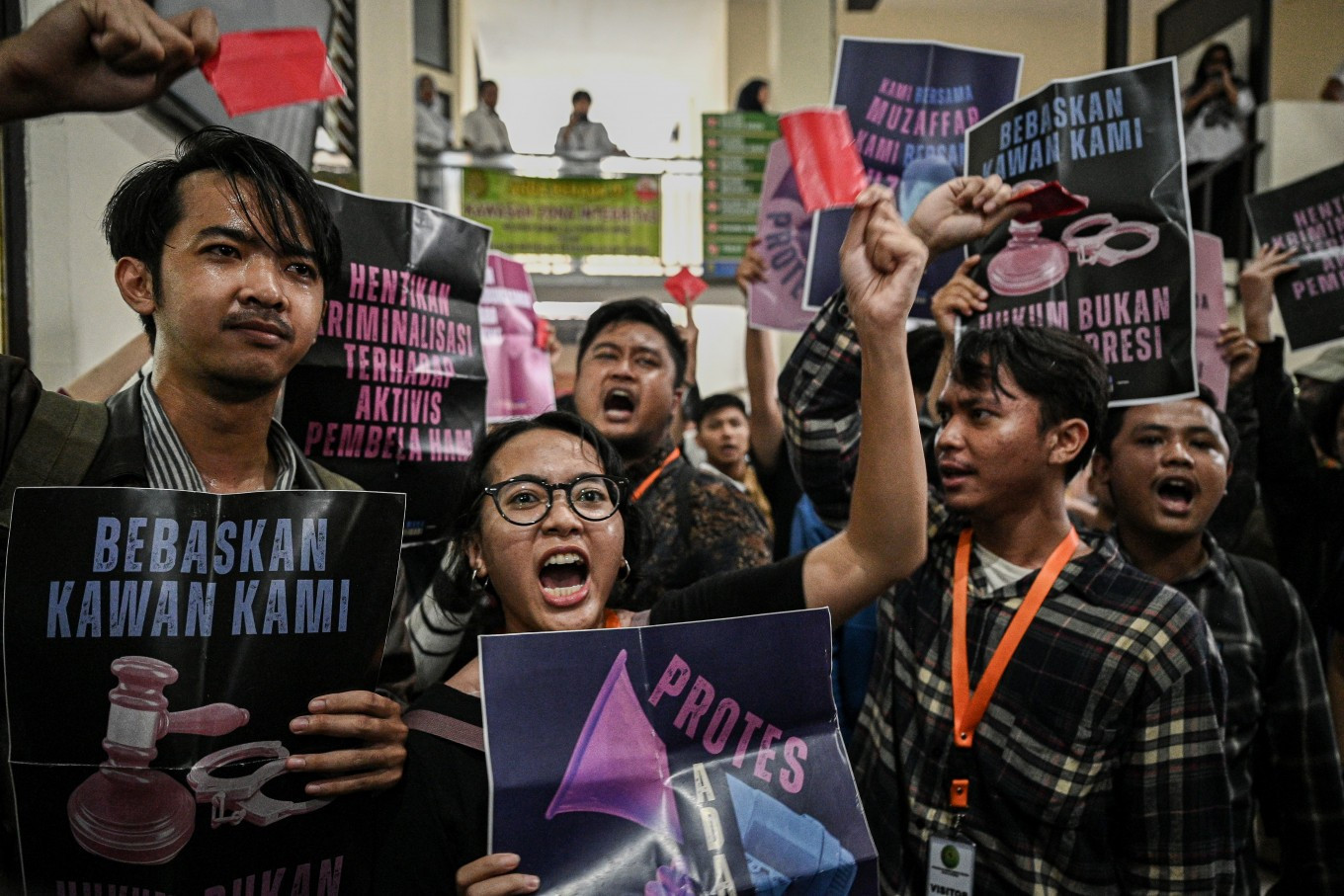
However, the Indonesian Legal Aid Foundation (YLBHI) has voiced strong opposition to the proposed legislation. The organization warns that the bill could evolve into a tool for suppressing criticism and poses a significant threat to democracy, justice, and civil liberties in Indonesia. The YLBHI has observed a concerning pattern among state officials, including President Prabowo himself, who allegedly dismiss public criticism by labeling it as serving foreign interests or as vehicles for foreign propaganda.
This legislative move comes amid increasing global concern about the spread of misinformation and its effects on democratic processes. Many countries have implemented or proposed similar regulations in recent years, though such efforts frequently face criticism from human rights organizations and free speech advocates who fear government overreach.
Indonesia has a complex history with media regulation. The country transitioned to democracy after the fall of President Suharto’s authoritarian regime in 1998, which had strictly controlled media and public discourse. While press freedom has significantly expanded since then, watchdog organizations continue to express concerns about various restrictions on journalists and civil society.
The timing of this bill is particularly significant as Indonesia navigates complex geopolitical relationships in the Indo-Pacific region. As major powers compete for influence, the government appears increasingly concerned about foreign interference in domestic affairs.
Critics argue that rather than creating new restrictive legislation, the government should focus on strengthening media literacy programs, supporting independent journalism, and ensuring existing laws are applied fairly and transparently.
As the draft moves through the legislative process, civil society organizations are calling for extensive public consultation and careful consideration of the potential impact on constitutionally protected freedoms. They emphasize that any regulation addressing disinformation must include precise definitions, strong safeguards against abuse, and independent oversight mechanisms.
The debate surrounding this bill highlights the delicate balance Indonesia faces between protecting national security interests and upholding democratic principles, including freedom of expression and access to information.
Fact Checker
Verify the accuracy of this article using The Disinformation Commission analysis and real-time sources.

11 Comments
This is a complex issue without easy answers. While combating foreign propaganda and protecting domestic industries are understandable goals, the potential impacts on free speech and access to information are concerning. I’ll be following this story closely.
The challenges of regulating online information are complex, with valid interests on both sides. I’m curious to see how Indonesia navigates this issue and what lessons other countries might draw from their approach.
It’s a delicate balance – safeguarding national interests while preserving democratic freedoms. The academic concerns raised are worth taking seriously as the bill moves forward.
Interesting to see how Indonesia is tackling the challenges of online disinformation. The academic critiques highlight the fine line lawmakers must walk between safeguarding national interests and preserving core democratic principles.
This bill raises some valid concerns about the potential impact on free speech and transparency. While combating disinformation is important, we need to ensure measures don’t unduly restrict access to information or unfairly target foreign entities. A balanced approach is critical.
Agreed, the bill’s broad scope could open the door to abuse if not implemented carefully. Protecting national interests is understandable, but not at the expense of democratic principles.
The proposed legislation seems to have a broad and ambitious scope. I hope the lawmakers can strike the right balance between addressing legitimate threats and upholding fundamental freedoms. Careful implementation will be crucial.
This is a complex issue without easy solutions. While the intent to address disinformation is commendable, the academic concerns about democratic backsliding are concerning. I’ll be following this story closely to see how it unfolds.
Combating foreign propaganda and protecting domestic industries are understandable goals, but the broad scope of this bill raises red flags. I hope the lawmakers carefully weigh the potential impacts on free speech and access to information.
This is an interesting development, though the potential for overreach is concerning. I hope the legislators can find an approach that effectively targets harmful disinformation without unduly restricting legitimate discourse and information sharing.
Agreed, the academic critiques highlight important considerations. Striking the right balance will be critical to ensuring this bill upholds democratic principles while addressing genuine threats.