


Listen to the article
The digital battlefield between the United States and Iran has expanded beyond conventional diplomacy into an unprecedented realm of online psychological operations, as both nations deploy increasingly sophisticated digital tools to shape public opinion about their ongoing conflict.
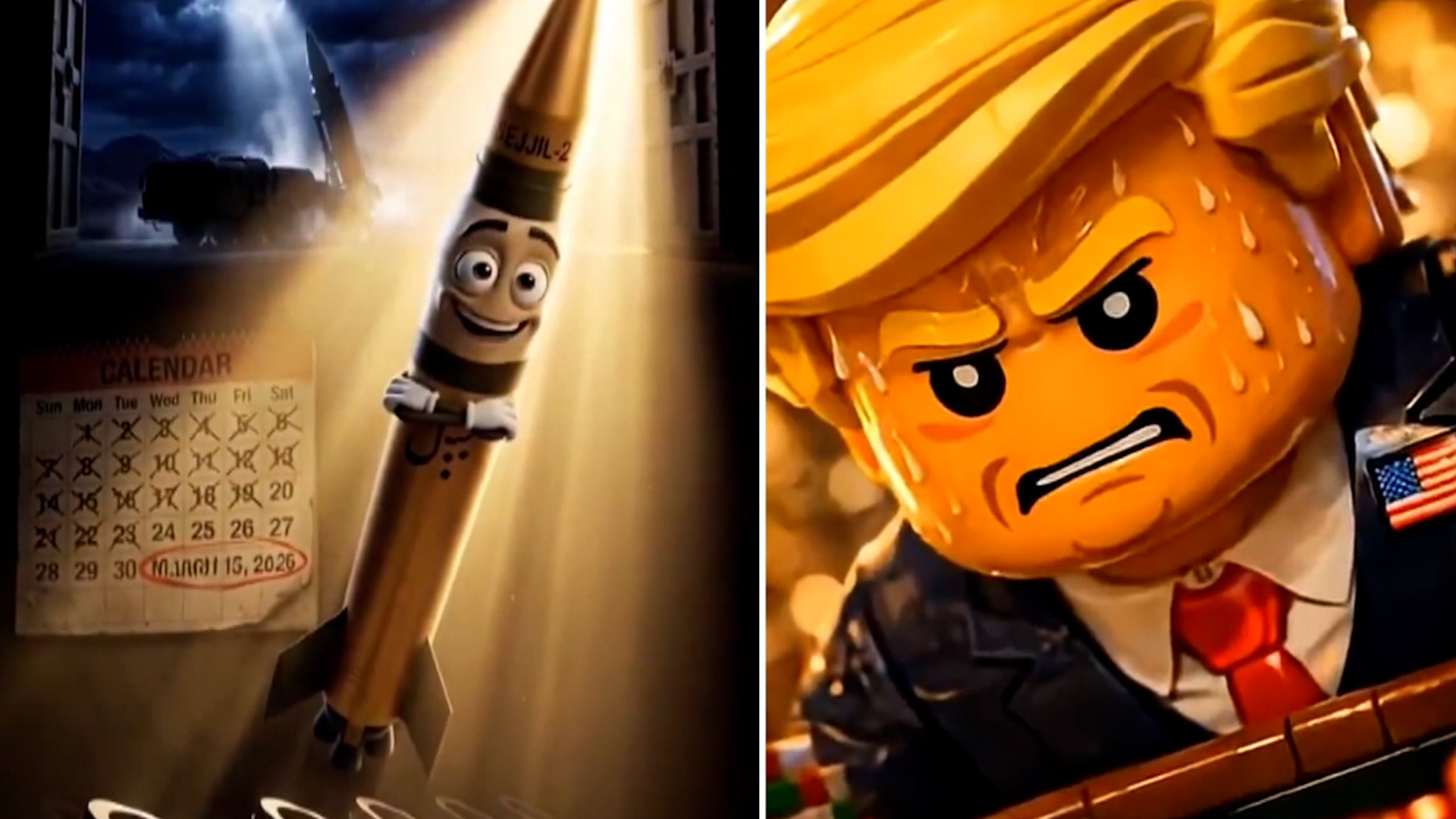
White House officials and Iranian government representatives have escalated their information warfare tactics, exchanging barbs through social media platforms using an arsenal of digitally manipulated content including memes, deepfake videos, and AI-generated imagery. This virtual confrontation represents a significant evolution in how nations conduct propaganda campaigns in the digital age.
The online exchanges have become particularly intense in recent weeks, with both sides attempting to control the narrative surrounding their geopolitical tensions. U.S. government accounts have distributed content portraying Iranian leadership in unflattering contexts, while Iranian state-affiliated media have countered with manipulated imagery suggesting American policy failures.
Intelligence experts warn that this digital propaganda war creates dangerous confusion among global audiences. The sophisticated nature of today’s AI tools makes distinguishing authentic content from fabrications increasingly difficult for average citizens and sometimes even for trained analysts.
“What we’re witnessing is a fundamental shift in information warfare,” explains Dr. Maryam Khalid, a specialist in Middle Eastern digital communications at Georgetown University. “When deepfakes and AI-generated content become weapons of statecraft, the concept of objective truth becomes collateral damage.”
The phenomenon has raised alarms among cybersecurity professionals who point out that unlike traditional propaganda, these new digital manipulations can spread globally within minutes, potentially triggering real-world diplomatic crises or military miscalculations before verification can occur.
The trend is particularly concerning in the volatile Middle East region, where U.S.-Iran relations have deteriorated significantly since the collapse of the nuclear agreement in 2018. The information war intensified following the assassination of Iranian General Qasem Soleimani in 2020 and has found new momentum during recent proxy conflicts involving Iran-backed groups in Syria, Iraq, and Yemen.
Social media platforms have struggled to develop effective policies for handling state-sponsored manipulated media. While companies like Twitter (now X) and Facebook have implemented labeling systems for content from government-affiliated accounts, the rapid evolution of AI technology often outpaces platform governance mechanisms.
The Iranian regime has reportedly established specialized digital units within the Islamic Revolutionary Guard Corps focused on creating and disseminating manipulated media. Similarly, U.S. intelligence agencies have expanded their capabilities in what officials describe as “defensive information operations.”
Media literacy advocates emphasize that this digital propaganda exchange creates significant challenges for global audiences attempting to understand an already complex geopolitical situation. The blurring between authentic and manipulated content undermines public trust in all information sources.
“When citizens can’t distinguish between real events and fabricated ones, democracy itself becomes vulnerable,” notes Samuel Woolley, program director at the Center for Media Engagement at the University of Texas. “The Iran-U.S. information war is just one example of how disinformation threatens not just foreign policy but the foundations of informed public discourse.”
The phenomenon reflects broader global trends, as Russia, China, and other major powers have similarly embraced digital manipulation tactics in recent years. The U.S.-Iran digital confrontation, however, represents a particularly concentrated case study in how traditional adversaries are adapting propaganda techniques to exploit vulnerabilities in modern information ecosystems.
Analysts predict this form of information warfare will likely intensify as AI technologies become more accessible and sophisticated. Some experts advocate for international agreements establishing norms around state use of manipulated media, though skepticism remains about the enforceability of such frameworks.
As the digital propaganda battle continues, citizens worldwide face increasing challenges in navigating a media landscape where the line between reality and fiction grows increasingly indistinct. The U.S.-Iran online information war serves as a stark reminder that in contemporary conflicts, perception management through digital manipulation has become as strategically important as traditional military and diplomatic maneuvers.
Fact Checker
Verify the accuracy of this article using The Disinformation Commission analysis and real-time sources.

13 Comments
The digital propaganda war between the US and Iran is a stark reminder of the power of AI to distort and manipulate public perception. The exchange of barbs and digitally altered content is deeply concerning. I’m curious to see how this situation evolves and what can be done to combat this threat.
The sophisticated nature of the digital propaganda tactics employed by the US and Iran is alarming. The use of AI-generated content to sway global audiences is a troubling development. I wonder what the long-term implications of this virtual confrontation will be for international relations and the spread of misinformation.
This article highlights the alarming trend of AI-driven propaganda in the US-Iran tensions. The use of memes, deepfakes, and AI-generated imagery to shape public opinion is a worrying evolution in information warfare. I hope international efforts can find effective ways to address this issue.
It’s disturbing to see how AI is being deployed for propaganda purposes in the US-Iran tensions. The exchange of barbs and manipulated content on social media platforms is worrying. I’m curious to know what measures can be taken to mitigate the spread of this digital disinformation.
The digital propaganda war between the US and Iran highlights the evolving nature of information warfare in the digital age. The sophisticated use of AI-powered tools to create and disseminate manipulated content is a troubling development. I wonder what the long-term implications of this virtual confrontation will be for global audiences.
The digital battlefield between the US and Iran highlights the challenges of combating misinformation in the modern age. Both sides leveraging AI-generated content to shape public opinion is a troubling development. I wonder what the long-term implications will be.
This virtual confrontation between the US and Iran demonstrates the evolving nature of propaganda in the digital era. The use of memes, deepfakes, and AI-generated imagery to sway public sentiment is alarming. I hope international efforts can curb this dangerous trend.
The transformation of propaganda through AI-powered tools in the US-Iran conflict is a concerning development. The ability to create and disseminate digitally altered content at scale is a troubling challenge for global audiences to navigate. I wonder what the long-term impacts of this digital war will be.
This article underscores the worrying transformation of propaganda tactics in the US-Iran conflict. The ability of both nations to leverage AI-generated content, deepfakes, and memes to sway public opinion is deeply concerning. I hope international efforts can find effective ways to combat this growing threat to global information integrity.
This article highlights the concerning evolution of propaganda tactics in the digital age. The ability of the US and Iran to leverage AI-powered tools to create and disseminate manipulated content is deeply troubling. I’m curious to see what measures can be taken to address this growing threat to global information integrity.
Fascinating how AI is being weaponized for propaganda in the US-Iran conflict. It’s concerning how digitally manipulated content can distort public perception and sow confusion globally. Curious to see how this digital propaganda war escalates.
The digital propaganda war between the US and Iran is a sobering example of how AI can be weaponized to distort public perception. The exchange of barbs and digitally altered content is a worrying development. I hope international efforts can find effective ways to combat this threat to global information integrity.
This article sheds light on the alarming transformation of propaganda tactics in the US-Iran conflict. The use of AI-generated content, deepfakes, and memes to sway public sentiment is deeply concerning. I’m curious to see what measures can be taken to address this growing challenge to global information integrity.