


Listen to the article
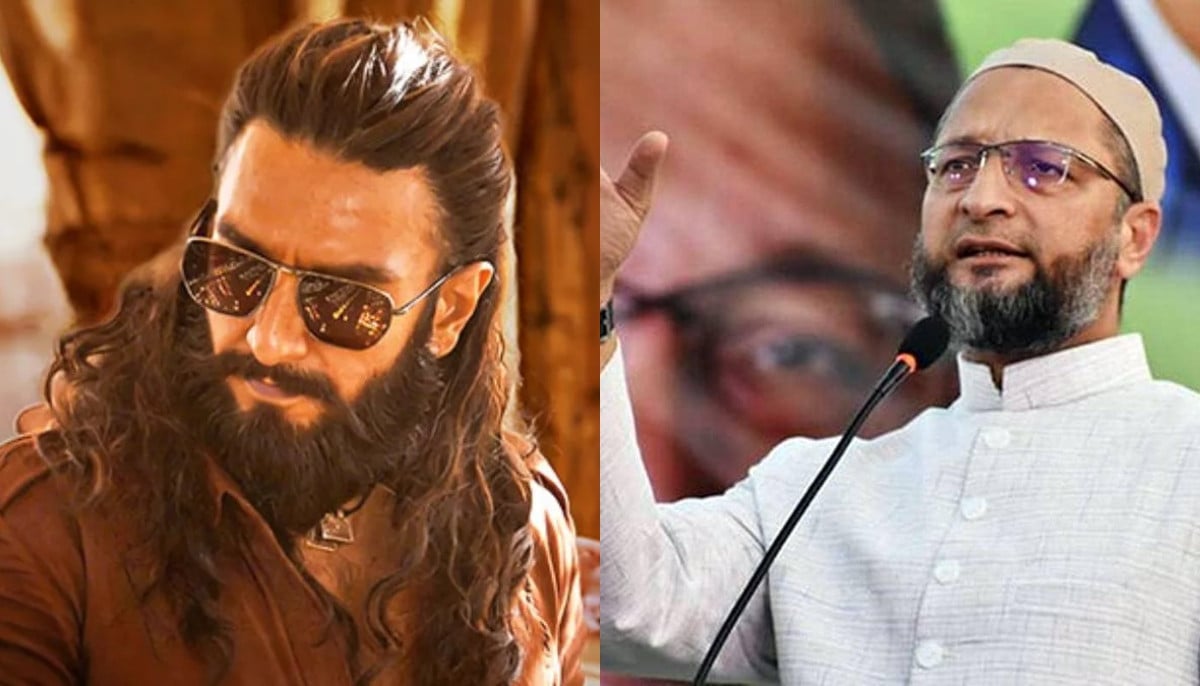
In a growing controversy surrounding the film “Dhurandhar 2,” the All India Majlis-e-Ittehadul Muslimeen (AIMIM) has called for authorities to ban what it describes as “propaganda films” that portray Muslims in a negative light.
Waris Pathan, AIMIM spokesperson, condemned the filmmakers as “cheap people” who use their platform to spread misinformation and foment hatred across India. The film has already drawn criticism from prominent entertainment industry figures, including actors Ramya Spandana and Prakash Raj, as well as popular YouTuber Dhruv Rathee.
Speaking to ANI in Mumbai, Pathan revealed he refuses to watch what he characterized as “senseless, propaganda films” like “Dhurandhar 2,” claiming they propagate falsehoods rather than truth.
“There are some cheap people who spread hatred and lies just to make a few rupees. They don’t know how to make anything else,” Pathan stated. “They are using real-world examples like demonetization even though everybody knows the truth about how people suffered standing in lines.”
AIMIM’s criticism comes amid a broader debate in India’s film industry about the representation of religious and ethnic minorities in commercial cinema. Pathan specifically accused “Dhurandhar 2” of profiting by depicting Muslims as antagonists, a trend that has become increasingly controversial in recent years.
The controversy highlights tensions between artistic freedom and social responsibility in Indian cinema, particularly as films addressing political and religious themes gain commercial success. Industry analysts note that nationalist-themed films have performed well at the box office in recent years, though critics argue some cross the line into propaganda.
“Make films for entertainment or to show real history. Make films to make people happy, not to spread hatred,” Pathan urged. His call for government intervention—specifically requesting authorities to ban such productions—raises questions about censorship and free speech in India’s entertainment sector.
The AIMIM spokesperson suggested filmmakers explore alternative subjects: “Make a film on the Epstein Files, or on other topics. If you’ve made it against Pakistan, show it in Pakistan then. Why are you causing issues here?”
This controversy emerges as India’s film industry continues to navigate a complex political landscape where movies increasingly intersect with national politics and religious sentiments. Major film releases have become political events in themselves, with various groups scrutinizing content for perceived biases or offensive material.
While “Dhurandhar 2” appears to be commercially successful, the backlash represents growing concerns about how certain narratives might affect communal harmony in India’s diverse society. Film industry observers note that controversies often boost box office performance, leaving an uncomfortable question about whether such debates ultimately serve the financial interests of the very films being criticized.
The Central Board of Film Certification (CBFC), India’s film certification body, has not yet commented on AIMIM’s demand. The board typically reviews content for compliance with guidelines regarding depictions of violence, sexuality, and sensitive religious or political matters.
As this situation develops, it underscores the complex relationship between entertainment, politics, and religious identity in contemporary India, where cinema remains not just a form of entertainment but also a powerful medium for shaping public discourse and national narratives.
Fact Checker
Verify the accuracy of this article using The Disinformation Commission analysis and real-time sources.

14 Comments
Banning films is a drastic measure that can backfire and amplify controversy. While the AIMIM’s concerns about propaganda and negative stereotyping are valid, a more constructive approach would be to engage with filmmakers and advocate for nuanced, balanced portrayals of minority groups.
I agree. Censorship often does more harm than good. Encouraging responsible, accurate representation through open dialogue is a better solution in the long run.
This is a complex issue without easy answers. I’m interested to learn more about the specific claims of propaganda and negative depictions of Muslims. Open dialogue and engagement, rather than bans, seems like a wiser path forward.
Well said. Banning films often backfires and entrenches positions. A thoughtful, nuanced discussion focused on improving representation would be a more productive approach.
Banning films is a heavy-handed approach that can backfire. While the concerns about propaganda and negative stereotyping are valid, a more open and constructive dialogue with filmmakers would be a better way to address these issues.
I agree. Censorship is a slippery slope, and open debate is usually a healthier way to handle controversial content. Thoughtful engagement is preferable to outright bans.
While I understand the AIMIM’s concerns about potential propaganda, outright banning films is a dangerous precedent. Perhaps a more constructive approach would be to engage with filmmakers and advocate for more nuanced, balanced portrayals of minority groups.
I agree. Censorship is a slippery slope, even for controversial content. Encouraging responsible, accurate representation is a better long-term solution.
Seems like a complex issue with valid concerns on both sides. I’m curious to learn more about the specific criticisms of this film and how it depicts Muslims. Open and respectful debate is important when dealing with sensitive topics like this.
You raise a good point. Banning films often backfires and fans the flames of controversy. A measured, fact-based discussion would be a wiser path forward.
This seems like a complex issue without easy solutions. While the AIMIM’s concerns about propaganda and negative portrayals are understandable, banning films is often counterproductive. A more nuanced approach focused on encouraging responsible, accurate representation could be more constructive.
Well said. Censorship rarely solves these types of problems in the long run. Thoughtful dialogue and engagement with filmmakers is usually a wiser path forward.
Censorship is a slippery slope, even for controversial films. While the portrayal of minorities is concerning, banning movies is not the answer. A more open dialogue about representation and accuracy would be a better approach.
I agree. Rather than banning, filmmakers should be encouraged to depict minority groups more responsibly and authentically.