


Listen to the article
In a concerning development, extremist organizations across the ideological spectrum are harnessing artificial intelligence technology to amplify their propaganda efforts, security experts warn. According to recent findings reported by The Guardian, militant groups from neo-Nazi organizations to the Islamic State are utilizing AI voice-cloning capabilities to dramatically expand their digital footprint.
The sophisticated technology allows extremists to recreate speeches from both historical and contemporary figures, translating them into multiple languages while maintaining their inflammatory messaging. This technological leap has created unprecedented challenges for counterterrorism and content moderation efforts worldwide.
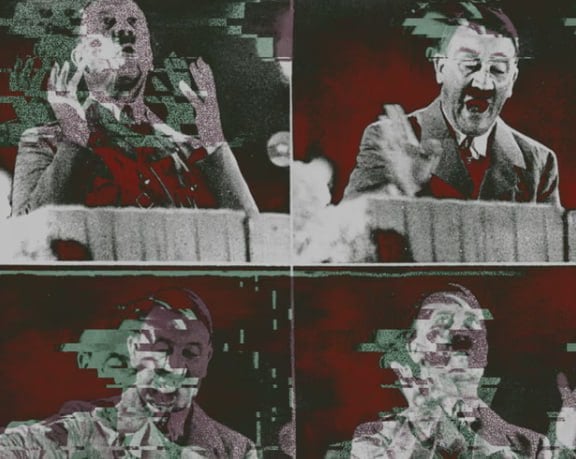
Researchers from the Global Network on Extremism and Technology (GNet) have documented far-right creators feeding archival speeches from the Third Reich into AI services to generate fluent English-language versions of Adolf Hitler’s rhetoric. The technology effectively removes the language barrier that previously limited the reach of such historical propaganda materials.
In a parallel development, neo-Nazi influencers have deployed similar voice-cloning tools to produce high-quality audiobook versions of banned insurgency manuals. James Mason’s “Siege,” a text that has inspired numerous violent extremist movements, has reportedly been converted into audio format using these AI systems, making the content more accessible and engaging for potential recruits.
“What we’re seeing is a technological evolution that allows extremist content to cross language barriers while maintaining its ideological intensity,” said Lucas Webber of Tech Against Terrorism, a UN-supported initiative that works with the global technology industry to counter terrorist use of the internet.
The Islamic State has similarly embraced this technological shift. Operating through encrypted networks, IS media outlets have begun transforming their text-based propaganda materials into polished audio narratives available in multiple languages. Security analysts note that this automation eliminates the need for human translators, enabling a much more rapid global dissemination of extremist messaging.
This AI-powered approach represents a significant evolution in terrorist propaganda techniques. Traditionally, extremist groups have relied on human translators and voice actors to create multilingual content, a process that was time-consuming and resource-intensive. The new AI capabilities effectively remove these constraints.
The development comes amid broader concerns about the potential misuse of generative AI technologies. While major AI developers have implemented safeguards to prevent their tools from producing harmful content, extremist groups have found ways to circumvent these protections or utilize less regulated services.
Counterterrorism experts express particular concern about the ability of these AI tools to recreate the voices of charismatic extremist leaders who may have been killed or imprisoned, potentially extending their influence beyond their actual operational capabilities.
The phenomenon highlights the challenges facing technology companies and security agencies as AI becomes more sophisticated and accessible. Content moderation systems designed to flag and remove extremist material may struggle to keep pace with the volume and variety of AI-generated propaganda.
“We’re entering an era where the barriers to producing professional-quality extremist content are lower than ever,” noted a senior counterterrorism official who requested anonymity. “What previously required a team of media specialists can now be accomplished by a single individual with access to the right AI tools.”
Experts are calling for enhanced collaboration between technology companies, government agencies, and civil society organizations to develop more effective strategies for identifying and containing AI-generated extremist content before it reaches vulnerable audiences.
As AI technology continues to evolve, security professionals warn that the tools available to extremist movements will likely become more sophisticated, underscoring the need for proactive approaches to counter digital radicalization efforts across the ideological spectrum.
Fact Checker
Verify the accuracy of this article using The Disinformation Commission analysis and real-time sources.

18 Comments
The removal of language barriers through AI voice cloning is particularly alarming, as it allows extremist groups to reach a much wider audience with their inflammatory messaging. This calls for enhanced content moderation and counterterrorism efforts.
Absolutely. The global nature of this threat requires a coordinated international response to combat the spread of extremist propaganda through these advanced technological means.
While the use of AI for extremist propaganda is deeply disturbing, I’m curious to learn more about the specific technological capabilities being employed. What are the key advancements that are enabling this troubling trend?
That’s a good question. Understanding the technical details behind the AI voice cloning technology would help us better assess the risks and develop more effective countermeasures.
This is a deeply concerning development that highlights the importance of robust cybersecurity and content moderation efforts. Extremist groups must not be allowed to leverage advanced technologies to amplify their propaganda and reach new audiences.
Absolutely. Policymakers, tech companies, and civil society must work together to stay ahead of these evolving threats and protect our communities from the dangers of AI-enabled extremist propaganda.
This news is deeply disturbing, but not entirely surprising given the rapid advancements in AI technology. The challenge now is to find effective ways to mitigate the risks while preserving the beneficial applications of these tools.
You make a good point. Any regulatory or content moderation efforts must be carefully balanced to address the threat of extremist propaganda without unduly restricting legitimate uses of AI voice cloning technology.
The use of AI voice cloning by extremist groups is a stark reminder of the dual-edged nature of technological progress. While these capabilities can be used for positive purposes, the potential for misuse is clear and must be taken seriously.
Agreed. We need to ensure that safeguards and ethical guidelines are in place to prevent the exploitation of these powerful AI tools by those seeking to spread harm and division.
This is a concerning development, as the use of AI technology to amplify extremist propaganda is deeply troubling. We must be vigilant in monitoring and countering these efforts to prevent the spread of harmful misinformation and rhetoric.
Agreed. The ability to recreate speeches and messaging from historical figures is especially worrying, as it can make such propaganda seem more legitimate and authoritative.
The ability of extremist groups to leverage AI voice cloning to spread their hateful rhetoric is alarming. We must remain vigilant and work tirelessly to counter these efforts and protect vulnerable communities from the harm they cause.
Absolutely. Safeguarding our societies from the misuse of this technology should be a top priority for policymakers, tech companies, and civil society organizations.
This is a chilling development that highlights the need for robust regulations and oversight around the use of AI technology. We must ensure these powerful tools are not exploited by those seeking to sow division and hatred.
I share your concern. The potential for extremist groups to abuse AI voice cloning is deeply worrying and requires immediate attention from policymakers and tech companies.
The potential for AI voice cloning to be used as a tool for extremist propaganda is truly alarming. We must remain vigilant and take proactive steps to mitigate these risks, while also exploring ways to harness the technology for positive societal impact.
Well said. Balancing the risks and benefits of AI voice cloning will require a nuanced, multifaceted approach that brings together diverse stakeholders and perspectives.