


Listen to the article
Filmmaker Sandeep Reddy Vanga Sparks Controversy with ‘Dhurandhar 2’ Review
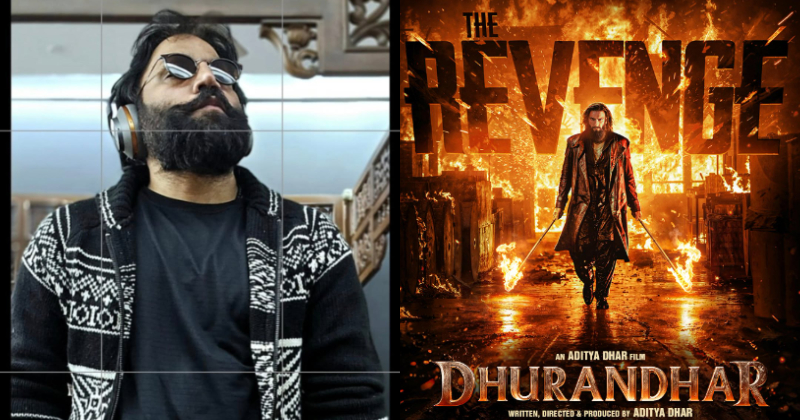
Acclaimed director Sandeep Reddy Vanga has ignited a social media firestorm after sharing his provocative review of “Dhurandhar: The Revenge,” the Ranveer Singh-starring film that has been at the center of significant controversy since its release.
The controversy began when photos circulated online showing Vanga and superstar Prabhas watching the film at Allu Arjun’s Allu Cinemas. Shortly afterward, Vanga took to Twitter to share his unfiltered thoughts about the film and its critics.
In his post, Vanga directly challenged those who have labeled “Dhurandhar: The Revenge” as propaganda. “Writers & actors built careers on propaganda, and the industry stayed quiet like cats. Now the same clan mock Dhurandhar. You don’t get to call yourself liberal if your first instinct is to Mock,” he wrote, adding, “Don’t know when truth started getting labeled as propaganda… strange times.”
The “Animal” director continued with praise for the film’s creators, addressing director Aditya Dhar and lead actor Ranveer Singh directly: “I want to tell @AdityaDharFilms & @RanveerOfficial yeh kaala drishti aise nahi jaayega… Muthi bhar ke laal mirch se kaam nahi chalega…. poora khet jalana padega,” using a Hindi metaphor suggesting stronger action is needed. He concluded by calling “Dhurandhar 2: The Revenge” an “outstanding film.”
Aditya Dhar responded warmly to Vanga’s comments, expressing appreciation for the director’s willingness to stand his ground. “I genuinely love the way you stand your ground and give it back when it matters. There’s a real honesty and belief in that and it’s something I truly respect,” Dhar wrote. He added that he admires Vanga’s conviction in backing his cinema “without any doubt or noise,” and sent good wishes for Vanga’s upcoming project “Spirit,” which will star Prabhas.
However, the exchange triggered an immediate backlash from social media users who took issue with Vanga’s characterization of the film. Critics accused the director of hypocrisy, with one user writing, “Irony died a thousand deaths seeing the ‘Alpha’ of toxic cinema lecture us on propaganda. You talk about cats staying quiet, but your entire filmography is a loud, vibrating siren for insecurity.”
Others questioned the political implications of Vanga’s stance. One commenter wrote, “So this b-grade director wants to say RBI data was fake and the Pulwama attack never happened according to his film’s so-called truth.” Some suggested that Vanga was strategically aligning himself with certain political viewpoints to gain favor in Hindi-speaking markets.
This controversy comes at a significant moment for both filmmakers. Vanga’s previous film “Animal,” starring Ranbir Kapoor, was both a commercial blockbuster and a lightning rod for criticism regarding its depiction of masculinity and violence. Meanwhile, “Dhurandhar: The Revenge” has been scrutinized for its political undertones during a particularly sensitive time in Indian politics.
Industry observers note that this public exchange highlights the increasingly polarized discourse surrounding Indian cinema, where films are often evaluated through political lenses rather than purely artistic ones. The film industry has become a battleground for competing ideologies, with directors and actors frequently pulled into controversies that extend far beyond their creative work.
As of this reporting, Prabhas, who watched the film alongside Vanga, has yet to share his thoughts on “Dhurandhar: The Revenge.” Similarly, Ranveer Singh has not responded to Vanga’s controversial review of the film in which he stars.
The incident underscores the evolving relationship between Bollywood, social media, and political discourse in contemporary India, where the lines between entertainment, artistic expression, and political messaging continue to blur.
Fact Checker
Verify the accuracy of this article using The Disinformation Commission analysis and real-time sources.

12 Comments
Interesting perspective from Sandeep Reddy Vanga. It’s always good to hear different views on controversial films, even if they are provocative. I’m curious to learn more about the accusations of propaganda around this movie.
I agree, open dialogue is important even for divisive topics. It will be interesting to see how the director Aditya Dhar responds to Vanga’s comments.
Sandeep Reddy Vanga’s comments on the ‘Dhurandhar’ film bring up important questions about artistic freedom and social responsibility. It will be enlightening to hear Aditya Dhar’s perspective on these complex matters.
Vanga’s defense of ‘Dhurandhar’ against accusations of propaganda is a nuanced take. It will be insightful to see how Aditya Dhar addresses these issues in his response.
Sandeep Reddy Vanga’s defense of ‘Dhurandhar’ raises valid questions about the line between propaganda and artistic expression. I’m curious to learn more about the specific criticisms leveled against the film.
Absolutely. Exploring these issues through constructive dialogue, rather than dismissal, can lead to greater insights and perhaps even common ground.
The ‘Dhurandhar’ controversy highlights the ongoing debate around the role of cinema in shaping narratives. Aditya Dhar’s response will be interesting to see, as he navigates this sensitive issue.
The ‘Dhurandhar’ debate raises thought-provoking points about the line between propaganda and creative expression. I’m curious to learn more about the specific concerns raised by the film’s critics.
This debate over ‘Dhurandhar’ highlights the complexities around what constitutes propaganda versus simply presenting a particular viewpoint. It will be insightful to hear Aditya Dhar’s response.
Agreed. These types of discussions are important for fostering a more nuanced understanding of these issues in the film industry and beyond.
The ‘Dhurandhar’ film seems to have struck a nerve. While creative license is important, I can understand concerns about potential propaganda. Reasonable people can disagree on where that line is drawn.
You raise a fair point. Navigating the balance between artistic freedom and responsible storytelling is an ongoing challenge, especially for films with sensitive subject matter.