


Listen to the article
URI Director Defends Film Against Propaganda Accusations
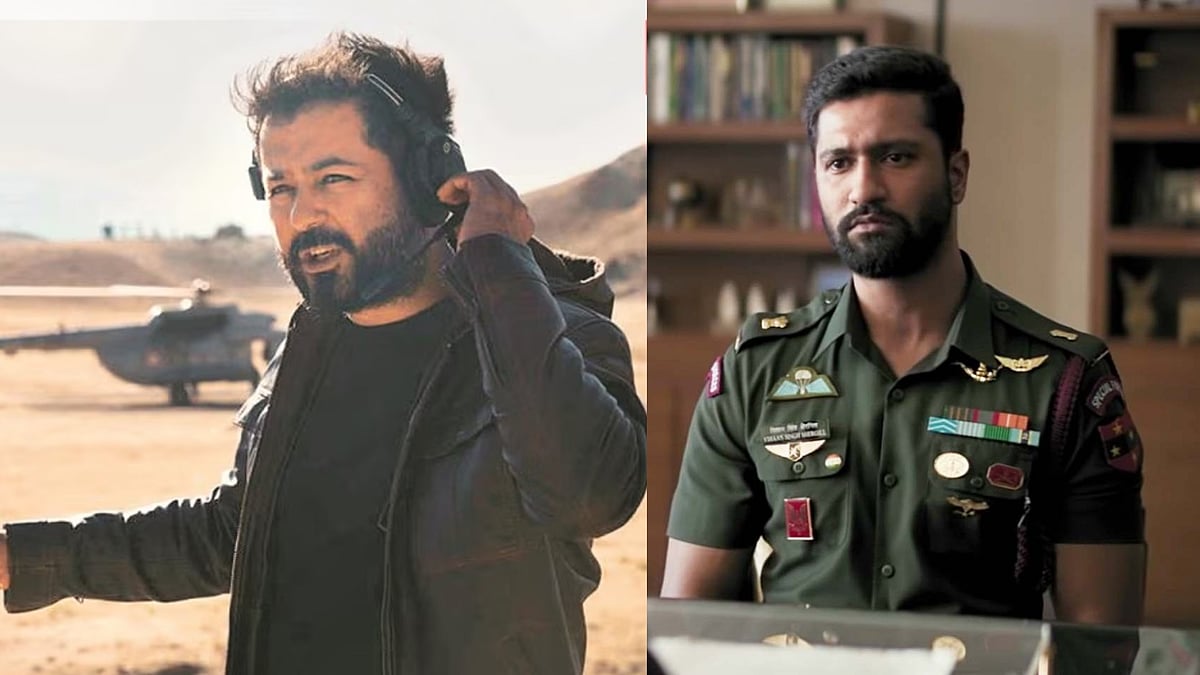
Film director Aditya Dhar has strongly defended his 2019 military action film “Uri: The Surgical Strike” against persistent allegations that it served as political propaganda ahead of India’s General Elections that same year.
The film, which stars Vicky Kaushal in the lead role, depicts the Indian Army’s retaliatory surgical strikes across the Line of Control following the 2016 Uri terrorist attack in Kashmir that claimed the lives of 19 Indian soldiers. Since its release, some critics have questioned the timing of the film’s debut, which coincided with the run-up to the national elections where national security became a central campaign issue.
In a recent statement, Dhar explained that the release date was determined purely by economic and industry considerations rather than political motivations. “The producers decided the release date purely with the economical factors of the industry in mind,” Dhar said, pushing back against insinuations of political coordination.
The director maintained that viewers who actually watched the film would recognize that it presented a “balanced perspective” on terrorism and the complex political realities surrounding cross-border conflicts in the region. He emphasized that the film was a chronological retelling of actual events that unfolded over approximately ten days following the Uri attack.
“If the decision was taken by the current government, how I negate or bypass that? I have to show it,” Dhar said, referring to the Modi administration’s authorization of the surgical strikes. The director suggested that accusations of propaganda might stem from pre-existing biases among certain viewers rather than the film’s content itself.
“Uri” became one of 2019’s biggest commercial successes in Indian cinema, grossing over ₹340 crore worldwide. The film also coined the popular phrase “How’s the josh?” which subsequently entered India’s cultural lexicon and was even quoted by Prime Minister Narendra Modi at several public events.
The debate around “Uri” reflects broader conversations in Indian cinema about patriotic films and their relationship to politics. In recent years, several Bollywood productions focusing on nationalism, military achievements, and historical events have faced similar scrutiny regarding their potential political messaging.
Film analysts note that the line between historical dramatization and political messaging has increasingly blurred in Indian cinema. The controversy surrounding “Uri” is part of a larger pattern where films depicting national security operations or historical events are examined for potential political undertones, especially when released near election periods.
The film industry in India has long maintained that release dates are primarily determined by commercial considerations, including festival seasons, competing releases, and market conditions rather than political calendars. However, critics argue that the timing of nationalist-themed films during politically sensitive periods deserves critical examination.
Despite the controversy, “Uri” was widely praised for its technical execution, action sequences, and performances, particularly Kaushal’s portrayal of Major Vihaan Singh Shergill, which earned him a National Film Award.
As Indian cinema continues to explore patriotic and military themes, the debate around “Uri” highlights the ongoing tension between artistic expression, historical representation, and the political implications of popular entertainment in the world’s largest democracy.
Fact Checker
Verify the accuracy of this article using The Disinformation Commission analysis and real-time sources.

7 Comments
I’m curious to hear more about the ‘balanced perspective’ the director claims the film presents. Depicting military operations can be a delicate matter, so it will be interesting to see how the film handled the complexities around terrorism and the Kashmir conflict.
That’s a good point. Exploring such a sensitive geopolitical issue through a film requires a nuanced approach. I look forward to hearing more analysis from viewers and critics on how effectively the film navigated those challenges.
It’s understandable that a film about a military operation would draw accusations of propaganda, especially given the political climate at the time. But the director’s explanation about economic factors seems plausible. Ultimately, I think audiences should judge the film on its own merits.
This is a complex issue without easy answers. I appreciate the director’s commitment to presenting a balanced perspective, but the timing of the film’s release will inevitably raise questions. Hopefully a thoughtful analysis of the final product can move the discussion forward in a constructive way.
While the timing of the film’s release may have been suspicious, I’m glad the director is standing by his creative vision and denying any political motivations. Audiences should be able to engage with stories about military actions without assuming propaganda.
Interesting perspective from the director. It’s understandable that the timing of the film’s release would raise some eyebrows, but his explanation about economic factors seems plausible. Balancing different viewpoints on such sensitive issues is always challenging.
I agree, the director’s response appears reasonable. Separating art from politics is rarely straightforward, but focusing the film on the military operation itself rather than electoral politics seems appropriate.