


Listen to the article
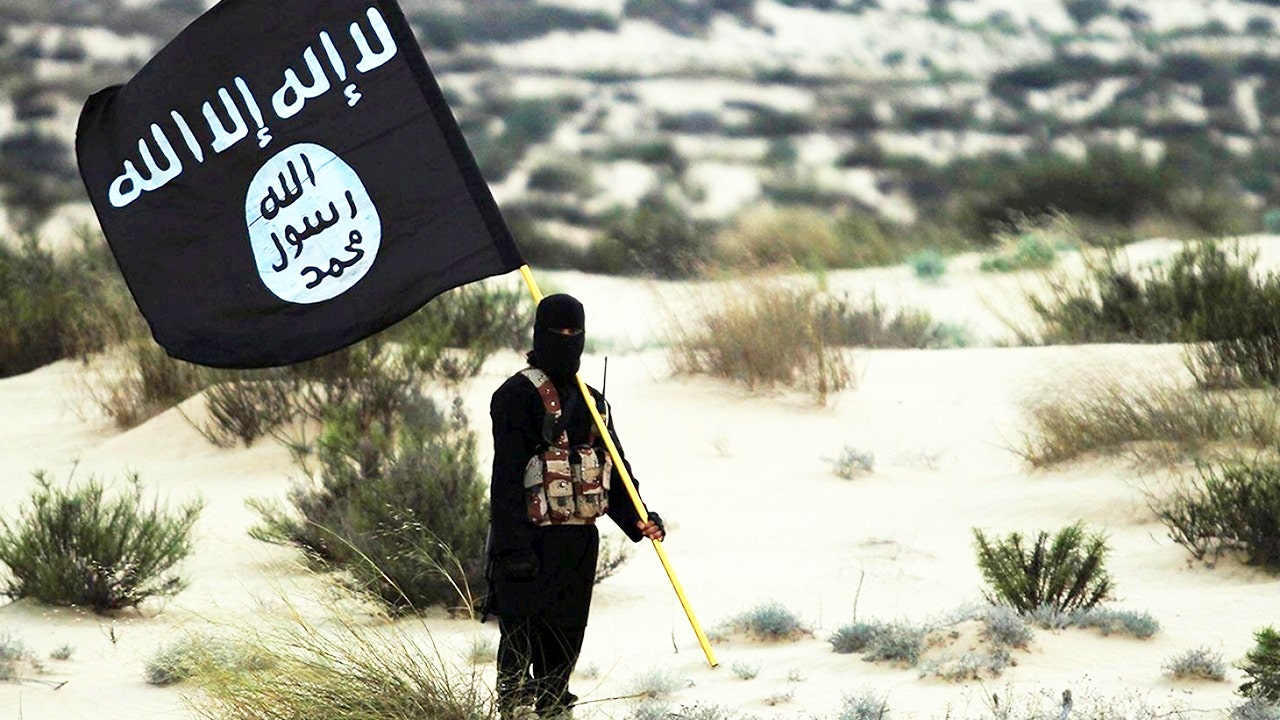
Fifteen people were arrested in Europe on Tuesday for allegedly spreading Islamic State terrorist group propaganda on TikTok and attempting to incite terrorist attacks, according to Dutch prosecutors.
The suspects, with ages ranging from 16 to 53, were taken into custody during coordinated raids across the Netherlands. Thirteen of those arrested were Syrian nationals and four held Dutch nationality, suggesting some individuals may have dual citizenship, Reuters reported.
Dutch authorities stated that the investigation was triggered by a TikTok account distributing large amounts of ISIS propaganda with Dutch subtitles. The account allegedly aimed not only to spread terrorist ideology but also to persuade viewers to carry out attacks.
The arrests highlight the evolving tactics of terrorist organizations, which increasingly use popular social media platforms to disseminate propaganda and recruitment materials. TikTok, with its enormous global reach and predominantly young user base, has become a target for extremist content despite the platform’s content moderation efforts. TikTok did not immediately respond to requests for comment on the arrests.
This development comes amid ongoing international efforts to combat ISIS influence both online and on the ground. The terrorist organization, while significantly diminished from its territorial peak in 2014-2015, continues to operate through decentralized cells and online recruitment efforts across multiple regions.
Social media companies have faced growing pressure to identify and remove extremist content quickly, though the task remains challenging as groups adapt their messaging and distribution methods to avoid detection. European nations have particularly strengthened their counter-terrorism laws regarding online extremist content in recent years.
The Dutch arrests coincide with continued U.S. military operations against ISIS in Syria. Last Wednesday, U.S. Central Command (CENTCOM) announced it had carried out five strikes against “multiple” Islamic State targets as part of a joint military effort to prevent the terrorist network’s resurgence.
According to CENTCOM, from January 27 to February 2, its forces “located and destroyed an ISIS communication site, critical logistics node, and weapons storage facilities with 50 precision munitions delivered by fixed-wing, rotary-wing, and unmanned aircraft.”
Admiral Brad Cooper, CENTCOM commander, emphasized the strategic importance of these operations, stating, “Striking these targets demonstrates our continued focus and resolve for preventing an ISIS resurgence in Syria.”
These military operations, known as Operation Hawkeye Strike, were launched in response to a December 13, 2025, ISIS attack in Palmyra, Syria, which killed two U.S. service members and an American interpreter. The ambush highlighted the persistent threat ISIS continues to pose in the region despite territorial losses.
The combined developments—European arrests targeting online propaganda and U.S. military strikes against physical infrastructure—illustrate the multi-faceted approach security forces are taking to counter ISIS influence across multiple domains.
Counter-terrorism experts note that while military operations remain crucial in dismantling ISIS’s operational capabilities, addressing online radicalization represents an equally important front in preventing the group from replenishing its ranks with new recruits from Europe and elsewhere.
The arrests in the Netherlands serve as a reminder that despite diminished territorial control, ISIS continues to pose security threats through its ability to inspire and potentially direct attacks through online channels, requiring ongoing vigilance from law enforcement, intelligence agencies, and social media platforms alike.
Fact Checker
Verify the accuracy of this article using The Disinformation Commission analysis and real-time sources.

10 Comments
This highlights the evolving tactics of terrorist organizations and the need for continued vigilance and collaboration between social media platforms, law enforcement, and the public to combat the spread of extremist propaganda online.
I agree. Proactive measures and effective content moderation are essential to prevent the exploitation of social media for terrorist purposes.
This incident underscores the need for a comprehensive approach to address the spread of extremist content online, involving cooperation between technology companies, law enforcement, and policymakers.
Precisely. A multi-stakeholder effort is essential to effectively combat the exploitation of social media for terrorist purposes.
The arrests are a reminder of the ongoing threat posed by terrorist groups and the importance of robust measures to counter the dissemination of extremist propaganda on social media platforms.
This is a concerning development, as the spread of extremist propaganda on social media platforms remains a serious challenge. Monitoring and removing such content is crucial to prevent radicalization and potential attacks.
I agree. Social media companies need to strengthen their content moderation efforts and work closely with authorities to address this issue effectively.
The use of popular social media platforms like TikTok by terrorist groups to disseminate propaganda is troubling. Increased vigilance and coordination between platforms, law enforcement, and the public is needed to counter these tactics.
Absolutely. Proactive measures are essential to prevent the exploitation of these platforms for extremist purposes and protect vulnerable users, especially young people.
While the arrests are a positive step, the underlying issue of terrorist groups exploiting social media to spread their ideology and recruit new members remains a persistent challenge. Sustained efforts to address this problem are crucial.