


Listen to the article
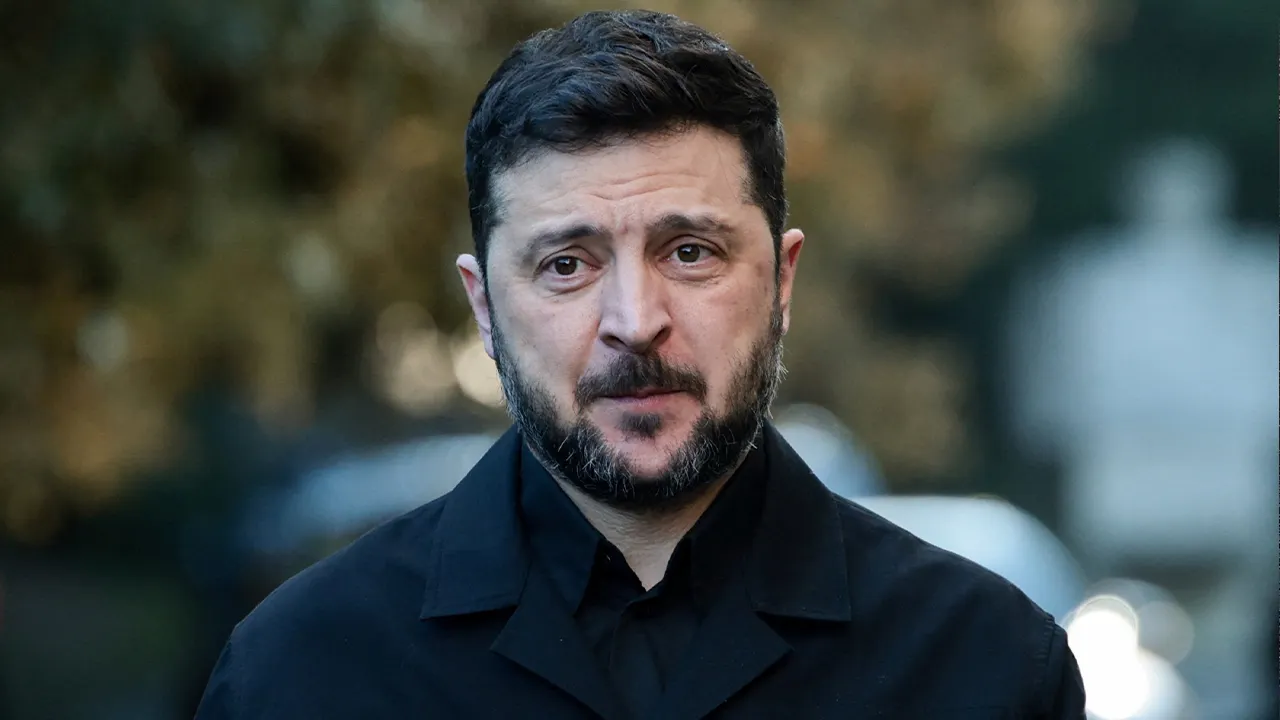
Ukrainian President Volodymyr Zelenskyy announced Tuesday that Ukraine is prepared to present details of a new peace proposal to the United States, following extensive discussions with European partners on potential steps to end the nearly four-year conflict with Russia.
“We are working very actively on all components of potential steps toward ending the war,” Zelenskyy stated in a social media announcement. “The Ukrainian and European components are now more developed, and we are ready to present them to our partners in the U.S. Together with the American side, we expect to swiftly make the potential steps as doable as possible.”
The announcement comes amid increasing diplomatic activity and pressure from the Trump administration to advance peace negotiations. Ukraine had previously maintained that any peace proposal requiring territorial concessions to Russia would be unacceptable, though Zelenskyy did not specify whether this position has changed in the new proposal.
President Donald Trump expressed frustration with Zelenskyy earlier this week, suggesting the Ukrainian leader had been slow to respond to recent Russian overtures. This criticism followed a significant five-hour meeting between Russian President Vladimir Putin and U.S. Special Envoy Steve Witkoff, accompanied by Trump’s son-in-law Jared Kushner.
The high-level diplomatic engagement signals the Trump administration’s prioritization of finding a resolution to the conflict, which has destabilized European security and strained international relations since Russia’s full-scale invasion in February 2022.
Following his meeting with the American delegation, Putin traveled to India for a state visit with Prime Minister Narendra Modi. In an interview with India Today, Putin characterized the negotiations with American officials as “long but productive,” though he provided few concrete details about potential concessions or terms.
Despite these diplomatic efforts, Putin maintained maximalist demands during his India interview, insisting that the war would only conclude if Russia successfully captures Ukraine’s eastern Donbas region or if Ukrainian forces withdraw from contested territories. This stance presents significant challenges for negotiators seeking a compromise solution.
The timing of Zelenskyy’s announcement suggests Ukraine is attempting to counter any perception of reluctance to engage in peace discussions while simultaneously working to ensure its sovereignty and territorial integrity remain protected in any potential agreement.
“We are committed to a real peace and remain in constant contact with the United States,” Zelenskyy emphasized. “And, as our partners in the negotiating teams rightly note, everything depends on whether Russia is ready to take effective steps to stop the bloodshed and prevent the war from reigniting.”
The Ukrainian president added that refined proposal documents would be sent to the United States “in the near future,” signaling a possible acceleration of diplomatic efforts.
These developments come as the conflict approaches its fourth year, with shifting battlefield dynamics and evolving international support for Ukraine. Military analysts note that both sides face increasing challenges, with manpower shortages and economic strains factoring into the strategic calculus.
European nations have been actively involved in formulating Ukraine’s peace approach, reflecting the continent’s substantial stakes in the conflict’s resolution. European security architecture, energy markets, and migration patterns have all been profoundly affected by the war.
Market reactions to these diplomatic developments have been cautiously optimistic, with modest gains in Eastern European markets and slight easing in energy price volatility. However, analysts warn that substantive progress toward peace remains uncertain given the significant gap between Ukrainian and Russian positions.
The coming weeks will likely prove critical as the Trump administration evaluates Ukraine’s proposal and determines whether conditions exist for productive trilateral negotiations that could lead to a sustainable resolution of Europe’s largest armed conflict since World War II.
Fact Checker
Verify the accuracy of this article using The Disinformation Commission analysis and real-time sources.

10 Comments
I’m skeptical that Russia will be willing to make significant concessions, given their entrenched positions. But if both sides can find a way to save face, perhaps a negotiated settlement is possible.
That’s a fair point. The challenge will be finding a compromise that addresses the core concerns of both Ukraine and Russia, without either side feeling like they’re losing too much.
The mining and energy sectors will be closely watching how this plays out, as the conflict has impacted commodity prices and supply chains. A lasting peace could provide more stability for these industries.
That’s a good point. Reduced geopolitical tensions could help unlock new investment and development opportunities in critical minerals like lithium, copper, and uranium that are essential for the energy transition.
Zelenskyy seems to be taking a pragmatic approach by consulting with European partners first. This could increase the chances of buy-in from all sides and a more durable agreement.
Yes, that collaborative approach seems wise. Getting alignment among the key stakeholders will be crucial for any peace plan to succeed.
This is an important development, as a lasting peace agreement could unlock new investment and economic opportunities in the region. However, the details will be critical, and the path forward remains uncertain.
Agreed, the details will be crucial. Navigating the competing interests and demands of all parties involved will require skilled diplomacy and compromise from all sides.
Interesting to see Ukraine preparing a new peace proposal after consultations with European partners. This could be an important step towards resolving the conflict, though the details will be crucial. I’m curious to see how the US and Russia respond.
Agreed, the response from the US and Russia will be key. Both sides will likely have specific demands, so finding a compromise solution won’t be easy.