


Listen to the article
Federal Workers Grapple with Aftermath of DOGE Cuts One Year Later
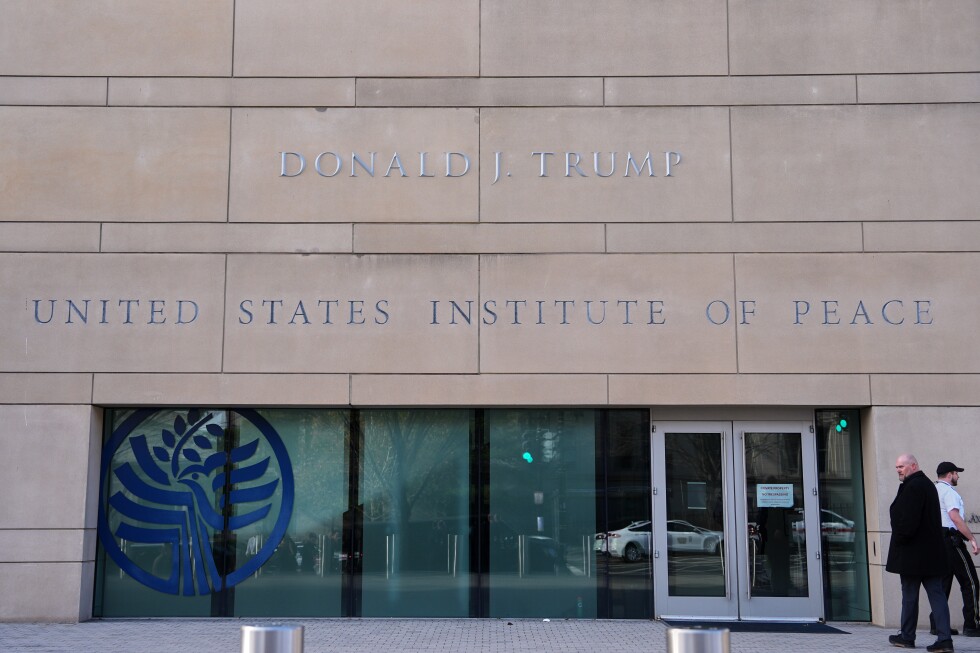
Thea Price never imagined her career would become collateral damage in a government efficiency drive. As one of 300 employees at the United States Institute of Peace (USIP), Price experienced a year of unprecedented turmoil—fired, rehired, and fired again during President Donald Trump’s campaign to drastically reduce the federal workforce.
“Nobody was prepared for the complete destruction,” said Price, a former program operations manager at USIP. “And for what?”
The Department of Government Efficiency (DOGE), led initially by presidential adviser Elon Musk, orchestrated sweeping purges across federal agencies with the stated mission of eliminating fraud, waste, and abuse. USIP, a congressionally funded independent nonprofit organization, became emblematic of the administration’s approach to government reform.
The disruption began when DOGE staff entered USIP’s Washington headquarters early last year, igniting a power struggle over the institute’s control. The conflict escalated on March 28, 2025, when all employees received termination notices. A federal judge later reversed this decision, only for an appeals court to reinstate the firings months later—creating professional whiplash that continues to affect former staffers.
One year into this government transformation initiative, the human cost is evident, but the actual financial benefits remain unclear.
The White House claims significant achievements, with spokesperson Davis Ingle stating: “President Trump was given a clear mandate to eliminate waste, fraud and abuse from the federal government. In just a year, he has made significant progress in making the federal government more efficient to better serve the American taxpayer.”
According to the Office of Management and Budget, over 260,000 federal workers left government service in 2025 due to administration initiatives, including reductions in force, early retirements, and a government-wide hiring freeze. DOGE’s website reports approximately $215 billion in savings through these job cuts, contract cancellations, and asset sales.
However, independent analysts challenge these figures. Dominik Lett, a budget analyst at the libertarian Cato Institute, identified basic errors in DOGE’s savings calculations and noted the complexity of accurately measuring the financial impact of the restructuring.
“Who is getting fired matters. How they’re getting fired, will there be lawsuits?” Lett explained. “We don’t know how much DOGE has saved.”
Elaine Kamarck, a senior fellow at the Brookings Institution, found that approximately 25,000 terminated employees were eventually rehired after being deemed essential to government operations.
“What DOGE did is it cut so big and so deep and so randomly that when the Cabinet secretaries came in, and Elon Musk was gone, they realized that they had to bring some of these people back,” Kamarck said. She estimates actual savings might range between $100 billion and $200 billion, substantially below Musk’s original $2 trillion target.
A Government Accountability Office analysis revealed that layoffs in the Education Department’s civil rights division may have actually cost taxpayers $38 million, as terminated employees continued receiving payments for months after dismissal.
Legal challenges continue to mount, with more than a dozen lawsuits challenging various DOGE actions, from mass terminations to grant cancellations and program closures. Even Musk acknowledged limitations in his approach, telling conservative influencer Katie Miller last December that his efforts leading DOGE were only “somewhat successful” and something he would not undertake again.
USIP’s situation reflects the broader disruption. Created during the Reagan administration to promote peace and prevent global conflict, the institute operated in over 25 conflict zones before its operations were halted. Employees watched nervously as DOGE dismantled the U.S. Agency for International Development before turning attention to their organization.
The legal battle over USIP’s independence from executive branch control continues. The case is currently suspended pending a Supreme Court decision in another personnel-related matter that could significantly expand presidential authority over traditionally independent federal agencies.
Though DOGE’s public profile has diminished, its influence persists. Former high-ranking DOGE officials now occupy permanent positions in several federal departments, including Treasury.
For former USIP employees, the past year has been challenging. Many struggle to find work in a job market suddenly flooded with experienced government professionals. Some maintain regular contact, sharing job leads and updates on the suspended court cases they hope might eventually restore their former employer.
Price’s situation illustrates the personal toll. Fired just one day after returning from maternity leave, she and her husband—who lost his museum contract job in related funding cuts—depleted their savings and applied for food assistance. When government shutdown halted her SNAP benefits, she relied on a food pantry. After filing dozens of applications, her family ultimately relocated to the Seattle area.
Though now employed at an affordable housing nonprofit, Price misses USIP’s global mission and her former colleagues.
Liz Callihan, previously in communications at USIP, has applied for 140 positions since being terminated. She still questions why her former workplace, with its $50 million annual budget and peace-promoting mission, became a DOGE target.
“I absolutely ask myself every day what all this was for,” she said.
Fact Checker
Verify the accuracy of this article using The Disinformation Commission analysis and real-time sources.

10 Comments
The DOGE initiative seems to have been heavy-handed in its approach, causing undue hardship for federal workers. Streamlining operations is sensible, but not at the expense of experienced staff and critical public programs. I hope the government can find a better balance moving forward.
Agree completely. Reforms should prioritize maintaining essential services and supporting displaced workers, not just cutting headcount at all costs. Thoughtful, measured changes are needed here.
What a shame to see the lives of hardworking federal employees disrupted by these DOGE reforms. Eliminating waste is noble, but not at the expense of dedicated public servants. I hope they can find stability and security again soon.
Agreed, the human cost of these drastic workforce cuts is concerning. The government should aim for more measured, thoughtful reforms that protect essential staff and services.
What a mess. While improving government efficiency is a worthy goal, the DOGE program’s disruptive tactics have clearly undermined trust and morale among federal employees. A more collaborative, empathetic approach seems needed to drive meaningful change without such collateral damage.
It’s distressing to read about the chaos and uncertainty these workers faced due to the DOGE program. While government reforms are needed, they should be implemented carefully to avoid harming dedicated public servants. Wishing the affected employees all the best in finding new positions.
Shocking to see how the DOGE initiative upended the lives of these federal employees. Efficiency is admirable, but not when it comes at such a heavy personal cost. I hope the government learns from this experience and adopts a more measured, compassionate approach going forward.
While reducing waste in government is important, the DOGE program appears to have gone too far in its zeal. Terminating hundreds of experienced civil servants seems short-sighted and disruptive. I hope the affected workers can find new opportunities soon.
This is a stark example of how government efficiency initiatives can backfire and harm the very people they’re meant to serve. Hopefully lessons are learned to balance budget cuts with preserving vital public programs and jobs.
Well said. Reforms shouldn’t come at the expense of public trust and stability. The government needs to find a more nuanced, humane approach to streamlining operations.