


Listen to the article
Wisconsin Governor Questions Lieutenant Governor’s Proposal on Immigration Enforcement
Wisconsin Democratic Governor Tony Evers has expressed skepticism about a proposal from his own Lieutenant Governor, Sara Rodriguez, that would ban federal immigration enforcement actions around sensitive locations like courthouses, schools, and hospitals across the state.
“I’m not sure we have the ability to do that,” Evers said during a Monday news briefing when asked about the proposal. The governor also voiced concerns about potential federal backlash, particularly from the incoming Trump administration. “Banning things absolutely will ramp up the actions of our folks in Washington, D.C. They don’t tend to approach those things appropriately.”
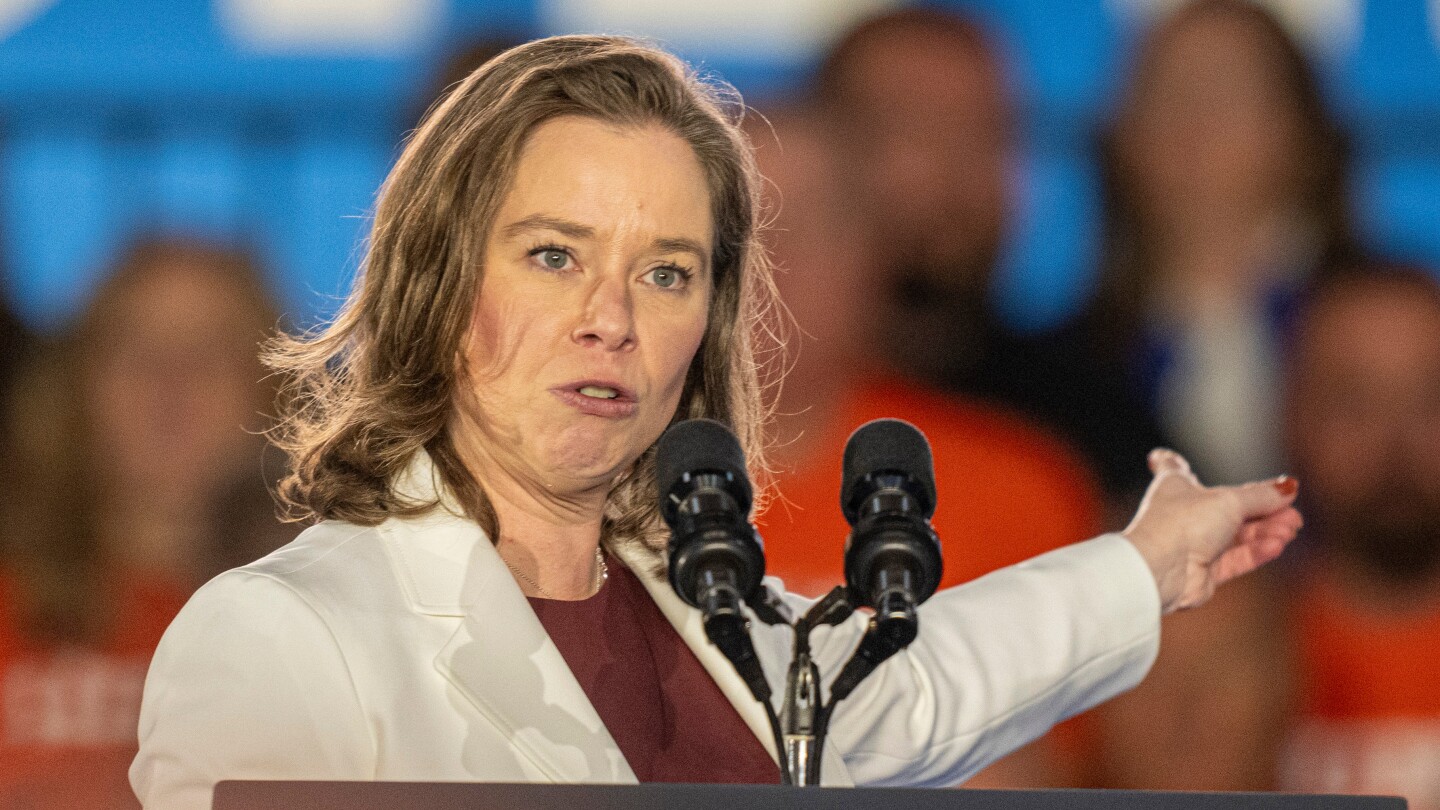
Rodriguez, who is running for governor in 2026 after Evers decided against seeking a third term, announced the proposal Monday. Her plan would prohibit civil immigration enforcement actions at courthouses, hospitals, health clinics, child care centers, schools, universities, domestic violence shelters, and places of worship. The ban would include exceptions for cases involving judicial warrants or immediate public safety threats.
Despite Evers’ reservations, Rodriguez stood firmly behind her proposal on Tuesday. “For too long Democrats have dialed back actions in hopes President Trump doesn’t escalate, and that’s not what happens,” she said in a statement. “He always escalates.”
The timing of Rodriguez’s announcement follows heightened tensions over immigration enforcement nationally. Last week, an Immigration and Customs Enforcement (ICE) officer fatally shot Renee Good in neighboring Minnesota, sparking protests across the country, including in Wisconsin. The incident has become a flashpoint amid the Trump administration’s intensified deportation operations.
Rodriguez’s proposal draws inspiration from similar measures implemented in Democratic-controlled states including California, New York, Illinois, and New Jersey. These “sanctuary” policies aim to limit local cooperation with federal immigration authorities and restrict where enforcement actions can occur.
Political analysts note that even if introduced as legislation, Rodriguez’s proposal would face significant hurdles in Wisconsin’s Republican-controlled Legislature, where immigration enforcement has been a partisan dividing line. The proposal appears designed to position Rodriguez with progressive voters ahead of what is expected to be a competitive Democratic primary for governor.
In addition to location restrictions, Rodriguez has called for all ICE agents operating in Wisconsin to be unmasked, clearly identified, and equipped with body cameras to ensure accountability. “No one should be afraid to drop off their kids at school, seek medical care, go to court, or attend worship because enforcement actions are happening without clear rules or accountability,” she stated.
Meanwhile, neighboring Minnesota, along with the cities of Minneapolis and St. Paul, filed a lawsuit Monday against the Trump administration seeking to halt or limit immigration enforcement operations in the state. The lawsuit requests a temporary restraining order against the federal government’s enforcement surge.
When pressed about whether ICE agents were welcome in Wisconsin, Governor Evers suggested state self-sufficiency. “I think we can handle ourselves, frankly. I don’t see the need for the federal government to be coming into our state and making decisions that we can make in the state,” he said.
The disagreement highlights growing tensions within the Democratic party about how to approach immigration policy as the Trump administration prepares to implement more aggressive enforcement measures. It also underscores the challenges facing state officials who may seek to limit federal authority while operating within the constraints of federalism.
Rodriguez and Evers were elected together in 2022 after Rodriguez won the Democratic lieutenant governor primary, but their differing approaches to immigration enforcement suggest potential policy divides as Wisconsin Democrats look toward future leadership.
Fact Checker
Verify the accuracy of this article using The Disinformation Commission analysis and real-time sources.

5 Comments
This proposal to restrict immigration enforcement around sensitive locations like schools and hospitals seems well-intentioned, but the governor’s hesitation about the state’s legal authority to do that is understandable. Balancing state and federal powers on immigration is tricky.
Interesting that the governor is questioning his lieutenant governor’s proposal on immigration enforcement. Seems like there could be some political tensions there. I wonder what the reasoning is behind the concerns about federal backlash.
I’m curious to learn more about the reasoning behind the lieutenant governor’s proposal and the concerns the governor has expressed. Immigration policy is such a hot-button issue, it’s not surprising there are disagreements even within the same party.
This situation highlights the ongoing tensions between state and federal authority when it comes to immigration enforcement. The governor seems cautious about provoking a federal backlash, which is a reasonable concern given the political climate.
The lieutenant governor’s plan to limit immigration actions near schools and hospitals has some merits, but the governor raises valid points about potential federal pushback. These types of state-federal conflicts on immigration enforcement are complex and politically charged.