


Listen to the article
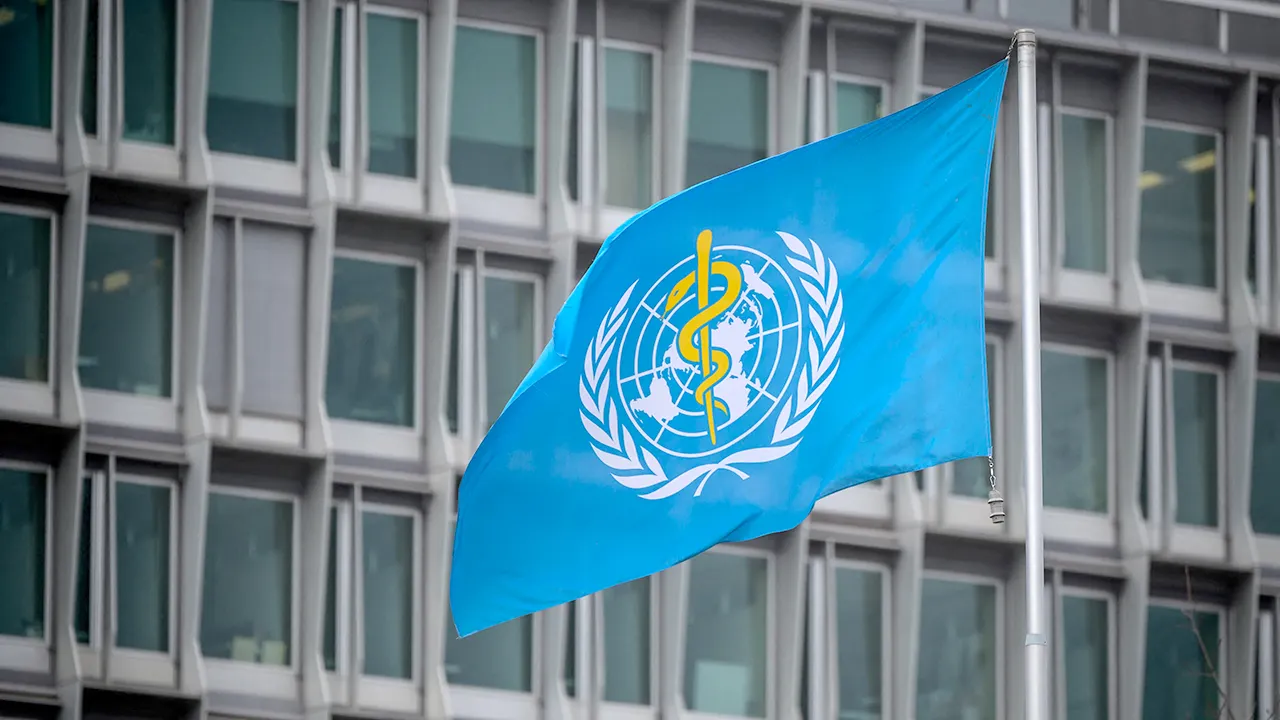
The World Health Organization expressed concern on Saturday that the United States’ withdrawal from the agency will have negative consequences for global health security, stating the decision “makes both the United States and the world less safe.”
“We hope that in the future, the United States will return to active participation in WHO,” the organization said in its January 24 statement, responding to the formal U.S. exit announced earlier in the week.
The withdrawal marks the culmination of a process initiated by President Donald Trump upon his return to office last year. Trump had signaled his intention to pull the United States from the WHO as one of his first priorities after regaining the presidency.
On January 22, U.S. Secretary of State Marco Rubio and Health and Human Services Secretary Robert F. Kennedy Jr. released a joint statement confirming the departure: “Today, the United States withdrew from the World Health Organization, freeing itself from its constraints, as President Trump promised on his first day in office by signing E.O. 14155.”
The administration officials made it clear that the separation would be comprehensive, stating, “All U.S. funding for, and staffing of, WHO initiatives has ceased.” They added that future engagement with the WHO would be “limited strictly to effectuate our withdrawal and to safeguard the health and safety of the American people.”
In justifying the decision, Rubio and Kennedy claimed the WHO had “pursued a politicized, bureaucratic agenda driven by nations hostile to American interests.” This accusation represents a continuation of the Trump administration’s previous criticisms of the organization, particularly regarding its handling of the COVID-19 pandemic and alleged influence from China.
The WHO firmly rejected these characterizations in its response. “This is untrue. As a specialized agency of the United Nations, governed by 194 Member States, WHO has always been and remains impartial and exists to serve all countries, with respect for their sovereignty, and without fear or favor,” the organization stated.
Public health experts have expressed concern about the potential consequences of the withdrawal. The United States has historically been the WHO’s largest financial contributor, providing substantial funding for global health initiatives, disease surveillance, and emergency response programs. The departure creates questions about funding gaps and how they might affect ongoing health programs worldwide.
The U.S. exit also comes at a time when the WHO has been working to strengthen global health security frameworks following lessons learned during the COVID-19 pandemic. Many health security experts worry that American absence from these discussions could weaken coordinated responses to future health emergencies.
This withdrawal aligns with President Trump’s broader skepticism toward multilateral institutions. In recent months, he has also signaled potential changes to U.S. participation in other international organizations, including floating the concept of a “Board of Peace” as an alternative to the United Nations.
The decision represents one of the most significant shifts in U.S. global health policy in decades. The United States had been a founding member of the WHO in 1948 and has played a central role in shaping global health priorities and responses to international health crises.
While the administration has framed the withdrawal as protecting American interests, critics argue it could diminish U.S. influence in global health governance and reduce access to crucial international disease surveillance information that protects Americans from emerging health threats.
The long-term implications of this policy shift will likely depend on whether future administrations reconsider U.S. participation in the organization or pursue alternative frameworks for international health cooperation.
Fact Checker
Verify the accuracy of this article using The Disinformation Commission analysis and real-time sources.

14 Comments
The WHO’s role in coordinating international responses to public health emergencies is invaluable. This withdrawal is concerning and could undermine global efforts to address future crises.
Exactly. The WHO’s global reach and ability to mobilize resources are crucial, especially for developing nations. Losing US participation is a major setback for worldwide health security.
I’m quite skeptical of this move. While the WHO may have its flaws, withdrawing completely seems like an overreaction that will weaken global health cooperation at a critical time.
Agreed. The US should work to reform and improve the WHO from within, rather than abandoning it entirely. This decision could have far-reaching negative consequences.
This is a concerning move that could undermine the WHO’s crucial role in coordinating international responses to public health emergencies. I hope the US will reconsider and re-engage with the organization.
Absolutely. The WHO’s work is vital for protecting the health and safety of people around the world. Withdrawing from the organization could have far-reaching negative consequences that the US may come to regret.
While I can understand the desire for increased autonomy, the WHO’s global reach and expertise are invaluable for public health crises. This decision seems shortsighted and could have serious ramifications.
I agree. The WHO plays a crucial role in coordinating international responses to pandemics and other health emergencies. Withdrawing from the organization could seriously undermine global health security.
This is a concerning development. The WHO’s work is vital for protecting the health and safety of people around the world. I hope the US will reconsider this decision and re-engage with the organization.
Absolutely. The WHO’s ability to mobilize resources and expertise globally is crucial, especially for lower-income nations. Losing the US as a partner is a major setback.
While the WHO may have room for improvement, withdrawing entirely seems like an overreaction that could have serious consequences for global health security. I hope the US will reconsider this decision.
Agreed. The WHO’s global reach and ability to mobilize resources are invaluable, especially for lower-income nations. Losing US participation is a major setback that could undermine worldwide efforts to address health crises.
This decision is disappointing. The WHO plays a vital part in protecting the health and safety of people globally. I hope the US will reconsider and re-engage with the organization.
I share your disappointment. The WHO’s expertise and coordination are essential, especially for addressing pandemics and other transnational health challenges. This withdrawal seems short-sighted.