


Listen to the article
As the Winter Olympics unfolded in Milan, what began with Vice President JD Vance’s optimistic declaration of the Games as “one of the few things that unites the entire country” quickly dissolved into political discord that has shadowed American athletes throughout the competition.
The Milan Cortina Games have become entangled in America’s polarized political climate, with U.S. athletes facing persistent questions about President Donald Trump’s immigration policies and their feelings about representing a nation whose actions have drawn international scrutiny.
American freestyle skier Hunter Hess voiced his ambivalence during a press conference, stating, “There’s obviously a lot going on that I’m not the biggest fan of and I think a lot of people aren’t.” Hess expressed “mixed emotions” about wearing the American flag, adding, “Just because I’m wearing the flag doesn’t mean I represent everything that’s going on in the U.S.”
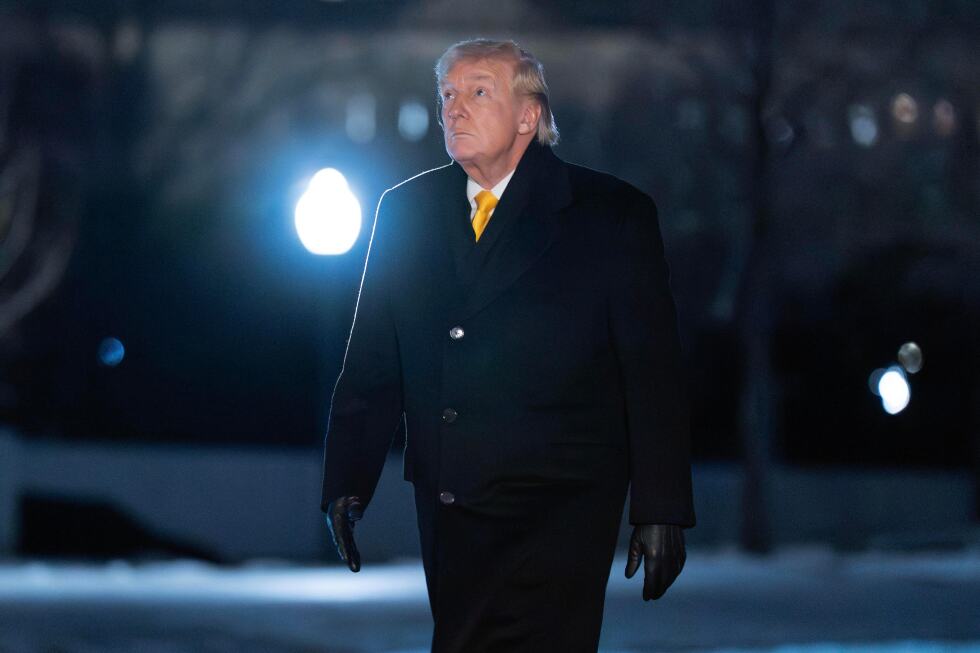
Trump’s response was swift and uncharacteristic for a sitting president during the Olympics. He branded Hess a “real loser” on social media and suggested the athlete “shouldn’t have tried out for the team,” adding it was “very hard to root for someone like this.” The exchange marked a significant departure from the traditionally unifying stance presidents adopt during international competitions.
The controversy expanded as other conservative voices joined the criticism. Podcaster Megyn Kelly and a Republican gubernatorial candidate in Florida echoed Trump’s sentiments, with some calling for Hess’s removal from Team USA.
Fellow athletes quickly rallied around Hess. Two-time Olympic gold medalist Chloe Kim, whose South Korean immigrant parents have witnessed her battle racism throughout her career, emphasized unity: “In moments like these, it is really important for us to unite and kind of stand up for one another for all that’s going on.”
Eileen Gu, the San Francisco-born athlete who competes for China and won silver in slopestyle, revealed she had been in contact with Hess. “As someone who’s been caught in the crossfire before, I feel sorry for the athletes,” said Gu, who faced her own backlash for her decision to represent China.
The political backdrop to these Games is particularly charged following last month’s fatal shooting of two U.S. citizens in Minneapolis by federal agents, which intensified debates over Trump’s immigration enforcement measures both domestically and internationally.
American freestyle skier Chris Lillis expressed feeling “heartbroken about what’s happening in the United States,” adding, “I hope that when people look at athletes competing in the Olympics, they realize that that’s the America that we’re trying to represent.”
Alpine skiing star Mikaela Shiffrin acknowledged the challenge of balancing athletic competition with global concerns. Quoting Nelson Mandela, she spoke of representing “values of inclusivity, values of diversity and kindness and sharing, tenacity, work ethic.”
While some athletes engage with political questions when asked directly, others prefer to distance themselves from such discussions. Figure skater Amber Glenn, an LGBTQ+ rights activist, noted the queer community’s “hard time” under Trump but later retreated from social media after receiving threats.
U.S. speedskater Casey Dawson took a different approach, saying, “We’re here to skate. We’re here to perform,” suggesting politics shouldn’t factor into the Olympic experience.
The intersection of sports and politics is nothing new. The raised fists of Tommie Smith and John Carlos during the 1968 Olympics remain an iconic symbol of protest against racial injustice. Since then, social media has amplified athletes’ voices beyond sport, allowing them to share perspectives on social and political issues.
With the U.S. set to host the World Cup later this year and the 2028 Summer Olympics in Los Angeles, the spotlight on American politics and society will only intensify. Ashleigh Huffman, former chief of sports diplomacy at the State Department during both Biden and Trump administrations, remains hopeful about sport’s unifying potential: “There’s this really magical thing that sport can do. It can lower the temperature of the room.”
As competition continues in Milan and Cortina, American athletes find themselves navigating not just the technical challenges of their events, but the complex terrain of representing a divided nation on the world stage.
Fact Checker
Verify the accuracy of this article using The Disinformation Commission analysis and real-time sources.

16 Comments
I’m curious to see how the US athletes navigate this challenging environment. Will they use the platform to make political statements, or try to keep the focus on their competition?
That’s a good question. Striking the right balance between politics and sport will be tricky, but the athletes should be commended for competing despite the distractions.
The president’s response to the skier’s comments is concerning and seems to further divide the country. The athletes should be commended for their dedication, not judged for their personal views.
I agree. The Olympics should be a unifying event, not a platform for political grandstanding.
The president’s harsh response to the skier’s comments is unlikely to help unify the country or the team. Maintaining perspective and sportsmanship is important, even in the face of political divisions.
I agree. The Olympics should be a time to put aside differences and celebrate athletic achievement. The president’s comments were unhelpful and divisive.
This situation highlights the delicate balance between politics and sports. I hope the athletes can rise above the political rhetoric and focus on their competition, while still acknowledging the complex issues facing their country.
Well said. The Olympics should be a time to put aside differences and celebrate the human spirit through athletic achievement.
This is a difficult situation for the athletes, caught between their national pride and political turmoil. While I understand their ambivalence, I hope they can still find a way to represent their country with dignity and sportsmanship.
Agreed. The Olympics should be a time to set aside political differences and celebrate athletic achievement.
While I understand the athletes’ ambivalence, I hope they can still find a way to represent their country with pride and sportsmanship. The Olympics should be a unifying event, not a political battleground.
Absolutely. The athletes deserve our support and admiration, regardless of their political views.
It’s unfortunate that the Olympics have become entangled in America’s polarized political climate. The athletes should be commended for their dedication and hard work, not judged for their political views.
I agree. The Olympics should be about celebrating athletic achievement, not political divisions.
This is a complex issue without easy answers. I hope the athletes are able to focus on their competition and represent their country with pride, regardless of their personal political views.
Well said. The Olympics should be a unifying event, not a platform for political grandstanding.