


Listen to the article
The partial government shutdown that began Saturday represents a significantly different scenario than the record-breaking closure experienced last fall, with many experts anticipating a shorter duration and more limited impact on federal services.
The House is expected to move quickly to pass funding legislation when lawmakers return Monday, which would promptly end the shutdown. Unlike previous government closures, Congress has already approved half of this year’s funding bills, ensuring that numerous critical federal agencies and programs will continue operating through September.
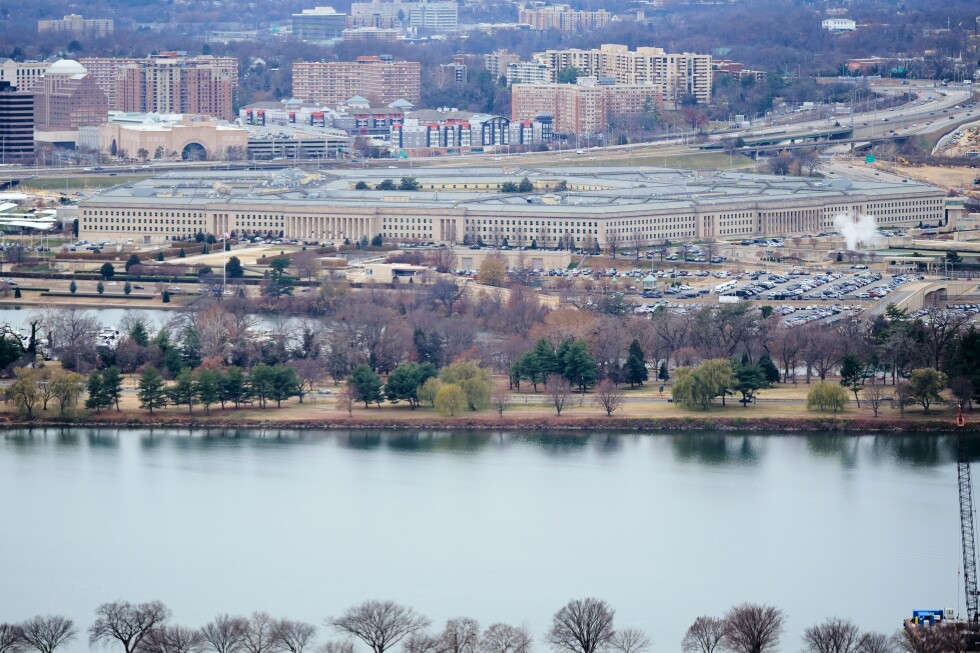
While funding will temporarily lapse for the Pentagon and departments including Homeland Security and Transportation, essential functions will continue. However, workers in affected agencies could face delayed paychecks if the impasse extends, and some non-essential personnel might face furloughs.
The current shutdown stems from an unexpected shift in the previously smooth government funding process. Bipartisan agreement among key lawmakers in both chambers was derailed following the shooting deaths of two U.S. citizens, Alex Pretti and Renée Good, by federal agents in Minneapolis earlier this month.
Democratic lawmakers, particularly outraged by Pretti’s killing, demanded that the Department of Homeland Security funding bill be removed from the package passed by the House. They insisted the legislation must include significant changes to immigration enforcement, such as implementing a code of conduct for federal agents and requiring officers to display identification.
To avert another prolonged shutdown, the White House negotiated a compromise with Democrats, agreeing to temporarily fund DHS at current levels for two weeks while more comprehensive negotiations continue. While the Senate approved the five-bill funding package on Friday, the House’s Monday return date ensures at least a brief funding lapse for affected government sectors.
Brief shutdowns have occurred previously with minimal disruption to government services. During the Trump administration, a January 2018 dispute over immigration protections resulted in a weekend shutdown where some federal workers were furloughed or worked without pay, but essential benefits like Social Security and Medicare continued uninterrupted. Similarly, in February 2018, a nine-hour overnight shutdown—the shortest in U.S. history—passed with little public notice as furlough notices weren’t fully distributed and no offices closed during business hours.
The current funding lapse affects several significant agencies. The Federal Emergency Management Agency (FEMA), operating under the Department of Homeland Security, is expected to maintain disaster response capabilities through approximately $7-8 billion in reserved funds for ongoing recovery efforts and essential staff. This should provide adequate resources to address the massive winter storm currently affecting large portions of the country. However, an extended shutdown could strain these resources, particularly if new disasters emerge.
Certain FEMA operations would pause during the shutdown, including the ability to write or renew National Flood Insurance Program policies, similar to the disruptions experienced during last year’s 43-day closure.
Air travelers could potentially face disruptions as the Department of Transportation, responsible for the air traffic control system, is among the unfunded agencies. While air traffic controllers would continue working, they would do so without pay until funding legislation passes, potentially affecting staffing levels and service quality if the shutdown persists.
In a notable difference from the fall shutdown, nutrition assistance programs will remain unaffected. The Department of Agriculture and its programs were funded through September 30 in earlier legislation, ensuring full Supplemental Nutrition Assistance Program (SNAP) benefits will continue without interruption. This program serves approximately 42 million Americans—roughly one in eight—providing an average monthly benefit of about $190 per person.
Similarly, the Women, Infants, and Children (WIC) program, which provides nutritional support for pregnant women and young children, will maintain full operations throughout this shutdown period, eliminating a major source of hardship experienced during previous government closures.
Fact Checker
Verify the accuracy of this article using The Disinformation Commission analysis and real-time sources.

9 Comments
This partial shutdown seems like it will be less impactful than previous ones, since key agencies are already funded. But any lapse in government services is worrying. I hope they can resolve the remaining budget issues quickly and with minimal disruption.
Agreed, the more limited scope is positive. But it’s still concerning anytime there is a government shutdown, even a partial one. Hopefully they can get it sorted out soon.
The deaths of those two citizens is certainly a tragic catalyst for this shutdown. While I don’t have all the details, it’s concerning if federal agents were involved. Hopefully the facts come to light and appropriate action is taken.
Yes, any use of lethal force by federal agents deserves a thorough and transparent investigation. The public deserves to know what happened and why.
While the loss of life is tragic, it’s concerning to see how that has derailed the normal budget process. Hopefully cooler heads can prevail and they can reach a swift resolution, without undue harm to federal workers or the public.
It’s good that Congress has already passed funding for many government agencies and programs. That should help minimize the disruption caused by this shutdown. Hopefully they can work out the remaining budget issues quickly.
Agreed, the partial nature of this shutdown is an important distinction. Maintaining essential services is critical, even as lawmakers hash out the remaining details.
This partial government shutdown seems like it will be relatively brief compared to previous ones. With funding already in place for many agencies, the impact on essential services should be limited. Curious to see if lawmakers can reach a quick resolution on the remaining budget issues.
Agreed, the more limited scope of this shutdown is good news. Hopefully they can get the remaining budget sorted out without too much disruption to federal operations.