


Listen to the article
Partial Government Shutdown Begins as Immigration Enforcement Dispute Continues
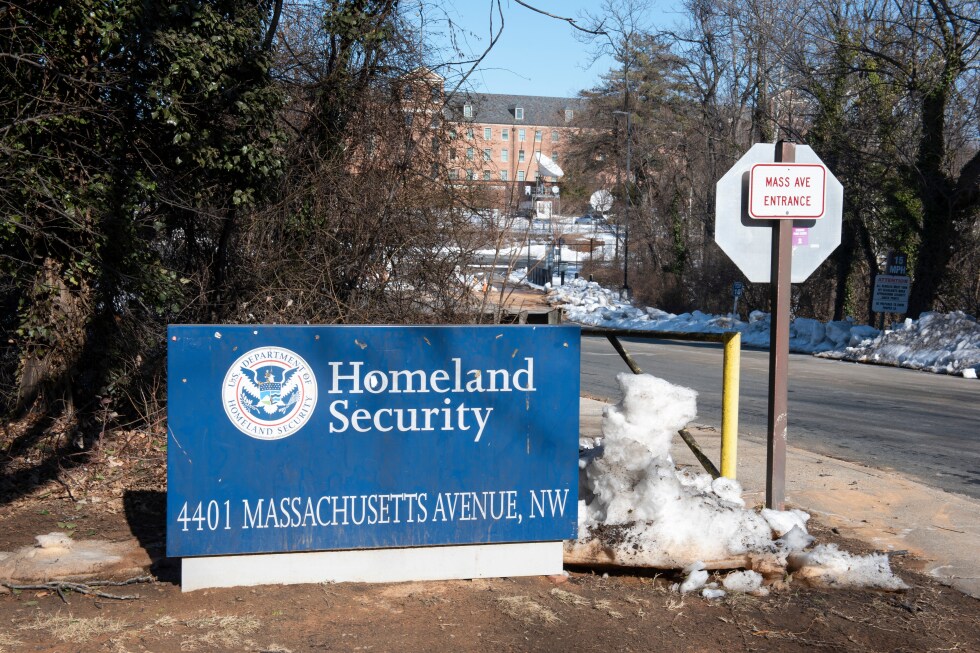
A partial shutdown of the federal government commenced Saturday as negotiations between the White House and Democrats stalled over proposed restrictions on immigration enforcement operations. The Department of Homeland Security (DHS) has lost funding amid growing tensions following the fatal shootings of Alex Pretti and Renee Good in Minneapolis last month.
Unlike the record 43-day shutdown in late 2025, this closure affects only agencies under the DHS umbrella, including Immigration and Customs Enforcement (ICE), Customs and Border Protection (CBP), and the Transportation Security Administration (TSA). The rest of the federal government remains funded through September 30.
The funding lapse occurred when President Donald Trump agreed to Democrats’ request to separate homeland security funding from a broader spending package to allow more time for negotiations. Democrats are now refusing to approve additional funding without new limitations on federal immigration operations.
Despite the shutdown, ICE and CBP operations will largely continue. Trump’s 2025 tax and spending legislation provided ICE with approximately $75 billion and CBP with $65 billion, allowing these agencies to maintain their deportation activities despite the current funding gap.
Democratic lawmakers are demanding significant changes to immigration enforcement protocols, including a code of conduct for federal agents and requirements that officers clearly identify themselves when interacting with the public. These demands come in direct response to recent controversies surrounding immigration enforcement tactics.
The Secret Service and Federal Emergency Management Agency (FEMA) are also affected by the shutdown. While most Secret Service personnel will continue working, FEMA’s ability to reimburse states for disaster relief costs will be disrupted, and training for first responders at the National Disaster and Emergency Management University in Maryland will be curtailed.
At TSA, approximately 95% of employees are classified as “essential” and will continue screening passengers and baggage at commercial airports nationwide. However, they will work without pay until the funding impasse is resolved, creating potential for staffing challenges similar to those experienced during the previous shutdown.
“Some are just now recovering from the financial impact of the 43-day shutdown,” said Ha Nguyen McNeill, a senior official performing TSA administrator duties. “Many are still reeling from it.”
Senate Republican leader John Thune of South Dakota has expressed concern about the shutdown’s impact on air travel. “There’s a very good chance we could see more travel problems,” Thune warned, referencing the staffing shortages that developed during last year’s funding lapse.
During the previous shutdown, unpaid TSA workers increasingly called in sick or stayed home as missed paychecks made it difficult to cover basic expenses. The strain became evident when TSA was forced to close two security checkpoints at Philadelphia International Airport about a month into the shutdown.
Overall, the majority of DHS’s 270,000 employees are deemed essential, meaning they must continue working even without pay. During the 2025 shutdown, approximately 258,000 DHS employees were categorized as essential, with only about 22,000 workers—roughly 5% of the agency’s workforce—being furloughed.
The current shutdown highlights the ongoing political divide over immigration policy. While Republicans maintain the necessity of robust enforcement operations, Democrats argue that greater oversight and accountability measures are needed to prevent abuses.
Economic analysts warn that if the shutdown continues for an extended period, it could begin to have broader impacts beyond the immediate federal workforce. Beyond the direct effects on government employees, prolonged uncertainty could ripple through contractors, local businesses that serve federal workers, and communities with high concentrations of federal employment.
Both sides have indicated a willingness to continue negotiations, though neither has shown signs of backing away from their core positions. As the impasse continues, the pressure will likely mount on both the administration and congressional Democrats to find a compromise solution that addresses immigration enforcement concerns while restoring funding to critical homeland security functions.
Fact Checker
Verify the accuracy of this article using The Disinformation Commission analysis and real-time sources.

14 Comments
This partial government shutdown over immigration enforcement is troubling. I urge both sides to negotiate in good faith and reach a compromise that maintains critical homeland security functions.
While immigration reform is important, the partial shutdown of homeland security is deeply concerning. I hope our leaders can put partisan differences aside and find a solution that ensures continued security for all.
Maintaining robust homeland security should be a top priority, regardless of political differences. I hope this shutdown is resolved quickly to avoid any gaps in critical operations.
The partial government shutdown over immigration enforcement is a complex issue with valid concerns on both sides. A balanced approach is needed to maintain security while finding humane solutions.
I agree, a thoughtful compromise is critical to resolve this impasse and avoid further disruptions to vital homeland security functions.
While I understand the desire for reform, a partial shutdown of homeland security is risky and concerning. I hope both sides can find common ground to resolve this impasse soon.
This partial government shutdown over immigration policy is concerning. I hope the White House and Congress can put politics aside and find a balanced solution to ensure uninterrupted homeland security.
Homeland security should not be held hostage to political disputes. I hope the White House and Congress can find a pragmatic compromise that keeps our country safe during this challenging period.
The shutdown’s impact on homeland security operations is concerning, given the recent high-profile incidents. It’s important to ensure continued security while also addressing immigration concerns through constructive negotiations.
This shutdown highlights the need for bipartisan cooperation on complex issues like immigration and homeland security. I hope cooler heads will prevail and a reasonable compromise can be reached.
The ongoing dispute over immigration enforcement and its impact on homeland security funding is deeply troubling. I urge lawmakers to put national security first and find a swift resolution.
The continued funding dispute over immigration enforcement is concerning. It’s crucial that both parties come together to ensure uninterrupted security operations during this challenging period.
The funding lapse for homeland security agencies is worrying. I hope both parties can work together constructively to address immigration concerns while maintaining essential security operations.
This shutdown is particularly troubling given the sensitive nature of homeland security. I hope lawmakers can put partisan politics aside and work together to find a pragmatic solution.