


Listen to the article
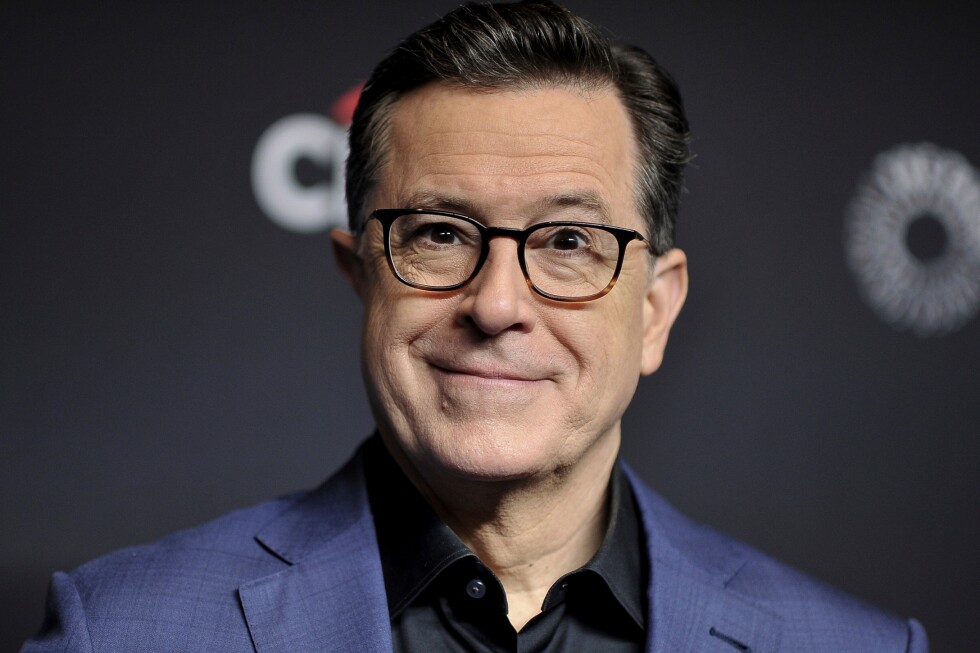
Stephen Colbert’s recent clash with network executives over an interview with Democratic Texas Senate candidate James Talarico has ignited a broader discussion about media regulation and political coverage in America. The controversy emerged after CBS lawyers prevented the interview from airing on broadcast television, citing potential violations of the FCC’s equal time provisions.
“He was supposed to be here, but we were told in no uncertain terms by our network’s lawyers, who called us directly, that we could not have him on the broadcast,” Colbert explained during Monday’s episode of “The Late Show with Stephen Colbert.” Instead, the nearly 15-minute interview was published on the show’s YouTube channel.
CBS clarified their position in a Tuesday statement, explaining that legal guidance indicated the broadcast “could trigger the FCC equal-time rule for two other candidates” competing in the March 3 Democratic primary. Rather than providing equal airtime to other candidates, the network opted to share the interview through digital channels while promoting it on-air.
Talarico, known for his criticism of former President Donald Trump, characterized the situation dramatically on social media, calling it “the interview Donald Trump didn’t want you to see.”
The controversy stems from the Communications Act of 1934, which established the equal time rule requiring broadcast stations to provide comparable airtime to all candidates in a political race if they feature one candidate. While there are traditionally exemptions for news programs, interviews, and documentaries, the Trump administration’s FCC has recently signaled a more restrictive approach to these exceptions.
In January, FCC Chairman Brendan Carr issued new guidance specifically targeting late-night and daytime talk shows, questioning whether such programs should continue to qualify for exemptions. The notice suggested that these shows might be “motivated by partisan purposes” and stated that “the FCC has not been presented with any evidence that the interview portion of any late night or daytime television talk show program on air presently would qualify for the bona fide news exemption.”
This regulatory shift represents a significant departure from previous interpretations of the rule, which typically granted more latitude to talk shows under the “bona fide” interview program exemption. Under the new guidance, television networks would need to apply for exemptions for individual programs – creating a more complex compliance landscape for broadcasters.
The equal time provision applies exclusively to broadcast television and radio, which explains why Colbert’s team could share the interview online without regulatory concerns. Cable networks, streaming services, and social media platforms remain unaffected by these requirements.
Carr, appointed by Trump to lead the FCC last year, has frequently criticized network talk shows, particularly targeting ABC’s “The View,” whose hosts have often been critical of Trump. Last year, he suggested that examining the program’s exemption status might be “worthwhile.”
The current controversy should not be confused with the now-defunct Fairness Doctrine, which was a separate FCC rule established in 1949. That policy required broadcasters to present contrasting viewpoints on controversial public issues but was repealed in 1987 during the Reagan administration. Unlike the equal time provision, the Fairness Doctrine focused on topics rather than candidates and was never codified into law.
This latest incident highlights the evolving regulatory environment for political coverage in broadcast media and raises questions about the balance between ensuring fair political representation and maintaining editorial independence. As the 2024 election cycle accelerates, broadcasters may face increasing scrutiny and legal challenges when featuring political candidates in non-traditional formats.
The FCC has not yet responded to requests for comment on the Colbert-Talarico interview situation, leaving questions about how aggressively the agency plans to enforce its new interpretation of the equal time provisions.
Fact Checker
Verify the accuracy of this article using The Disinformation Commission analysis and real-time sources.

18 Comments
This is a complex issue without any easy answers. On one hand, the equal time rule exists to promote fairness. On the other, it can create challenges for media outlets trying to cover elections. I’m glad CBS found a way to share the interview digitally.
I wonder if there are any proposals to reform or update the equal time rule to better reflect the current media environment.
The equal time rule is a complex issue, and the Talarico interview case illustrates the delicate balance media outlets must strike. While I’m glad CBS found a way to share the content online, this episode could spur important discussions about potential policy reforms.
Kudos to CBS for being transparent about their decision-making process and the legal guidance they received. It’s a tough situation, but they handled it responsibly.
The equal time rule is a complex issue, and this case illustrates the tricky balance media outlets must strike between fairness and editorial discretion. I’m glad CBS found a solution to share the Talarico interview digitally.
This controversy could spur valuable discussions about potential updates to the equal time rule to better reflect the modern media landscape.
The Talarico interview controversy highlights the ongoing tension between editorial independence and regulatory requirements for political coverage. It will be worth following how this issue evolves and if it spurs any policy discussions.
While upholding the equal time rule is important, I hope media outlets can still find ways to provide in-depth coverage of candidates and issues, even if it has to be through digital channels.
This is an interesting case study on the nuances of equal time rules for political candidates. It highlights the tricky balance media outlets need to strike between fairness and editorial discretion.
I’m curious to see how this plays out and if it leads to further discussions around updating media regulations for the digital age.
While the equal time rule is an important safeguard, the Talarico interview case shows how it can create challenges for media outlets. I’m glad CBS found a way to share the content, even if it had to be online.
This episode highlights the need to re-evaluate the equal time rule and its continued relevance in the digital age.
The decision by CBS to pull the Talarico interview from broadcast TV due to equal time concerns is understandable, even if it’s frustrating for viewers who would have liked to see the full interview. Upholding regulations is important, even when it’s inconvenient.
This case could prompt valuable discussions about updating the equal time rule to better address the realities of the modern media landscape.
The decision by CBS to pull the Talarico interview from broadcast TV due to potential equal time issues seems prudent, even if it means the content is only available online. Upholding the rules is important, even if it’s inconvenient.
It will be interesting to see if this leads to any further scrutiny or debate around the equal time rule and its applicability in the modern media landscape.
This situation raises questions about the continued relevance and application of the equal time rule in the digital age. It will be interesting to see if it prompts any re-evaluation of the regulation.
Kudos to CBS for finding a way to share the Talarico interview, even if it had to be relegated to their online platform.