


Listen to the article
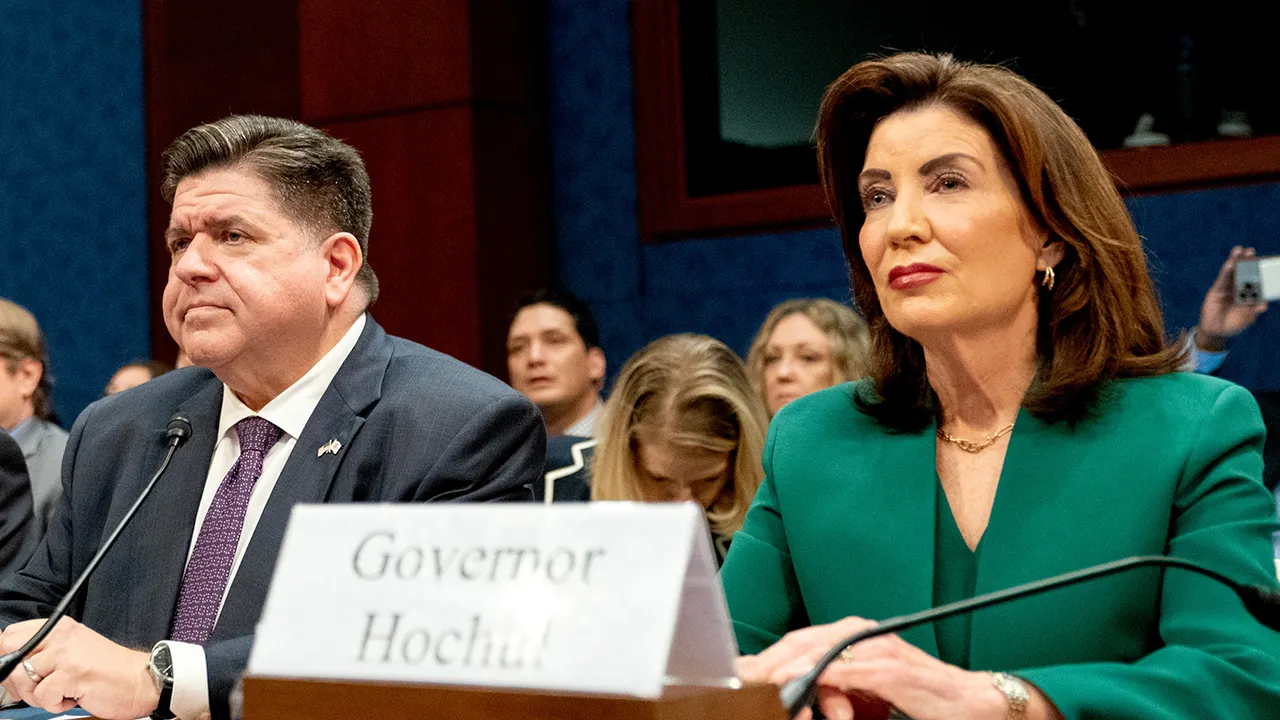
In a growing trend among blue states, New York Governor Kathy Hochul has become the latest Democratic leader to express concerns about wealthy taxpayers fleeing to Republican-led states with lower tax burdens. Hochul recently called millionaires who remain in New York “patriotic” for continuing to fund the state’s extensive social services network.
“There are some patriotic millionaires who stepped up,” Hochul said during a Politico event this month, encouraging others to “go down to Palm Beach and see who you can bring back home,” acknowledging that the state’s tax base has been “eroded” by outmigration.
The exodus of high-net-worth individuals from traditionally Democratic-governed states like New York, California, and Illinois to tax havens such as Florida, Alaska, Wyoming, and Tennessee has accelerated in recent years. Florida Governor Ron DeSantis has actively promoted his state as a “free state” for those looking to escape liberal policies and higher taxation.
This population shift carries significant fiscal implications. In New York, the top 1% of taxpayers contribute 46% of the state’s personal income tax revenue, making their departure particularly consequential for state budgets.
Ironically, Hochul’s plea for wealthy New Yorkers to return comes after she previously criticized Republican-voting residents. At a 2022 campaign rally, she told conservative New Yorkers to “jump on a bus and head down to Florida where you belong,” adding, “Get out of town. Because you do not represent our values. You are not New Yorkers.”
To combat this wealth migration, blue states have implemented aggressive enforcement mechanisms. New York State’s tax authority conducts thousands of “nonresidency audits” to determine tax liability for those claiming to have moved elsewhere. Between 2010 and 2017, the state conducted 3,000 such audits, collecting approximately $1 billion from former residents.
New York’s residency determination includes what some attorneys call the “Teddy Bear Test,” examining where taxpayers keep items of sentimental value. The state also applies a 183-day threshold and evaluates whether individuals maintain their New York residences at the same level as their out-of-state homes.
California employs similarly complex methods to retain its tax base. While the state doesn’t have an explicit “exit tax,” the California Franchise Tax Board conducts residency audits and continues to tax California-based income sources even after taxpayers leave. The state considers factors beyond simple day counts, including voter registration, bank accounts, and professional memberships.
Illinois follows suit with its own stringent residency determinations. In one tax tribunal case, authorities used cell phone records and subpoenas to food delivery services to determine a couple’s actual residence. The Illinois Department of Revenue examines utility usage, family relocation, school enrollment, and even library card usage when determining residency for tax purposes.
The financial stakes of these population shifts are significant. Former New York Governor Andrew Cuomo acknowledged this reality in 2019 when he said, “Tax the rich, tax the rich, tax the rich. We did that. God forbid the rich leave.”
As this demographic realignment continues, blue state governors face a growing dilemma: how to maintain their progressive policy agendas while stemming the outflow of their most significant revenue sources. The success of their efforts could determine the long-term fiscal health of traditionally Democratic strongholds.
Fact Checker
Verify the accuracy of this article using The Disinformation Commission analysis and real-time sources.

10 Comments
The migration of wealthy residents is a complex issue with both economic and political dimensions. States will need to carefully balance their tax policies and social services while considering the long-term implications for their revenue streams.
This trend could have ripple effects across various industries, including mining and energy. States may need to adapt their approaches to remain attractive for investment and high-income individuals.
The migration of wealthy residents from high-tax blue states to lower-tax red states is an interesting trend with significant fiscal implications. It highlights the challenges states face in balancing tax policies with retaining their top earners.
States will need to carefully consider how to strike the right balance between taxation and retaining their tax base. Overly aggressive enforcement could backfire and drive more residents away.
From a mining and energy perspective, this population shift could impact investment and development in certain regions. States may need to adjust their policies to remain attractive for these industries and the high-income individuals they employ.
It will be interesting to see if this trend affects the distribution of mining, metals, and energy projects across the country. States may need to rethink their incentive structures to stay competitive.
I’m curious to see how this population shift plays out long-term. Will states like Florida be able to sustain the influx of high-net-worth individuals, or will it create other economic challenges? It’s a complex issue without easy solutions.
The fiscal implications for states like New York are significant, given that the top 1% contribute nearly half of the state’s personal income tax revenue. This is a trend worth watching closely.
It’s interesting to see Democratic governors like Kathy Hochul acknowledging the impact of this outmigration and trying to encourage wealthy residents to stay. But the underlying incentives may be too strong for some to resist.
Governor DeSantis’ promotion of Florida as a “free state” is clearly resonating with those seeking to escape higher taxes and more restrictive policies. This trend could have lasting political implications as well.