


Listen to the article
Virginia’s Race-Based Procurement Bill Faces Constitutional Challenges
A controversial Virginia bill directing state agencies to consider race and sex when awarding government contracts has passed along party lines and now awaits Governor Abigail Spanberger’s signature. Legal experts warn the legislation will likely face significant constitutional challenges.
The Small SWAM Business Procurement Enhancement Program Act requires executive branch agencies and covered institutions to increase their utilization rates of small, women-owned, and minority-owned businesses (SWAM) by three percent annually until reaching a 42-percent target. The legislation also mandates that purchases between $10,000 and $200,000 be set aside specifically for SWAM businesses.
The bill’s passage represents a significant policy shift following Democrats’ recent recapturing of total control in Richmond. Delegate Jeion Ward, a Democrat from Hampton and chair of the Labor & Commerce Committee, drafted the legislation.
Critics argue the bill constitutes intentional discrimination. Kyle Brosnan, Oversight Project Vice President of Legal, told Fox News Digital the legislation represents “clearly intentional discrimination against White men” and called it evidence that Virginia Democrats are “nothing short of radical ideologues.”
The legislation includes a provision allowing SWAM businesses to win contracts even if their bids are up to 5% higher than those submitted by non-certified businesses. It also allocates $1 million in taxpayer funds for system updates, staffing, and reporting mechanisms to implement the program.
Legal experts predict the bill will face immediate court challenges if signed into law. Zack Smith, a former federal prosecutor for the Northern District of Florida, noted that “whenever the government proposes to treat people differently based on race and gender, it is unconstitutional.”
Smith specifically cited the Supreme Court’s recent decision banning race-based admissions in higher education, referring to the landmark Students for Fair Admissions ruling authored by Chief Justice John Roberts. In that case, Justice Clarence Thomas wrote that “all men are created equal…and must be treated equally before the law.”
“As a result of that Students for Fair Admissions decision, we’ve seen federal courts apply that same logic to other federal government programs that seek to prioritize minority-owned businesses,” Smith explained. “I would certainly think the same logic would apply to this state law action as well.”
The bill also requires the Department of Small Business and Supplier Diversity to conduct a “disparity study” every five years, which critics characterize as a mechanism to further reduce the number of contracts awarded to white male-owned businesses.
Smith anticipates litigation will be filed on 14th Amendment grounds, noting that even prior to recent Supreme Court decisions, the high court has found quota systems “impermissible” in government contracting.
The legislation comes amid a broader national debate about diversity, equity, and inclusion (DEI) programs. Several states and corporations have recently scaled back or eliminated such initiatives following legal challenges and political pressure.
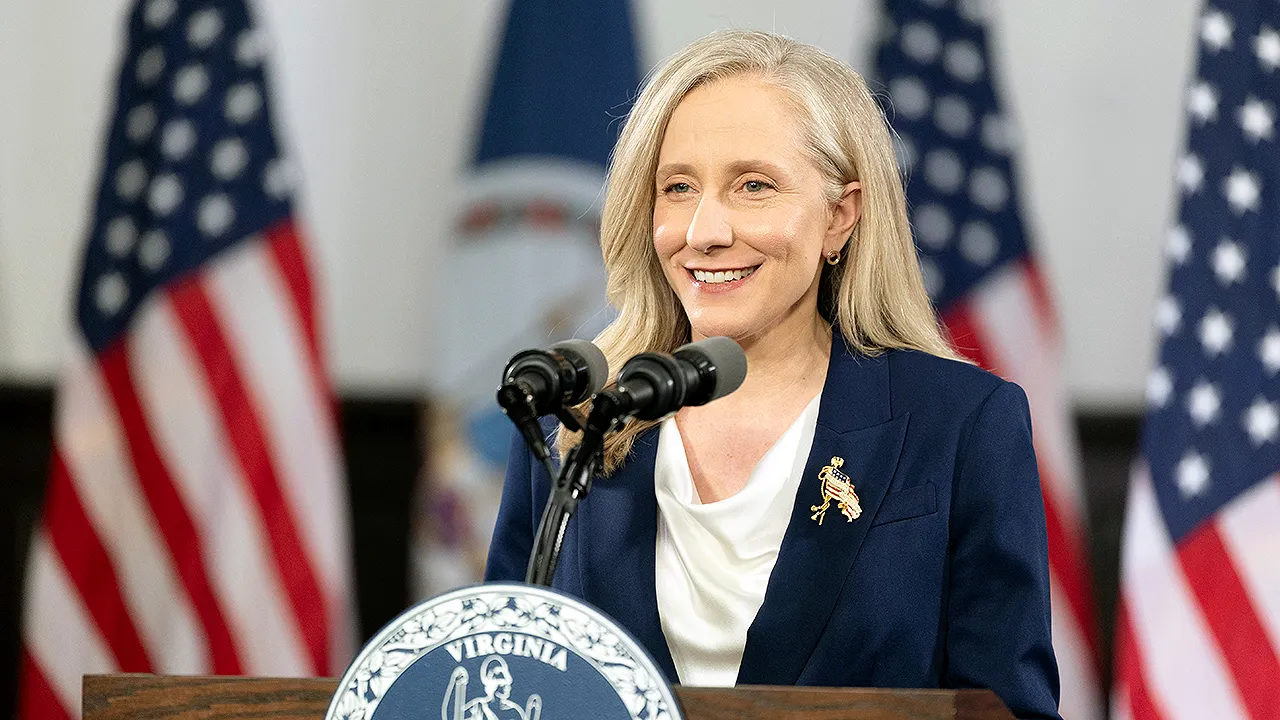
Governor Spanberger, who has positioned herself as a moderate Democrat, has not yet indicated whether she will sign the bill into law. Her decision will likely have significant implications for Virginia’s business community and could trigger a prolonged legal battle over the constitutionality of race-conscious government contracting.
Fact Checker
Verify the accuracy of this article using The Disinformation Commission analysis and real-time sources.

14 Comments
This bill seems to raise some thorny legal and ethical questions around affirmative action and equal protection. While increasing minority business participation is a worthy goal, the specific mechanisms proposed may face challenges. It will be interesting to see how the legal debate unfolds.
This is a challenging issue where reasonable people can disagree. I can see merits to the intent behind the bill, but the legal concerns raised are also valid. It will be crucial for the policy process to carefully weigh the tradeoffs and ensure any final legislation is constitutionally sound.
Interesting legislation, though the potential constitutional challenges are concerning. Boosting minority business participation in government contracting is laudable, but the specific means proposed here may be legally tenuous. I’ll be curious to see how this plays out.
Agreed, the legal analysis will be pivotal in determining the viability of this approach. These are complex issues without easy answers, so I hope the policymakers can find a balanced solution that withstands constitutional scrutiny.
An interesting and contentious piece of legislation. I can understand the motivations behind it, but the legal experts raise valid concerns about potential constitutional issues. This is a complex topic without easy answers, and I’ll be curious to see how it unfolds.
This is a complex and sensitive topic where reasonable people can disagree. While the intent behind the bill may be positive, the legal concerns raised about potential discrimination are valid and need to be carefully considered. I’ll be following this issue closely.
Absolutely, the constitutional implications are crucial. I hope the legislators can find ways to promote diversity in government contracting that are on solid legal footing. It’s a delicate balance, but an important one to get right.
I can understand the rationale behind this legislation, but the potential for constitutional issues is concerning. Achieving greater diversity in procurement is important, but the methods need to be carefully crafted to avoid unintended discrimination. This is a complex issue without easy answers.
Promoting diversity in government contracting is a worthwhile goal, but the specific mechanisms in this bill seem problematic from a legal standpoint. I hope the legislators can find alternative approaches that achieve the intended outcomes without running afoul of equal protection laws.
This is a sensitive and politically charged topic. I think reasonable people can disagree on the appropriate balance between promoting equity and avoiding unconstitutional preferential treatment. It will be crucial for the legal analysis to be rigorous and impartial.
As a supporter of equal opportunity, I can see merits to the intent behind this bill. However, the specific mechanisms do seem legally questionable. I hope the governor and legislators can find ways to boost minority business participation that are on firm constitutional footing.
Affirmative action policies are always contentious. While the intent behind this bill may be laudable, the legal experts raise valid concerns about potential constitutional issues. It will be interesting to see how the governor and legislators navigate this sensitive terrain.
This is a thorny issue without easy solutions. Increasing diversity in government contracting is a worthy goal, but the proposed approach raises valid concerns about potential discrimination. I’m curious to see how the legal challenges play out and what alternative approaches might emerge.
You raise a good point. This is a complex issue that requires balancing multiple important principles and interests. I agree the legal analysis will be crucial in determining the constitutionality of the specific policies.