


Listen to the article
Virginia Attorney General Reverses Course on Immigrant Tuition Lawsuit
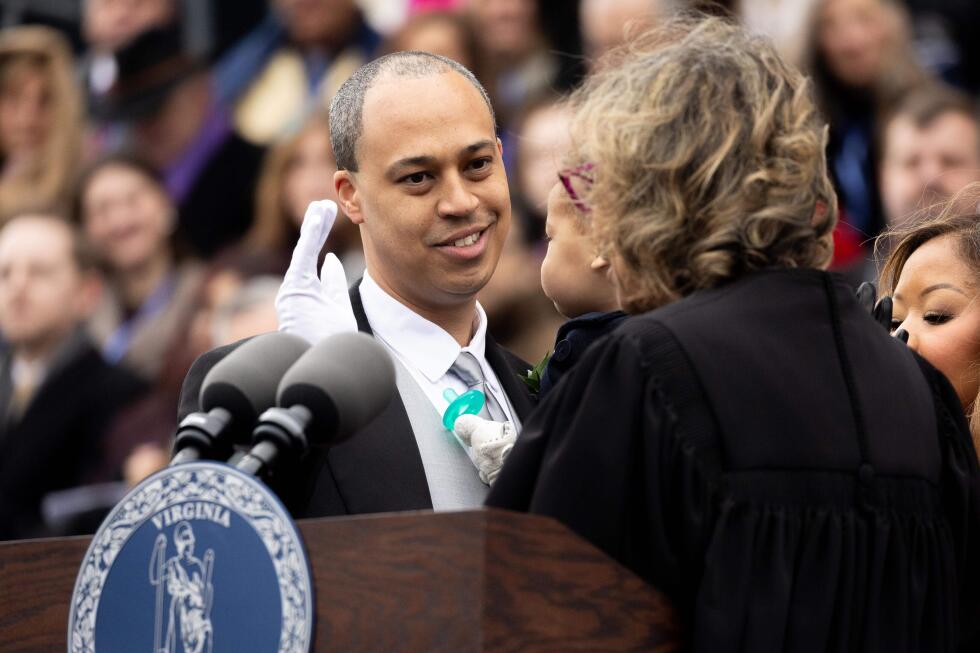
Newly elected Virginia Attorney General Jay Jones has made a decisive break from his predecessor’s stance on in-state tuition for undocumented immigrants, filing a motion Wednesday to withdraw from a federal lawsuit that sought to invalidate the Virginia Dream Act.
Jones, a Democrat who recently took office, moved to exit an agreement that former Attorney General Jason Miyares, a Republican, had made with the U.S. Department of Justice. The DOJ had challenged the Virginia law in the U.S. District Court for the Eastern District of Virginia on December 29, with Miyares joining the effort a day later to have the court declare the law invalid.
“On day one, I promised Virginians I would fight back against the Trump Administration’s attacks on our Commonwealth, our institutions of higher education, and most importantly – our students,” Jones said in a statement. “Virginians deserve leaders who will put them first, and that’s exactly what my office will continue to do.”
The DOJ declined to comment on Jones’ action when contacted by ARLnow, citing the ongoing litigation.
At the center of the dispute is the Virginia Dream Act of 2020, which allows undocumented immigrants to receive in-state tuition rates at Virginia’s public colleges and universities if they meet specific high school attendance requirements. The legislation was designed to make higher education more accessible to undocumented students who have spent their formative years in Virginia.
The Justice Department’s lawsuit alleges that the Virginia law discriminates against out-of-state U.S. citizens by providing benefits to undocumented immigrants that aren’t available to American citizens from other states.
“This is a simple matter of federal law: in Virginia and nationwide, schools cannot provide benefits to illegal aliens that they do not provide to U.S. citizens,” Attorney General Pam Bondi said when announcing the litigation. “This Department of Justice will not tolerate American students being treated like second-class citizens in their own country.”
The lawsuit is part of a broader campaign by the DOJ under the Trump administration, which has filed similar cases challenging in-state tuition laws for undocumented students in Texas, Kentucky, Illinois, Oklahoma, Minnesota, and California. The coordinated legal effort represents a significant challenge to state-level immigrant education policies across the country.
Following the initial consent judgment, several advocacy organizations stepped in to defend the Virginia law. The Legal Aid Justice Center, ACLU of Virginia, and Mexican American Legal Defense and Educational Fund all filed motions to intervene in the lawsuit.
Rohmah Javed, director of the Immigrant Justice Program at the Legal Aid Justice Center, emphasized the human impact of the case, saying, “These are Virginia students who grew up in the Commonwealth, graduated from our high schools, contribute to our communities, and made life-altering decisions for their futures relying on a state law that has existed for years. They are Virginians in every way that matters, and they deserve someone to stand up and fight for them.”
The case highlights the ongoing tension between state and federal authority on immigration-related matters. While education has traditionally fallen under state jurisdiction, the federal government maintains primary authority over immigration policy.
For Virginia’s public universities and community colleges, the outcome of this legal battle could have significant implications for enrollment, tuition revenue, and institutional planning. Many schools have already incorporated the Dream Act provisions into their admissions and financial processes since the law’s passage in 2020.
Jones’ decision to withdraw from the lawsuit represents one of his first major policy actions since taking office and signals a shift in how Virginia will approach immigration-related issues under his tenure as attorney general.
The case remains active in federal court, with no immediate timeline for resolution.
Fact Checker
Verify the accuracy of this article using The Disinformation Commission analysis and real-time sources.

10 Comments
This is an important issue that touches on immigration policy, educational access, and states’ rights. I’m curious to see how the courts navigate the competing interests and legal arguments.
The Virginia Dream Act seems aimed at expanding higher ed opportunities. The new AG’s stance puts students first, which is commendable, but the DOJ’s legal position also warrants consideration.
The Virginia Dream Act is an important policy that helps expand educational opportunities. I’m glad to see the new AG taking action to defend it against the DOJ’s challenge. Access to affordable higher ed should be a priority.
Kudos to the AG for standing up for students and immigrant rights. It will be interesting to see how the courts rule on this case.
This is a politically charged issue, but I respect the AG’s stance of putting students first. Ensuring access to in-state tuition for immigrant students seems like a reasonable policy objective.
I can understand the DOJ’s legal concerns, but the broader social and educational benefits of the Virginia Dream Act shouldn’t be overlooked.
Kudos to the AG for taking action to defend the Virginia Dream Act. Ensuring affordable access to college is crucial, regardless of immigration status. I hope the courts rule in favor of the students.
Interesting development in the debate over in-state tuition for immigrant students. The new AG’s stance seems aimed at supporting access to higher education, even for undocumented individuals. I’m curious to see how the legal battle unfolds.
This is a complex issue with valid arguments on both sides. I appreciate the AG’s focus on putting students first, but the DOJ’s position also merits consideration.
The new AG’s move to withdraw from the DOJ lawsuit is a bold step. While the legal merits will be debated, I appreciate the focus on supporting students and educational opportunities for all.