


Listen to the article
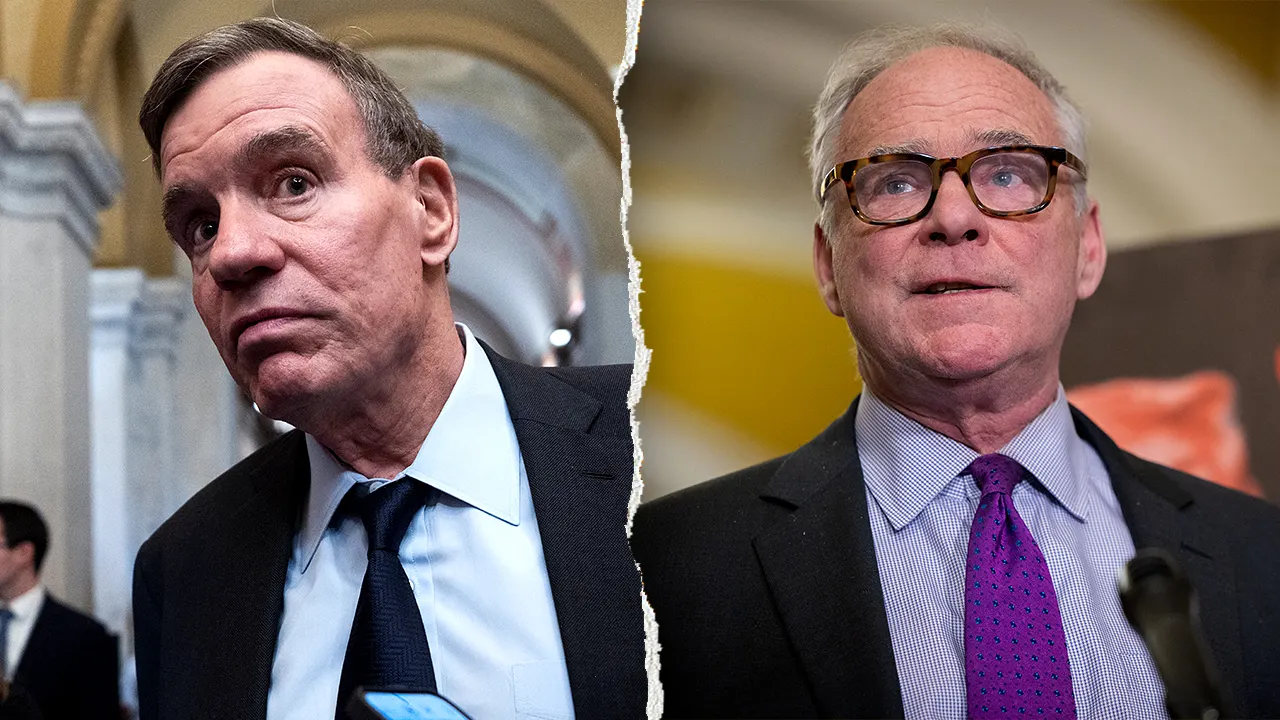
Virginia’s Democratic senators are standing firm against funding the Department of Homeland Security without reforms, despite recent violent incidents in their state with potential national security implications.
Senators Mark Warner and Tim Kaine continue to vote with Senate Minority Leader Chuck Schumer and fellow Democrats against Republican attempts to reopen DHS, insisting on substantial reforms to Immigration and Customs Enforcement (ICE) and Customs and Border Protection (CBP).
The debate has intensified following a deadly shooting at Old Dominion University (ODU) that the FBI is investigating as an act of terrorism. The alleged shooter, Mohamed Bailor Jalloh, was identified as a former Army National Guard member previously convicted of supporting ISIS. The incident left one person dead and two others wounded.
Senator Kaine defended the Democratic position, stating they have repeatedly attempted to fund specific components of DHS through targeted legislation. “Senate Democrats have repeatedly moved to fund — and Senate Republicans have repeatedly blocked — TSA, CISA, the Coast Guard and other entities within DHS that help keep us safe,” Kaine said in a statement.
Senator Warner expressed sorrow for the loss of Lt. Col. Brandon A. Shah in the ODU shooting while praising the students who subdued the attacker. However, Warner directed criticism at FBI Director Kash Patel, questioning “how the FBI lost track of a known, convicted terrorist sympathizer who was then able to get his hands on a gun and murder an American citizen.”
Warner specifically raised concerns about Patel’s leadership, suggesting that “mass firings of experienced FBI agents and counterterrorism experts” may have left Americans more vulnerable to threats.
The standoff over DHS funding comes amid heightened concerns about potential terrorist activities following Operation Epic Fury in Iran. Senate Republicans have been warning about the necessity of reopening the department to address these security risks.
In a separate but related incident affecting Virginia, the senators also criticized ICE’s handling of Abdul Jalloh, an undocumented immigrant charged with the murder of Virginia resident Stephanie Minter earlier this year. Despite having accumulated approximately 30 arrests since 2014, Jalloh had not been deported.
When questioned about whether Virginia counties should have cooperated with ICE to detain Jalloh, Senator Kaine shifted responsibility back to the federal agency. “How about ICE cooperating with counties?” Kaine countered. “ICE had this guy repeatedly and let him go. And so should counties do more? Yeah, but what about ICE? Why would ICE, beginning in, like, 2017, 2018 — and that was during Trump’s presidency — not take cases like this seriously?”
Senator Warner similarly acknowledged the tragedy of Minter’s murder, stating, “No one can doubt the fact that somebody who has been arrested 30 times should not be in this country.”
The ongoing impasse over DHS funding highlights the deep partisan divide on immigration and border security issues, even as both parties express concern about national security threats. Democrats continue to push for reforms they deem necessary to the immigration enforcement system, while Republicans emphasize the urgent need to fully fund homeland security operations.
As the deadlock persists, agencies within DHS continue operating under limited funding, raising questions about the department’s ability to effectively monitor and respond to evolving security threats both foreign and domestic.
Fact Checker
Verify the accuracy of this article using The Disinformation Commission analysis and real-time sources.

11 Comments
This is a complex issue where emotions are running high. While I respect the Democratic push for reforms, I also worry that political posturing could compromise critical security functions. A balanced, evidence-based approach is needed.
The ODU shooting is deeply concerning, and I hope the investigation sheds light on how to prevent such tragedies in the future. At the same time, I appreciate the Democrats’ efforts to ensure immigration enforcement is humane and effective.
The ODU shooting is truly tragic, and my condolences go out to the victims and their families. I can understand the desire for tough security measures, but we must also address the root causes and ensure fair, humane immigration policies.
This is a high-stakes debate with valid arguments on both sides. While security must be the top priority, the Democrats’ push for reforms also seems reasonable given the complexities of immigration policy. I hope cooler heads can prevail and find a path forward.
The Democrats’ stance on DHS funding seems principled, but I worry that political brinkmanship could jeopardize critical security functions. I hope the parties can find a way to address both security concerns and the need for immigration reform.
The alleged shooter’s background raises concerning questions about gaps in security and intelligence-sharing. However, the Democratic stance on DHS reforms also seems reasonable. I hope both parties can come together to find a balanced solution.
Agreed, this is a delicate balance that requires nuance and compromise from all stakeholders. Partisan gridlock helps no one when public safety is at stake.
I’m curious to hear more details on the specific reforms the Democrats are seeking and how they believe those changes would improve security outcomes. It’s important to find solutions that protect both public safety and civil liberties.
Agreed, the details will be crucial in evaluating the merits of the Democratic proposals. Open and honest dialogue between the parties is essential to finding a workable compromise.
This is a complex issue with valid concerns on both sides. While security is paramount, reforms to immigration enforcement are also critical. It will be interesting to see how this debate unfolds and what compromises may emerge.
This is a delicate balance that requires nuance and compromise. While the Democrats’ reform proposals merit consideration, I’m concerned that political gridlock could undermine essential security capabilities. An evidence-based, bipartisan approach is needed.