


Listen to the article
In a controversial move that has intensified political tensions in Virginia, a top Democratic congressman has candidly acknowledged that his party’s redistricting effort is primarily aimed at thwarting former President Donald Trump rather than ensuring equitable representation for Virginians.
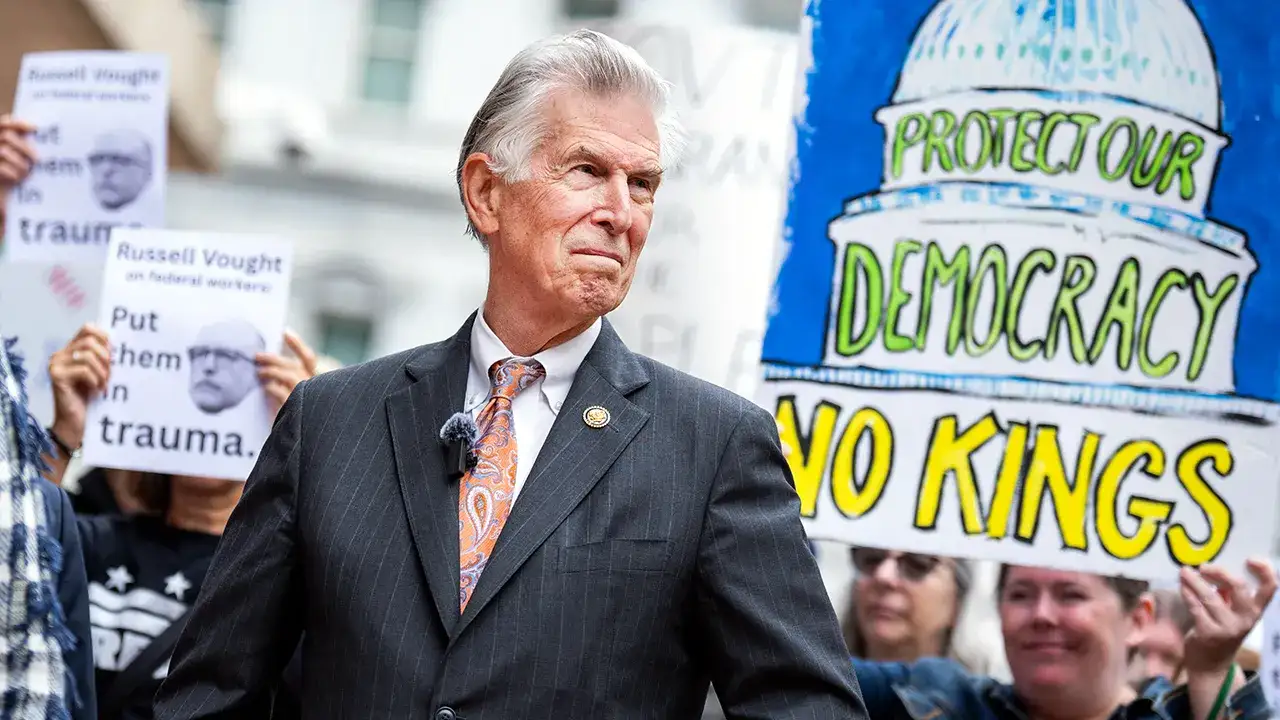
Rep. Donald Beyer, a Democrat representing Alexandria and parts of Fairfax County, made remarks to NBC News suggesting the redistricting referendum scheduled for April is strategically designed to help Democrats regain control of the U.S. House of Representatives.
“Even though this seems unfair in Virginia, it’s totally fair for America, for those of us who believe that taking back the House is the most significant thing we can do to stop Donald Trump,” Beyer told NBC News while discussing early voting figures that appeared to favor Republicans.
The referendum, drafted by the Democratic majority in Richmond, would empower the General Assembly to redraw Virginia’s congressional districts. Critics allege the proposed map would effectively eliminate four of the state’s five Republican congressional districts by connecting densely populated, heavily Democratic areas in Northern Virginia with more conservative regions throughout the commonwealth.
Virginia House Minority Leader Terry Kilgore, R-Gate City, quickly seized on Beyer’s comments, telling Fox News Digital: “Don said the quiet part out loud. This is manifestly unfair for the Commonwealth of Virginia. We’re a 51-49 state, not a 90-10 state.”
Senate Minority Leader Ryan McDougle, R-Hanover, echoed this sentiment, describing the redistricting initiative as “another partisan power grab” disguised as fairness.
According to analysis of the proposed map published by the Virginia Mercury, five of Virginia’s eleven congressional districts would originate in Arlington or Fairfax counties before extending into traditionally conservative areas. One particularly contentious district has been ridiculed for resembling a lobster or scorpion, beginning at the Potomac River before winding southwest through Democratic suburbs and then splitting to encompass rural counties near West Virginia and areas west of Richmond.
The only Republican congressman expected to maintain a safe seat under the new map is Rep. Morgan Griffith, who represents Virginia’s far southwestern region. Rep. Jennifer Kiggans’ currently competitive district in the Eastern Shore and Hampton Roads area would likely become more Democratic-leaning under the proposed changes.
Rep. Ben Cline, a Republican whose Shenandoah Valley district would be divided into several parts under the new map, criticized the plan sharply. “Representative Beyer said the quiet part out loud. This isn’t about fairness, transparency, or representing Virginians,” Cline told Fox News Digital. “It’s about political power and Democrats’ determination to rig the map to ‘take back the House.'”
The referendum text asks voters whether Virginia’s constitution should be amended to allow the General Assembly to temporarily adopt new congressional districts to “restore fairness” in upcoming elections. This phrasing has become a flashpoint for critics who argue it misrepresents the proposal’s true partisan intent.
As early voting proceeds, yard signs urging voters to reject the referendum have appeared in several Republican-leaning counties threatened by the proposed changes, including Culpeper, Shenandoah, Highland, Orange, and Page. Meanwhile, signs supporting the measure have been spotted in Clarke and suburban Prince William counties.
The redistricting battle in Virginia reflects a broader national trend of partisan gerrymandering, where both parties have engaged in redrawing districts to maximize their electoral advantages. However, Beyer’s candid admission has provided Republicans with ammunition to characterize this particular effort as nakedly partisan rather than a genuine attempt to create fair representation.
Governor Abigail Spanberger, a moderate Democrat who previously criticized gerrymandering, has not yet commented on Beyer’s remarks, leaving questions about whether the party’s leadership is unified behind the redistricting strategy.
Fact Checker
Verify the accuracy of this article using The Disinformation Commission analysis and real-time sources.

6 Comments
While I understand the desire to limit Trump’s influence, the Democratic congressman’s open acknowledgment that this redistricting plan is politically motivated is quite troubling. Voters deserve fair representation.
Redistricting is a delicate issue that requires balance and objectivity. Efforts that appear to unfairly advantage one party over another are concerning, regardless of the political affiliation involved.
Interesting that a Democrat is openly acknowledging the political motivations behind this redistricting plan. Transparent partisanship like this erodes public trust in the political process.
I agree, it’s concerning when elected officials prioritize partisan gains over fair elections. Virginia voters should have a say in how their districts are drawn.
This redistricting effort seems highly partisan and not focused on fair representation. While I understand the desire to limit Trump’s influence, that shouldn’t come at the expense of democratic principles.
This is a complex issue, but the congressman’s candid admission that the redistricting is aimed at thwarting Trump rather than ensuring fairness is worrying. Voters should have confidence in the integrity of the electoral process.