


Listen to the article
As the United States marks more than two decades since the start of the post-9/11 wars, a new film is turning its focus away from the battlefield and toward the long-term challenges many veterans face after returning home.
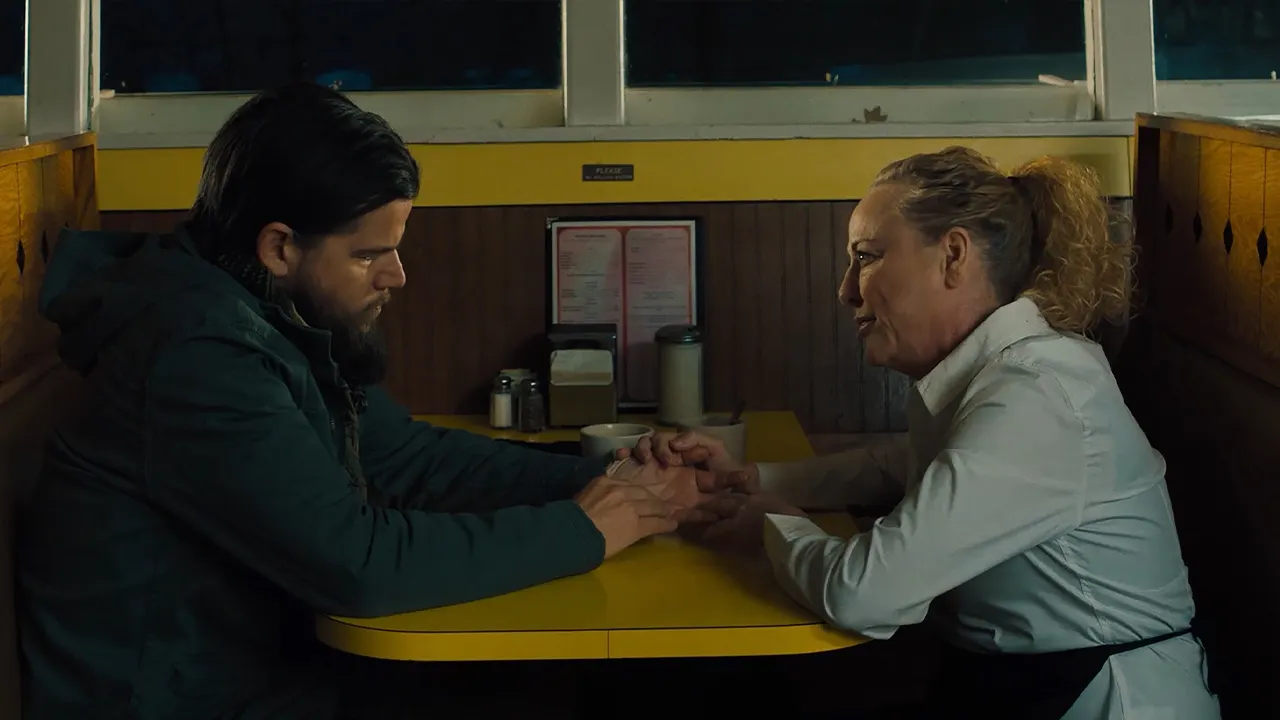
“Sheepdog,” written, directed by and starring Steven Grayhm, centers on an Army combat veteran navigating life years after his last deployment. The film avoids depicting combat itself, instead focusing on mental health struggles, strained relationships and the difficulty of reintegrating into civilian communities.
The film debuts in theaters Friday, representing the culmination of more than a decade of research and preparation by Grayhm, who immersed himself in veterans’ experiences before bringing the story to screen.
“When someone opens up to you about the most intimate details of their life that they may not have shared with their spouse, let alone a therapist, you carry great reverence, respect, but also responsibility,” Grayhm told Fox News Digital.
The filmmaker’s journey began after a chance encounter in 2011 with a tow truck driver who shared his struggles tied to military service. That conversation inspired Grayhm to travel across the country, listening to veterans and families describe their lives after war – stories that would eventually shape the film’s narrative.
Unlike many war films that focus on battlefield heroics, “Sheepdog” examines the often-overlooked aftermath of military service. The approach comes at a critical time when veteran mental health continues to be a significant public health concern. According to Department of Veterans Affairs data, approximately 17 veterans die by suicide each day in the United States, highlighting the ongoing need for greater awareness and support systems.
The film has already received positive feedback from veterans across generations who have participated in early screenings. “Having Vietnam veterans stand up in front of a full auditorium, and in tears saying, ‘You guys nailed it,'” Grayhm said. “To have OIF and OEF veterans say, ‘I wish I had this film 10 years ago to show my family why I am the way I am,'” he added, referring to veterans who served in Operation Iraqi Freedom and Operation Enduring Freedom in Iraq and Afghanistan.
Actor Dominic Fumusa, who plays a police officer and former coach who remains involved in the veteran’s life, emphasized the film’s timeliness and relevance.
“This film feels more important and more immediate and urgent than a lot of those did,” Fumusa said. “It deals directly with how our veterans are challenged upon their return from battle.”
Fumusa noted that the story highlights the critical role families, first responders and local communities play in helping veterans adjust to civilian life. “It really does take a team, it takes a village, it takes a community,” he said.
The film also features Virginia Madsen, known for her role in “Sideways,” adding star power to a production that aims to change the conversation about veteran reintegration.
Grayhm is careful to position “Sheepdog” as more than just another examination of trauma. “This film is not a post-traumatic stress movie,” he emphasized. “It’s so important to highlight post-traumatic growth.” This distinction represents a shift in how veteran stories are told, focusing on resilience and recovery rather than solely on hardship.
The film arrives at a moment when many post-9/11 veterans are now years or even decades removed from their service, navigating long-term reintegration challenges that extend far beyond the immediate return home. Organizations working with veterans have increasingly emphasized the importance of community support systems and destigmatizing mental health treatment.
As “Sheepdog” opens nationwide, Grayhm hopes it will prompt more meaningful interactions between civilians and veterans. “Perhaps rather than ‘thank you for your service,’ simply, ‘How are you doing?'” he suggested.
The film represents a growing trend in veteran-focused storytelling that prioritizes authentic representation of the military experience, particularly the challenges that arise after deployment ends. By focusing on the “after” rather than the combat itself, “Sheepdog” aims to bridge the civilian-military divide and foster greater understanding of the ongoing challenges faced by those who have served.
Fact Checker
Verify the accuracy of this article using The Disinformation Commission analysis and real-time sources.

20 Comments
Avoiding combat depictions and instead focusing on the nuances of post-war life is a smart choice for this film. Those day-to-day challenges are often overlooked but can be just as profound for veterans and their families.
That’s a great point. Depicting the more personal, emotional impacts of military service rather than just the battlefield action can make for a much more meaningful and impactful portrayal.
It’s admirable that the filmmaker immersed himself in veterans’ experiences to authentically depict their struggles. Shining a spotlight on these complex issues through film can really make a difference in raising awareness and driving change.
Kudos to the director for taking the time to deeply understand the veteran experience before bringing this story to screen. That kind of dedication is crucial for creating impactful, nuanced portrayals.
Avoiding depictions of combat and instead focusing on the long-term challenges veterans face seems like a wise choice for this film. Those day-to-day struggles are just as critical to understand and address.
Agreed. Showcasing the complex realities of life after deployment, rather than just the battlefield action, is an important approach that can yield powerful insights.
I’m glad to see a filmmaker taking the time to deeply understand veterans’ experiences before bringing their stories to the screen. That kind of thoughtful, immersive approach is so valuable for creating authentic, impactful art.
Absolutely. By truly listening to and learning from the veterans themselves, this director can create a film that resonates and sheds light on the real-life challenges they face. That level of care and respect is crucial.
The post-9/11 wars have taken a huge toll on so many service members and their families. I’m interested to see how this film explores the long-term impacts beyond the battlefield that veterans often face.
You’re right, the struggles of reintegrating into civilian life after deployment can be immense and often overlooked. I hope this film helps shine a light on that critical issue.
This film sounds like an important exploration of the challenges many veterans face when returning home. It’s crucial that we shed light on these issues and provide support for those who have served our country.
I’m glad to see this story being told. Reintegrating into civilian life after combat can be extremely difficult, and we need more understanding and resources for veterans struggling with mental health, relationships, and other post-war challenges.
The post-9/11 wars have taken an enormous toll, and it’s important that we continue to shine a light on the struggles veterans face, both during and long after their service. This film sounds like an important contribution to that effort.
You’re right. Providing more understanding and support for veterans dealing with the lasting impacts of their service is so critical. Films like this that humanize those experiences can make a real difference.
This director’s dedication to truly understanding veterans’ experiences before bringing their stories to the screen is admirable. That kind of thoughtful, immersive approach is so valuable for creating meaningful, impactful art.
Absolutely. Taking the time to listen to and learn from veterans themselves is crucial for authentically depicting their challenges and struggles on film. That level of care and respect really comes through.
Mental health support and resources for veterans are so important but often lacking. I’m glad to see a film tackling these sensitive topics with care and respect for the experiences of those who have served.
Absolutely. Providing effective, compassionate assistance for veterans’ mental health and overall wellbeing needs to be a top priority. Films like this can play a vital role in raising awareness and driving change.
It’s great to see a film tackling the complex, long-term impacts of military service on veterans’ mental health, relationships, and reintegration. These are issues that deserve more attention and understanding.
Agreed. Shining a light on the real-life struggles many veterans face after returning home is so important. Hopefully this film can help drive more resources and support for this underserved community.