


Listen to the article
In a significant policy shift, the Trump administration announced Thursday it will ease sanctions on Venezuela’s oil industry, aiming to boost production following the recent capture of dictator Nicolás Maduro. This move represents a major development in U.S.-Venezuela relations and could reshape the South American nation’s economic future.
The U.S. Treasury issued new authorizations allowing certain transactions with Venezuela’s government and state-owned oil company PdVSA. American companies can now engage in activities “ordinarily incident and necessary” to handling Venezuelan oil, including lifting, exporting, marketing, purchasing, and refining operations.
However, the policy contains important limitations. Sanctions remain fully in force for entities from Russia, Iran, North Korea, and Cuba. The exemptions also exclude transactions involving blocked vessels, Chinese-owned or controlled entities operating in Venezuela or the U.S., debt swaps, gold payments, and cryptocurrency transactions, including Venezuela’s petro digital currency.
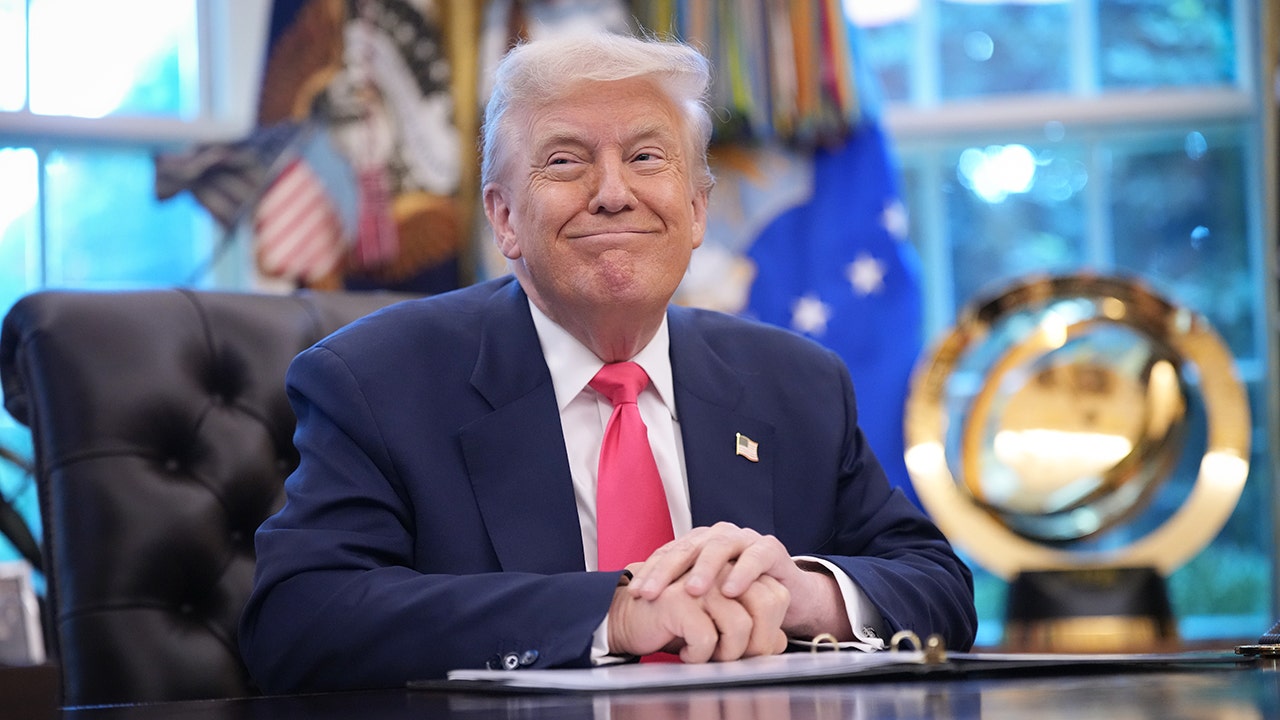
During a cabinet meeting Thursday, President Donald Trump emphasized the economic opportunities this policy creates. “We have the major oil companies going to Venezuela now, scouting it out and picking their locations,” Trump said. “They’ll be bringing back tremendous wealth for Venezuela and for the United States, and the oil companies will do fine too.”
The president also announced the reopening of Venezuelan commercial airspace to U.S. air carriers. This follows the Federal Aviation Administration’s earlier emergency notice this month that had blocked civil flight operations by U.S. aircraft over Venezuela. “American citizens will be very shortly able to go to Venezuela, and they’ll be safe there,” Trump assured. “It’s under very strong control.”
In a parallel development reflecting the changing landscape in Venezuela, the country’s government approved legislation opening its oil sector to privatization. Acting President Delcy Rodríguez signed the reform into law Thursday, marking a dramatic reversal of a core principle that has defined Venezuela’s socialist movement for more than two decades.
Venezuela possesses the world’s largest proven oil reserves, estimated at nearly 300 billion barrels, surpassing even Saudi Arabia. However, years of mismanagement, lack of investment, and corruption under the Maduro regime have devastated production capacity. Output has plummeted from approximately 3.2 million barrels per day in the late 1990s to less than 800,000 barrels per day in recent years.
Energy analysts suggest that with proper investment and technical expertise, Venezuela could potentially double its current production within 24-36 months. This would have significant implications for global oil markets, potentially helping to moderate prices if production increases substantially.
The policy shift comes as the U.S. seeks to help stabilize Venezuela following Maduro’s capture. The country has endured years of political turmoil, economic collapse, and humanitarian crisis that has driven approximately 7 million Venezuelans to flee their homeland.
Major international oil companies, including Chevron, ExxonMobil, and ConocoPhillips, once had significant operations in Venezuela before nationalizations and political tensions reduced their presence. These companies may now evaluate opportunities to expand operations in the country, though many will likely proceed cautiously given the history of political instability.
The sanctions relief represents a pragmatic approach by the Trump administration, balancing geopolitical concerns with economic opportunities. By maintaining restrictions on transactions with entities from countries like Russia and China, the U.S. appears to be working to limit those nations’ influence in Venezuela while promoting American business interests.
As Venezuela begins its tentative transition, the coming months will reveal whether these policy changes can help revitalize the country’s crucial oil sector and contribute to broader economic recovery.
Fact Checker
Verify the accuracy of this article using The Disinformation Commission analysis and real-time sources.

14 Comments
This is a significant shift in the US approach to Venezuela. Easing oil sanctions could boost the country’s battered economy, but the policy retains important restrictions. It will be interesting to see how global oil markets and geopolitics evolve as a result of this change.
Interesting move by the US to ease Venezuela oil sanctions. It could boost production and reshape the country’s economy, though the policy still has limitations. I wonder how this will impact global oil markets and relations with Russia, Iran, etc. who remain under sanctions.
Agreed, the policy shift seems nuanced and will require careful monitoring. It will be important to see how Venezuela’s state-owned oil company responds and if production increases as a result.
The capture of Maduro appears to be a key factor behind this policy change. Reducing sanctions could open up economic opportunities, but concerns remain around excluded entities and transactions. This will be an important development to watch closely in the coming months.
You raise a good point. The exclusions and limitations in the policy will be critical in determining its real-world impact. It’s a delicate balancing act for the US administration.
This is an intriguing development in US-Venezuela relations. Easing oil sanctions could provide an economic boost, but the policy still retains key restrictions. It will be worth watching how this affects global oil markets and the broader geopolitical landscape in the region.
The capture of Maduro appears to be a key factor behind this policy shift. While easing sanctions could open up economic opportunities for Venezuela, the continued restrictions on certain entities suggest a measured approach. It will be interesting to see how this plays out in terms of oil production and exports.
Agreed, the nuanced nature of the policy indicates the US is trying to balance multiple considerations. The impact on global oil markets and geopolitics in the region will be an important story to follow.
This is an intriguing development in US-Venezuela relations, with the easing of oil sanctions potentially providing an economic boost for the country. However, the continued restrictions on certain entities suggest a cautious approach by the administration. It will be worth watching how this affects global oil supply and dynamics, as well as the broader geopolitical landscape in the region.
The decision to ease Venezuela oil sanctions represents a significant shift in US policy. While it could create economic opportunities, the selective nature of the relief indicates the administration is trying to balance various interests and concerns. I’m curious to see how this impacts oil production and exports, as well as the broader geopolitical landscape.
Absolutely, the nuanced approach taken by the US suggests they are trying to thread a careful needle here. The implications for global oil markets and regional dynamics will be an important story to follow in the coming months.
This is a notable development in US-Venezuela relations, with the easing of oil sanctions potentially providing an economic boost for the country. However, the continued restrictions on certain entities suggest a cautious approach. It will be worth monitoring how this affects global oil supply and dynamics.
The decision to ease Venezuela oil sanctions is a notable policy shift by the US. While it creates economic opportunities, the continued sanctions on Russia, Iran, and others suggest a cautious approach. I’m curious to see how this plays out in terms of global oil supply and dynamics.
Yes, the selective nature of the sanctions relief indicates the US is trying to balance various interests and concerns. It will be important to monitor how this impacts Venezuela’s oil production and exports in the coming months.