


Listen to the article
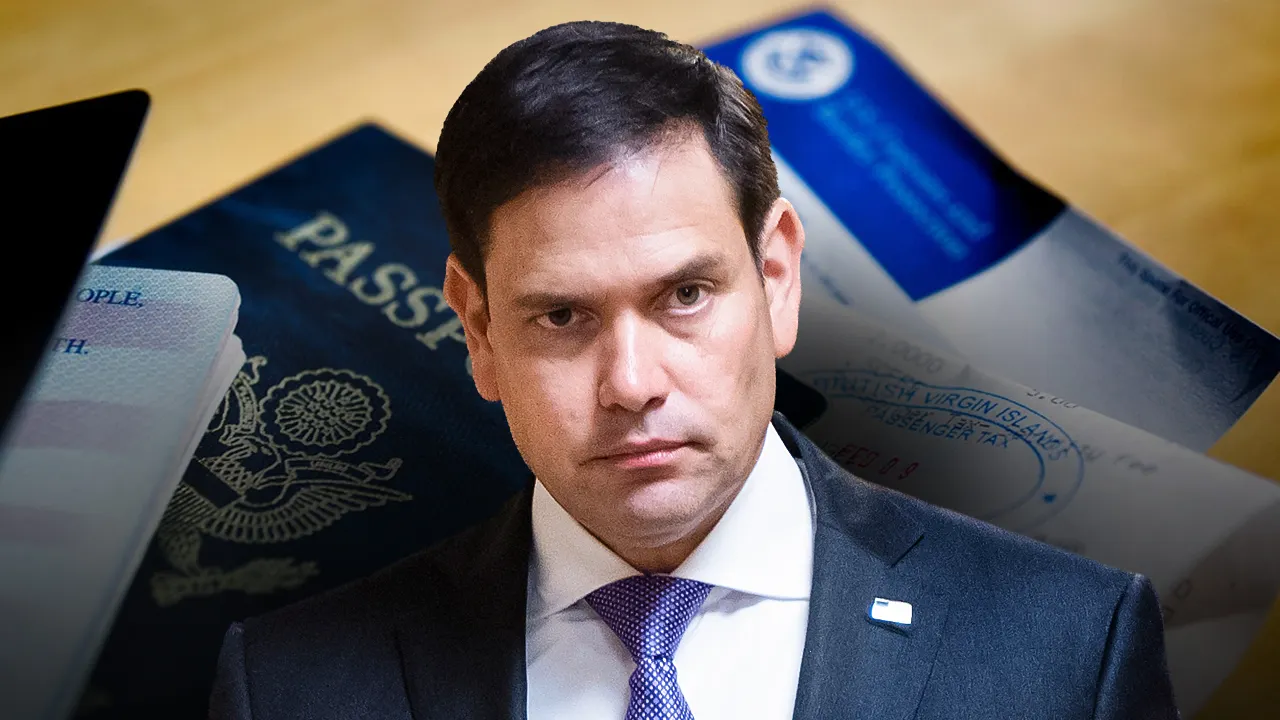
The State Department announced a sweeping pause on visa processing for 75 countries, citing the need to strengthen screening measures for applicants who might become dependent on public benefits. The indefinite suspension, set to begin January 21, marks a significant tightening of immigration procedures under the “public charge” provision of existing law.
According to a State Department memo obtained exclusively by Fox News Digital, consular officers are directed to refuse visas while the department reassesses its vetting protocols. The affected nations span multiple continents and include Somalia, Russia, Afghanistan, Brazil, Iran, Iraq, Egypt, Nigeria, Thailand, and Yemen.
“The State Department will use its long-standing authority to deem ineligible potential immigrants who would become a public charge on the United States and exploit the generosity of the American people,” State Department spokesperson Tommy Piggott said in a statement. He added that immigration from these countries would remain paused during the procedural reassessment period.
The decision follows heightened scrutiny of Somalia in particular, where federal officials have been investigating a massive fraud scandal centered in Minnesota involving taxpayer-funded benefit programs. Many individuals implicated in the scheme are reportedly Somali nationals or Somali-Americans.
This pause represents a significant expansion of screening measures that began in November 2025, when the State Department instructed consular officers worldwide to implement more rigorous screening under the public charge rule. That guidance directed officials to evaluate multiple factors including health, age, English proficiency, financial resources, and potential need for long-term medical care.
Under these more stringent guidelines, visa applicants who are older or overweight could face denial, as could those with any history of using government cash assistance or institutionalization. The State Department has indicated that exceptions to this pause will be “very limited” and only granted after an applicant has successfully cleared public charge considerations.
The public charge provision has existed in U.S. immigration law for decades, but its enforcement has varied significantly across different administrations. Historically, consular officers have been given considerable discretion in applying these standards.
This shift represents a marked departure from the Biden administration’s 2022 interpretation of the rule, which had narrowed the scope of benefits considered in public charge determinations. That version primarily focused on cash assistance and long-term institutional care, explicitly excluding programs like the Supplemental Nutrition Assistance Program (SNAP), the Women, Infants, and Children (WIC) nutrition program, Medicaid, and housing vouchers.
The current approach more closely resembles the Trump administration’s 2019 expansion of public charge criteria, which broadened the definition to include a wider range of public benefits. That expansion faced legal challenges, with portions eventually blocked by courts before being rescinded entirely when the Biden administration took office.
Immigration experts note that this visa pause could significantly impact global mobility patterns and diplomatic relations with the affected nations. For thousands of visa applicants from these 75 countries, travel plans now face indefinite uncertainty as the State Department conducts its comprehensive review of screening procedures.
The move comes amid broader efforts to tighten immigration controls and prevent potential abuse of public benefit systems. Critics argue the measure may unfairly impact legitimate travelers and immigrants, while supporters maintain it represents a necessary step to protect American taxpayers and ensure incoming visa holders can support themselves financially.
Fact Checker
Verify the accuracy of this article using The Disinformation Commission analysis and real-time sources.

10 Comments
Interesting move by the US to suspend visa processing in 75 countries. I wonder if this is a temporary measure to strengthen screening or part of a broader immigration policy shift. It will be important to understand the rationale and potential impacts on affected individuals and countries.
Agreed, the details and reasoning behind this decision will be critical. Tightening immigration procedures is a complex issue that requires careful consideration of security, economic, and humanitarian factors.
The decision to suspend visas for Somalia is particularly noteworthy given the ongoing security challenges in the region. I wonder how this will impact humanitarian efforts and development work there.
Absolutely, the implications for Somalia are concerning. Visa restrictions could hamper the ability of aid organizations, NGOs, and international partners to operate effectively in the country, which could exacerbate existing challenges.
The public charge provision seems to be the key driver here. I’m curious to learn more about how this policy is being interpreted and implemented, and whether there are concerns about potential unintended consequences.
Yes, the public charge rule is certainly a contentious issue. It will be important for the State Department to provide clear guidance and ensure fair and consistent application of the policy.
As someone with an interest in mining and energy, I’m curious to see how this visa suspension might affect the movement of skilled workers and specialists in those industries, particularly in the affected countries.
That’s a great observation. The mining and energy sectors rely heavily on international talent and collaboration. Any disruptions to visa processing could have significant operational and economic impacts that warrant close monitoring.
This move appears to target a diverse set of countries, including some with complex geopolitical dynamics like Russia and Iran. I wonder how this will impact diplomatic relations and cooperation on other fronts.
Good point. The broader foreign policy implications of this decision should not be overlooked. Effective communication and coordination will be crucial to mitigate potential tensions.