


Listen to the article
In a controversial expansion of its anti-drug trafficking operations, the U.S. Southern Command (SOUTHCOM) conducted another lethal strike on a vessel in international waters, resulting in one confirmed death. The attack, carried out on December 22 under the direction of War Secretary Pete Hegseth, targeted what officials described as a “low-profile vessel operated by Designated Terrorist Organizations.”
“Intelligence confirmed the low-profile vessel was transiting along known narco-trafficking routes in the Eastern Pacific and was engaged in narco-trafficking operations,” SOUTHCOM stated in a social media post that included footage of the strike. The announcement confirmed one male casualty and noted that no U.S. military personnel were harmed during the operation.
The attack marks the latest in a series of controversial maritime strikes authorized by President Donald Trump’s administration, which has adopted increasingly aggressive tactics against suspected drug trafficking vessels. These operations are being conducted by Joint Task Force Southern Spear, a specialized unit under SOUTHCOM’s command structure.
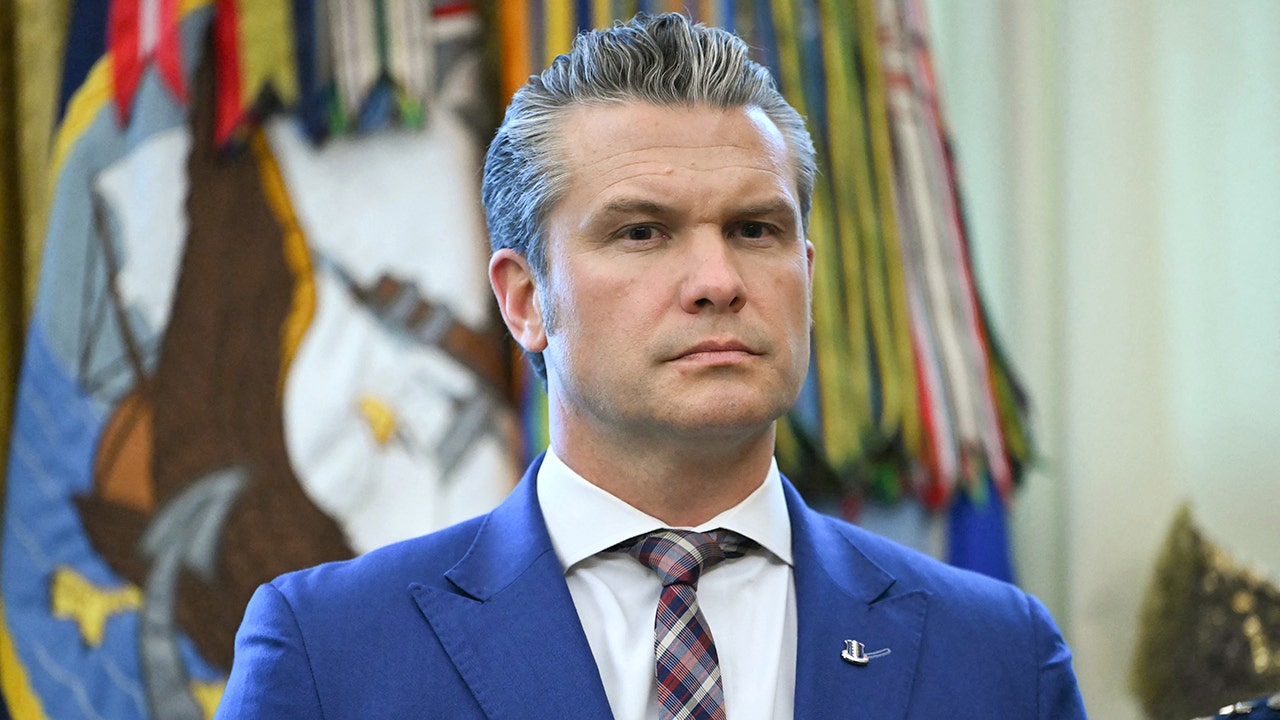
War Secretary Hegseth, who personally shared SOUTHCOM’s announcement on his social media account, has been a prominent defender of the administration’s aggressive approach to combating drug trafficking. The Trump administration has framed these operations as necessary measures to disrupt the flow of narcotics into the United States.
The maritime strikes represent a significant shift in U.S. counter-narcotics strategy, moving from interdiction and seizure operations to direct kinetic attacks. The administration has labeled the targets as “narco-terrorists,” a designation that blurs the line between law enforcement and military operations.
In comments made Monday, President Trump indicated plans to expand these operations beyond maritime targets. “And soon we’ll be starting the same program on land. The land is much easier,” Trump stated, claiming that each vessel targeted in these operations has prevented thousands of potential drug overdose deaths in the United States.
The expansion of these operations to land-based targets would represent a major escalation in the administration’s approach to combating drug trafficking. Such a move would likely raise significant legal questions about the use of military force in what has traditionally been handled as a law enforcement matter.
Critics of the administration’s approach have raised concerns about due process, the potential for civilian casualties, and questions about whether the military should be employed in what has historically been a law enforcement role. Human rights organizations have called for greater transparency regarding the intelligence used to identify targets and the protocols in place to prevent mistaken attacks.
The Eastern Pacific has long been a critical corridor for drug trafficking organizations moving narcotics from South America toward the United States. Colombian and Mexican cartels have increasingly used semi-submersible vessels, often called “narco-submarines,” to evade detection while transporting cocaine and other drugs northward.
The current approach represents a departure from previous administrations, which primarily relied on the Coast Guard and partner nations to interdict suspicious vessels, seize contraband, and arrest suspects for prosecution. The shift toward “lethal kinetic strikes” signals a more militarized approach to the drug war.
As the Trump administration continues to pursue this strategy, questions remain about its effectiveness, legality, and potential diplomatic implications. The announced plans to extend similar operations to land targets suggests an even more significant shift in how the United States conducts counter-narcotics operations, potentially blurring the lines between military operations and law enforcement even further.
Fact Checker
Verify the accuracy of this article using The Disinformation Commission analysis and real-time sources.

8 Comments
Interesting operation against suspected drug trafficking. While aggressive tactics may be necessary, it’s important to ensure proper intelligence and due process to avoid unintended casualties or escalation.
Agreed, the details here seem concerning. More transparency around the targeting and rules of engagement would help assess the legality and necessity of such strikes.
This is a complex issue without easy solutions. Combating drug trafficking is important, but the use of lethal force must be very carefully considered. I hope there is thorough oversight and accountability for these operations.
Yes, the legal and ethical considerations around this are critical. Striking vessels in international waters raises challenging jurisdictional questions that require robust justification.
The details around this strike are concerning. More transparency is needed to ensure these operations are truly justified and conducted in full compliance with international law. Overreach could have serious diplomatic and humanitarian consequences.
Combating the global narcotics trade is essential, but the use of lethal force in this manner raises major ethical questions. Thorough investigation and justification are critical to upholding the rule of law.
Agreed. The legality and necessity of these strikes must be rigorously scrutinized to avoid abuse of power and unintended harm.
Expanding maritime interdiction against suspected drug traffickers is a risky strategy. While the goal is understandable, these operations could easily lead to unintended escalation or civilian casualties. Caution and oversight are paramount.