


Listen to the article
The United States has formally completed its withdrawal from the World Health Organization, the Department of Health and Human Services announced Thursday, marking a significant shift in America’s approach to global health governance.
The withdrawal process began on President Trump’s first day in office in 2025 with an executive order citing the WHO’s mishandling of the COVID-19 pandemic and concerns over disproportionate U.S. financial contributions compared to other member states. One year later, the process has officially concluded, ending a 78-year relationship that began with the organization’s establishment in 1948.
“The WHO delayed declaring a global public health emergency and a pandemic during the early stages of COVID-19, costing the world critical weeks as the virus spread,” stated HHS in its official announcement. “During that period, WHO leadership echoed and praised China’s response despite evidence of early underreporting, suppression of information and delays in confirming human-to-human transmission.”
The withdrawal represents a dramatic reversal in U.S. global health policy. As a founding member and the organization’s largest financial contributor—providing up to 25% of the WHO’s operational budget—America’s departure creates significant funding and leadership gaps in international health coordination.
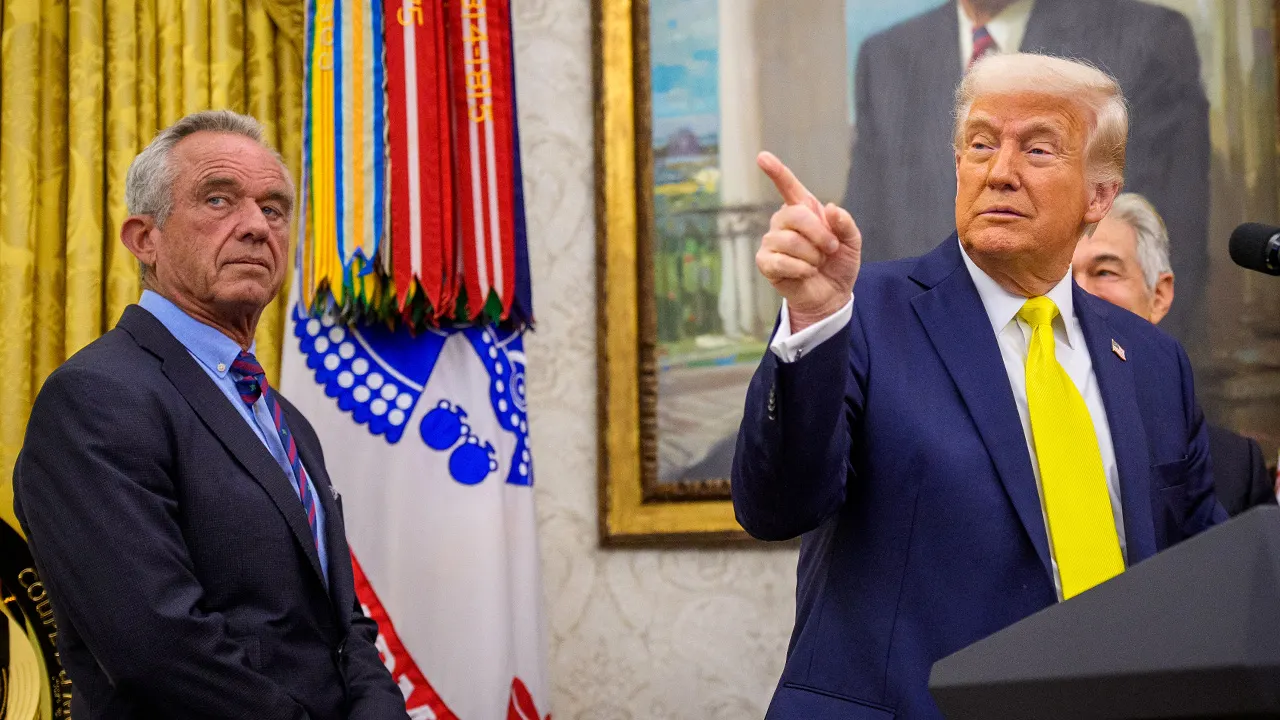
HHS Secretary Robert F. Kennedy Jr. has been vocal about his criticisms of the organization. In a prerecorded speech delivered to the World Health Assembly in May 2025, Kennedy accused the WHO of becoming “mired in bureaucratic bloat, entrenched paradigms, conflicts of interest and international power politics.”
Kennedy’s remarks highlighted specific concerns about foreign influence within the organization. “While the United States has provided the lion’s share of the organization’s funding historically, other countries such as China have exerted undue influence over its operations in ways that serve their own interests and not particularly the interests of the global public,” he stated.
A senior HHS official emphasized that despite the withdrawal, the United States intends to maintain its global health leadership through alternative means. The official noted that despite America’s substantial financial contributions, the U.S. has never had a director leading the organization, contrasting this with other nations that have secured leadership positions while providing significantly less funding.
“The U.S. is walking away from organizations that fail the United States,” the official explained, “not walking away from being a global health leader.” To demonstrate this commitment, the Department of State finalized multiple bilateral agreements on Global Health Cooperation with dozens of countries in December 2025, with further details expected in the coming months.
This marks the second time the Trump administration has initiated withdrawal from the WHO. The first attempt occurred during his previous term in 2020, sparking significant domestic political debate. Democrats, including then-Speaker Nancy Pelosi, strongly opposed the move, describing it as “true senselessness” that put “millions of lives” at risk.
The formal withdrawal aligns with broader shifts in U.S. foreign policy under the current administration. President Trump is currently in Davos, Switzerland, for the World Economic Forum, where discussions about U.S. control of Greenland have featured prominently, signaling a continued emphasis on bilateral negotiations over multilateral engagement.
Public health experts remain divided on the implications of the withdrawal. Proponents argue it allows the U.S. to direct resources more efficiently through direct partnerships, while critics warn it could fragment global disease surveillance systems and weaken coordinated international responses to future health emergencies.
The WHO has not yet released a formal response to the U.S. withdrawal, though the organization faces significant operational challenges with the loss of its largest financial contributor at a time when global health security concerns remain high.
Fact Checker
Verify the accuracy of this article using The Disinformation Commission analysis and real-time sources.

20 Comments
While the US concerns about the WHO’s COVID-19 response are understandable, withdrawing membership may not be the best solution. Global health challenges require international cooperation.
I agree. The US should work to improve the WHO from within rather than abandon it entirely. Effective global health governance is essential, especially during crises.
I appreciate the US wanting to hold the WHO accountable, but withdrawing membership could weaken global health efforts. WHO needs reform, but US participation is still crucial.
Exactly. The US should use its influence to push for much-needed changes at the WHO rather than cutting ties entirely.
This is a significant geopolitical move by the US. It will be interesting to see how it impacts the balance of power and influence in global health governance.
Absolutely. The US withdrawal could create a void that other countries, like China, may seek to fill. This could shift the dynamics of the WHO.
This is a significant shift in US global health policy. Curious to see how it impacts WHO’s operations and funding without the US as a member.
It’s a bold move by the US, but raises concerns over global health coordination and leadership during crises like the pandemic.
This is a concerning development. The WHO plays a vital role in coordinating international responses to health emergencies. US withdrawal could undermine global health security.
I share your concerns. The US should reconsider this decision and re-engage with the WHO to ensure effective global health governance.
The US cites WHO’s handling of COVID-19 as the main reason for withdrawal. While the concerns have merit, leaving the organization entirely may not be the best solution.
Agreed. The US should work to reform and improve the WHO from within rather than abandon it completely.
The US withdrawal from the WHO is a bold and controversial decision. It remains to be seen how it will affect the organization’s operations and global health cooperation.
Agreed. The US should carefully weigh the potential consequences of this move and explore ways to meaningfully engage with the WHO to drive necessary reforms.
The US cites financial disparities and the WHO’s COVID-19 response as reasons for withdrawal. While valid concerns, leaving the organization may do more harm than good.
Agreed. The US should work to reform the WHO from within rather than abandon it completely. Global health challenges require coordinated international action.
The US withdrawal from the WHO is a bold and controversial move. While the concerns over the organization’s COVID-19 response are valid, this decision could have far-reaching consequences.
I agree. The US should carefully consider the potential impacts and explore alternative ways to drive reforms within the WHO rather than completely severing ties.
This decision represents a significant shift in US global health policy. It will be interesting to see how it impacts the WHO’s operations and the broader global health landscape.
Absolutely. The US withdrawal could create a power vacuum that other countries may try to fill, potentially reshaping the dynamics of global health governance.