


Listen to the article
Catholic Bishops’ President Criticizes Trump’s Deportation Policy as Spreading Fear
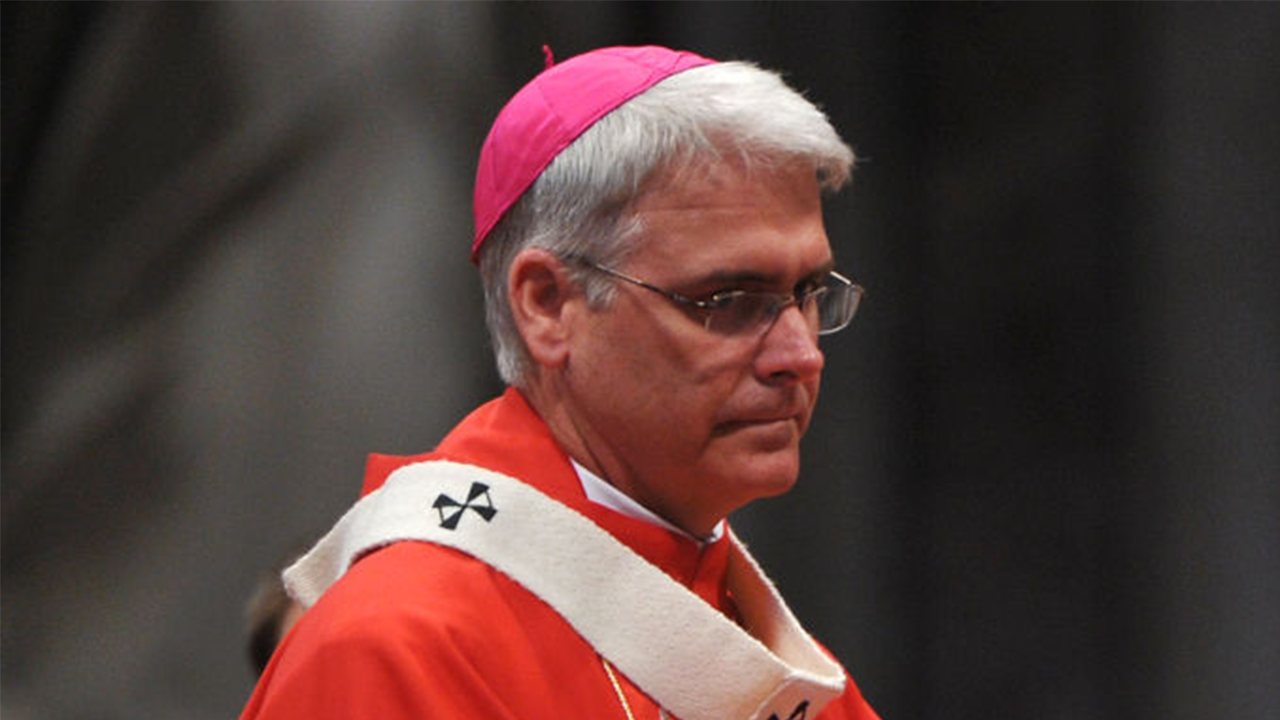
The president of the U.S. Conference of Catholic Bishops, Archbishop Paul Coakley of Oklahoma City, expressed deep concern on Sunday over the Trump administration’s mass deportation efforts, saying they are creating widespread fear across immigrant communities in the United States.
“It’s instilling fear in a rather widespread manner. So I think that’s something that concerns us all, that people have a right to live in security and without fear of random deportations,” Coakley said during an appearance on CBS News’ “Face the Nation.”
The archbishop acknowledged the importance of border security while emphasizing that it should not come at the expense of human dignity. “There is no conflict necessarily between advocating for safe and secure borders and treating people with respect and dignity,” he explained. “We always have to treat people with dignity, God-given dignity. The state doesn’t award it, and the state can’t take it away.”
Coakley’s comments come amid intensifying immigration enforcement actions since Trump returned to the White House in January. The crackdown has had measurable impacts on Catholic communities, with some parishes reporting significantly reduced Mass attendance due to fears of immigration raids.
In communities with larger immigrant populations, the effects are particularly pronounced. “There is a great deal of fear and uncertainty, anxiety because of the level of rhetoric that is often employed when addressing issues around migration and the threats of deportation,” Coakley observed.
The U.S. Conference of Catholic Bishops recently adopted a “special message” specifically condemning the mass deportation agenda and what they described as the “vilification” of migrants. The bishops expressed particular concern about conditions in detention centers and the lack of access to pastoral care for detainees.
“We are disturbed when we see among our people a climate of fear and anxiety around questions of profiling and immigration enforcement,” the statement reads. “We are saddened by the state of contemporary debate and the vilification of immigrants.” The message explicitly opposed “the indiscriminate mass deportation of people.”
Pope Leo XIV has endorsed the bishops’ position, urging local church leaders to speak out on social justice concerns. The Pope has suggested that support for what he termed “inhuman treatment of immigrants” may contradict pro-life values, establishing a clear Vatican position on U.S. immigration policy.
Though Coakley is often aligned with the church’s social conservatives, he has been consistent in his criticism of harsh immigration enforcement. In January, he issued a statement emphasizing that “the majority of undocumented immigrants in Oklahoma are upstanding members of our communities and churches, not violent criminals.”
The archbishop outlined a fundamental principle in Catholic social teaching regarding migration: “People have a right to remain in their homeland, but they also ought to be allowed to migrate when conditions in their homeland are unsafe and necessitate moving to a place where they can find peace and security.”
This stance has gained additional institutional weight with Pope Leo XIV’s appointment of Bishop Ronald Hicks as the next archbishop of New York, replacing the more conservative Cardinal Timothy Dolan. The leadership change signals potential strengthening of the church’s advocacy on immigration issues.
Coakley reinforced that immigration policy must never compromise human dignity. “I don’t think we can ever say that the end justifies the means,” he stated. “That’s kind of a foundational bedrock thing for us, that people are to be respected and treated with dignity, whether they are documented or undocumented, whether they are here legally or illegally, they don’t forfeit their human dignity.”
Fact Checker
Verify the accuracy of this article using The Disinformation Commission analysis and real-time sources.

12 Comments
Deportation policies can have significant human consequences, especially for families and children. While border control is necessary, the human impact must be carefully considered. I hope the administration and Congress can find a compassionate solution.
Well said. Protecting the vulnerable should be a top priority, even as we address legitimate security concerns. It’s a delicate but crucial issue.
The Catholic Church’s stance on this issue reflects their longstanding commitment to social justice and human rights. Their voice adds an important moral perspective to the debate over immigration enforcement.
Agreed. The Church’s role as a moral authority can help shape a more humane and nuanced approach to this complex challenge.
The Catholic Church has historically been a strong advocate for immigrants and refugees. It’s heartening to see the bishops speak out against policies that sow fear in these communities. Fostering a welcoming environment is vital for social cohesion.
Agreed. Striking the right balance between national security and humanitarian concerns is no easy task, but it’s important that all voices are heard in this debate.
As a person of faith, I appreciate the bishop’s emphasis on human dignity and respect, even in the context of border security. Finding that balance is critical for a just and compassionate immigration policy.
Well said. Upholding the inherent worth of each individual should be a guiding principle, even as we address legitimate national security concerns.
The Catholic Church’s stance on this issue reflects their longstanding commitment to social justice and human rights. Their voice adds an important moral perspective to the debate over immigration enforcement.
Agreed. The Church’s role as a moral authority can help shape a more humane and nuanced approach to this complex challenge.
This is a complex issue that deserves careful consideration. On one hand, border security is important for a country’s sovereignty. On the other, we must uphold human dignity and avoid creating an atmosphere of widespread fear. It’s a delicate balance that requires wisdom and compassion.
I appreciate the bishop’s nuanced perspective. Maintaining public safety while respecting individual rights is always challenging, but it’s crucial to find that middle ground.