


Listen to the article
A federal appeals court ruled late Wednesday that the Trump administration acted illegally in terminating legal protections for hundreds of thousands of Venezuelan immigrants residing in the United States.
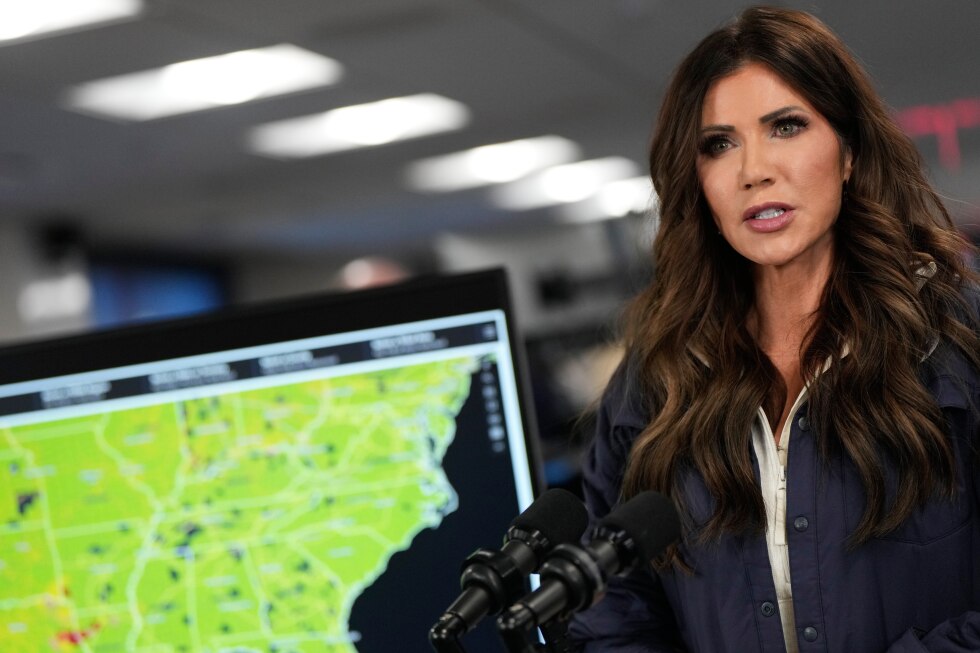
The three-judge panel of the 9th U.S. Circuit Court of Appeals upheld a previous lower court decision that found Homeland Security Secretary Kristi Noem exceeded her authority when she revoked Temporary Protected Status (TPS) for Venezuelans.
Despite this ruling, the decision has no immediate practical effect. The U.S. Supreme Court in October allowed Noem’s termination to remain in place while awaiting a final ruling from the justices.
Department of Homeland Security Assistant Secretary Tricia McLaughlin strongly criticized the decision on Thursday, calling it a “lawless and activist order from the federal judiciary” that undermines U.S. immigration laws. She emphasized that TPS was intended as a temporary program, not a permanent solution.
The 9th Circuit panel also upheld the lower court’s finding regarding Haiti, determining that Noem similarly overstepped her authority when ending TPS protections for Haitians. A federal judge in Washington is expected to rule soon on whether to pause the termination of Haiti’s TPS designation, which is scheduled to expire on February 3.
The ruling came from Judges Kim Wardlaw, Salvador Mendoza Jr., and Anthony Johnstone, all nominated by Democratic presidents. In their decision, they concluded that the TPS legislation passed by Congress did not grant the secretary power to vacate existing TPS designations.
“The statute contains numerous procedural safeguards that ensure individuals with TPS enjoy predictability and stability during periods of extraordinary and temporary conditions in their home country,” wrote Judge Wardlaw, a Clinton nominee, in the panel’s decision.
Wardlaw emphasized the real-world impact of Noem’s actions, noting, “The record is replete with examples of hard-working, contributing members of society — who are mothers, fathers, wives, husbands, and partners of U.S. citizens, pay taxes, and have no criminal records — who have been deported or detained after losing their TPS.”
Temporary Protected Status was established by Congress in 1990 to provide legal immigration status to people fleeing countries experiencing civil unrest, environmental disasters, or other extraordinary conditions that prevent safe return. TPS designations typically last for 6-18 months but can be extended if dangerous conditions persist. The status protects holders from deportation and allows them to work legally, though it does not provide a path to citizenship.
In justifying the termination of protections, Secretary Noem claimed conditions in both Venezuela and Haiti had improved sufficiently and that maintaining TPS for these immigrants was not in the national interest.
Venezuela continues to face severe political and economic challenges. Millions have fled the country due to political unrest, widespread unemployment, and food shortages. The nation remains gripped by a prolonged crisis stemming from hyperinflation, corruption, economic mismanagement, and ineffective governance. Despite these ongoing issues, McLaughlin claimed that President Trump’s efforts to remove Venezuelan President Nicolas Maduro were bringing stability to the region.
Haiti’s situation is similarly dire. The country first received TPS designation in 2010 following a devastating 7.0 magnitude earthquake that killed and injured hundreds of thousands while leaving over a million homeless. Today, Haitians continue to face widespread hunger and gang violence. McLaughlin argued that previous administrations had transformed Haiti’s TPS into a “de facto amnesty program,” pointing out that the earthquake occurred more than 15 years ago.
In a separate concurrence, Judge Mendoza noted “ample evidence of racial and national origin animus” supporting the lower court’s conclusion that Noem’s decisions were “preordained and her reasoning pretextual.”
“It is clear that the Secretary’s vacatur actions were not actually grounded in substantive policy considerations or genuine differences with respect to the prior administration’s TPS procedures, but were instead rooted in a stereotype-based diagnosis of immigrants from Venezuela and Haiti as dangerous criminals or mentally unwell,” Mendoza wrote.
Government attorneys have maintained that the secretary possesses broad authority to make TPS determinations that are not subject to judicial review. They have consistently denied allegations that the actions were motivated by racial prejudice.
The ruling represents the latest development in the ongoing legal battle over immigration policies that affect hundreds of thousands of people who have built lives in the United States under TPS protections.
Fact Checker
Verify the accuracy of this article using The Disinformation Commission analysis and real-time sources.

12 Comments
This is an interesting ruling on the legality of terminating temporary protections for Venezuelan immigrants. It seems the courts found the administration overstepped its authority in this case. I’m curious to see how this plays out going forward and the implications for US immigration policy.
Yes, the decision appears to challenge the administration’s position on this issue. It will be worth monitoring how the Supreme Court ultimately rules on this matter.
While the administration has sought to terminate TPS for certain immigrant groups, the courts have pushed back, finding the government overstepped its bounds. This ruling signals an attempt to uphold legal safeguards and ensure the executive branch acts within the scope of its authority on immigration matters.
This ruling highlights the complexities involved in immigration policy and the delicate balance between the executive and judicial branches. The courts appear to be asserting their role in ensuring the government’s actions are legally justified, even on sensitive issues like TPS protections. It will be interesting to see how this case proceeds.
The ongoing legal battle over TPS termination for Venezuelans and Haitians reflects the broader tensions and disagreements around US immigration policy. This latest appeals court decision challenging the administration’s actions suggests the courts are playing an important role in scrutinizing the government’s decisions in this space.
This is a significant development in the ongoing legal battle over TPS termination for Venezuelans and Haitians. The 9th Circuit’s ruling that the administration overstepped its authority will likely have wider implications for immigration policy. It will be interesting to see how the Supreme Court ultimately rules on this issue.
I’m not surprised the courts have pushed back on the administration’s moves to end TPS for these immigrant groups. The program was intended as a temporary protection, but revoking it raises humanitarian concerns. This ruling signals an attempt to uphold legal safeguards, even amid contentious immigration debates.
You make a fair point. The courts appear to be asserting their role in ensuring the executive branch acts within the bounds of the law on these sensitive immigration matters.
The administration’s decision to end TPS protections has faced repeated legal challenges. This latest appeals court ruling suggests the courts are closely scrutinizing the government’s actions and powers in this area. It underscores the complexity and contentiousness of US immigration policy debates.
Absolutely, this case highlights the delicate balance between executive authority and judicial oversight when it comes to sensitive immigration issues. The Supreme Court’s final ruling will be closely watched.
The administration’s stance on ending TPS protections for Venezuelans and Haitians has been controversial. This court ruling suggests the executive branch may have exceeded its powers in making these decisions. It raises important questions about the proper scope of authority on immigration issues.
Agreed, this is a complex and politically charged issue. The court seems to have found fault with the administration’s actions, but the final outcome remains uncertain pending the Supreme Court’s review.