


Listen to the article
UN Nuclear Chief Warns Strike Near Iran’s Bushehr Plant Risks “Reddest Line” of Safety
The head of the United Nations’ nuclear watchdog issued a stark warning Wednesday that a recent projectile strike near Iran’s Bushehr nuclear power plant risked crossing what he called the “reddest line” of nuclear safety, as military tensions between the United States, Israel and Iran continue to escalate.
International Atomic Energy Agency (IAEA) Director General Rafael Grossi emphasized that a direct hit on an operating nuclear reactor could trigger a catastrophic radiological incident, though the recent strike appears to have caused no damage to the plant’s critical systems.
“An accident on an operating nuclear power plant would be something very, very serious,” Grossi told Fox News Digital. “This is the reddest line of all that you have in nuclear safety.”
He explained the grave consequences that could result from a direct hit: “The possibility of dispersion in the atmosphere of radioactivity is very high if you get to the core of the reactor.”
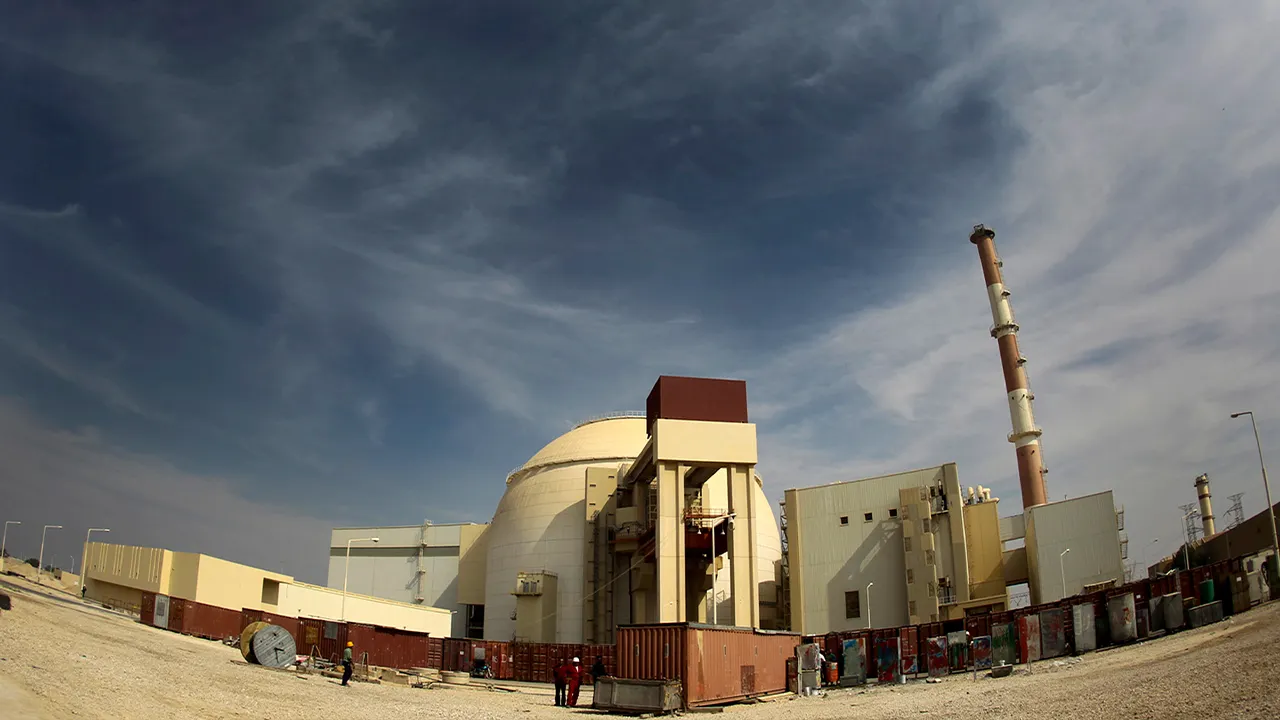
According to the IAEA, the projectile struck part of the Bushehr complex in recent days, marking the closest known impact on an operational nuclear reactor since the regional conflict began. The strike reportedly hit a smaller structure within the facility’s broader premises—possibly a laboratory or auxiliary building—without affecting the reactor itself or causing casualties.
Grossi noted that nuclear facilities typically comprise large compounds with various administrative buildings and support infrastructure beyond the main reactor, which means a strike could hit the site without necessarily damaging the reactor core itself.
While the IAEA has not conducted an on-site inspection to independently verify the extent of damage, Grossi said available imagery suggests the impact was not significant. However, he stressed that the risks would be substantially more severe if the reactor itself were hit.
Unlike uranium enrichment facilities or other nuclear sites, an operating reactor contains a live core undergoing nuclear fission. This means a direct strike could potentially release large quantities of radioactive material into the environment, creating a regional disaster.
The incident occurs against the backdrop of heightened tensions across the Middle East. Iran has blamed the United States and Israel for the strike, though these claims have not been independently verified. U.S. officials have not confirmed any involvement, and Israel’s military stated it was not aware of such a strike.
The Bushehr facility, located approximately 750 miles south of Tehran on Iran’s southern coast, represents a significant component of Iran’s civilian nuclear infrastructure. The plant, built with Russian assistance, is distinct from Iran’s controversial uranium enrichment program that has raised international concerns about potential nuclear weapons development.
Nuclear safety experts have long expressed concern about the vulnerability of nuclear facilities during armed conflicts. The war in Ukraine brought similar concerns to the forefront regarding the Zaporizhzhia nuclear plant, which has repeatedly faced dangerous situations since Russia’s invasion.
Grossi emphasized that there is broad international consensus that nuclear power plants should not be targeted during military conflicts, regardless of other strategic considerations. This principle, he noted, stems from the potentially catastrophic humanitarian and environmental consequences that could extend far beyond national borders.
As regional tensions continue to simmer, the incident highlights the increasing risks of miscalculation or unintended escalation that could have severe consequences for regional and global security.
Fact Checker
Verify the accuracy of this article using The Disinformation Commission analysis and real-time sources.

7 Comments
A direct hit on an active nuclear reactor would be a nightmare scenario. Grossi is right to emphasize the ‘reddest line’ of nuclear safety. All stakeholders must work together to prevent such a catastrophic event.
Absolutely. The potential for widespread radioactive contamination is terrifying. Maintaining the integrity of nuclear facilities should be the top priority amidst these heightened tensions.
This is a concerning development. A strike near a nuclear power plant could have catastrophic consequences. The IAEA Director General is right to sound the alarm and emphasize the need for utmost caution and safety protocols.
Escalating military tensions near nuclear facilities is extremely risky. I hope all parties involved exercise maximum restraint and prioritize nuclear safety. An accident at Bushehr would be a disaster for the entire region.
Agreed. The possibility of radioactive fallout is terrifying. All sides need to de-escalate the situation immediately to avoid a nuclear catastrophe.
This is a sobering reminder of the fragility of nuclear power and the grave risks involved. The IAEA must remain vigilant in monitoring the situation and ensuring the safety of the Bushehr plant.
While the strike did not directly hit the reactor, the proximity is deeply concerning. Even a near miss could have devastating consequences. This underscores the need for robust safety measures and conflict de-escalation.