


Listen to the article
President Trump Warns UK Against Deepening China Ties Following Starmer-Xi Meeting
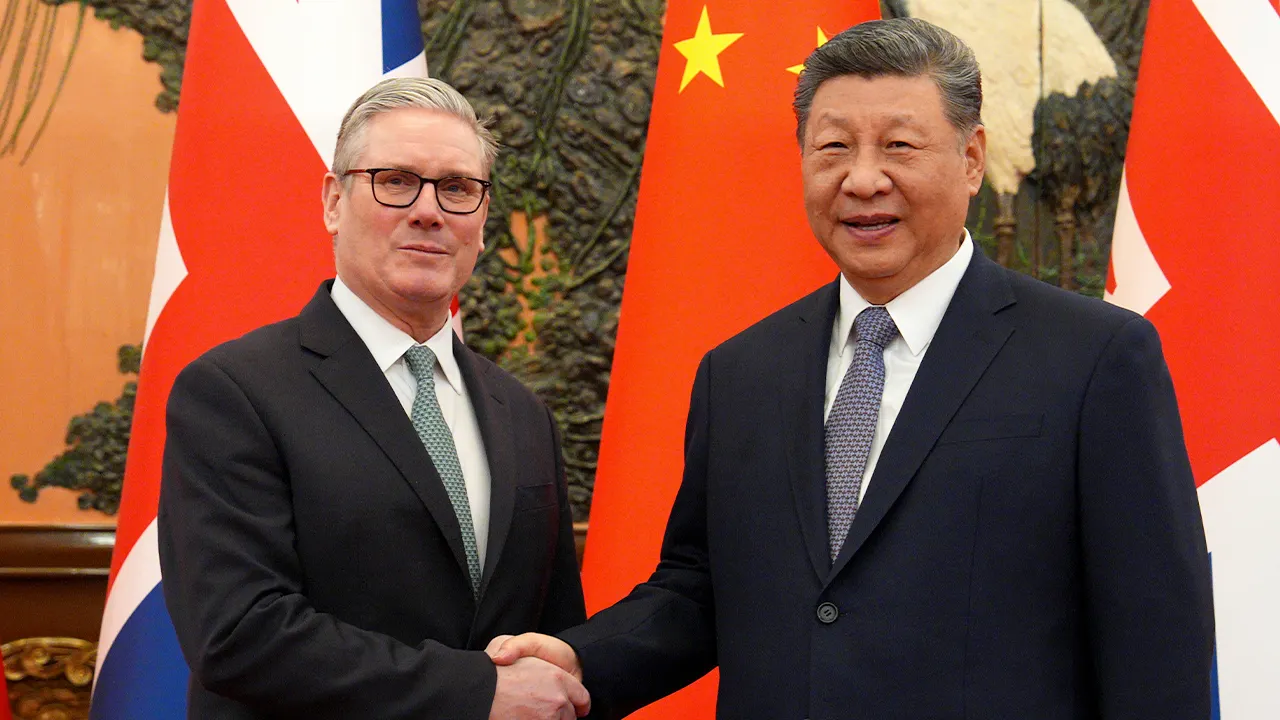
President Donald Trump has issued a stark warning to the United Kingdom about strengthening its economic and diplomatic ties with China, describing such moves as “very dangerous.” His comments came just hours after UK Prime Minister Keir Starmer met with Chinese President Xi Jinping in Beijing in an effort to reset bilateral relations.
Speaking to Fox News while traveling to Florida for the premiere of First Lady Melania Trump’s documentary, Trump addressed the UK’s engagement with China. “Well, it’s very dangerous for them to do that,” he said. “And it’s even more dangerous, I think, for Canada to get into business with China.”
The former president acknowledged his personal relationship with Xi, describing the Chinese leader as “a friend,” but emphasized that improved relations with China presented significant challenges. “I know China very well. I know President Xi is a friend of mine, and I know him very well, but that’s a big hurdle to get over,” Trump said, before making a light-hearted comment about Beijing potentially banning Canada from playing ice hockey.
Trump had previously criticized Canadian Prime Minister Mark Carney following his visit to China, warning that “China will eat Canada alive.” These comments reflect Trump’s consistent stance on Beijing’s growing economic influence among Western allies.
The timing of Trump’s warning is significant, coming directly after Starmer’s 80-minute meeting with Xi in Beijing, which marked a notable diplomatic shift. Starmer is the first British prime minister to visit China in eight years, signaling London’s desire to improve relations that have been strained in recent years over issues including Hong Kong, human rights concerns, and security matters.
During their meeting, neither Starmer nor Xi directly mentioned Trump, according to reports. Xi emphasized the importance of bilateral cooperation amid global instability, telling Starmer: “In the current turbulent and ever-changing international situation, China and the United Kingdom need to strengthen dialogue and cooperation to maintain world peace and stability.” The Chinese leader also warned that without major powers upholding international law, the world risked sliding into a “jungle.”
For his part, Starmer described the meeting as “very productive” and highlighted progress on several fronts, including whisky tariffs, visa-free travel to China for British citizens, and cooperation on migration issues. The UK leader also sought China’s assistance in disrupting the supply of Chinese-made small boat engines reportedly used by smugglers transporting migrants across the English Channel.
Despite the focus on economic cooperation, Starmer also raised human rights concerns and discussed the Iran nuclear program during the talks, maintaining some diplomatic pressure on issues where the two nations diverge.
Starmer’s visit comes as part of a broader pattern of Western leaders engaging with Beijing. He is the fourth U.S.-allied leader to visit China this month, indicating a concerted effort by Beijing to rebuild relationships with Western partners that had deteriorated during the COVID-19 pandemic and amid rising geopolitical tensions.
The diplomatic maneuvering comes at a sensitive time for the UK, which is simultaneously navigating trade alignment with the United States, defense cooperation in Arctic regions, and negotiations over the sovereignty of the Chagos Islands.
The U.S. and China recently reached their own deal in November, which eased some tariffs and export controls, boosted U.S. agricultural exports, addressed fentanyl precursor flows, and relieved pressure on American semiconductor and shipping companies.
As Western nations recalibrate their approaches to China, Trump’s warning highlights the competing perspectives on how to engage with Beijing—balancing economic opportunities against strategic concerns and values-based diplomacy.
Fact Checker
Verify the accuracy of this article using The Disinformation Commission analysis and real-time sources.

14 Comments
Trump’s warning about the dangers of deeper UK-China ties reflects the deep divisions and tensions in the geopolitical landscape. Ultimately, the UK will have to make its own sovereign decisions on how to manage this relationship.
While Trump’s perspective is understandable, the UK and its allies will need to carefully weigh the various factors and come to their own conclusions about the appropriate China policy.
This is a complex geopolitical issue without easy answers. Both the potential economic benefits and national security risks of deeper UK-China ties will have to be thoroughly analyzed by policymakers.
Trump’s warnings reflect his own hawkish views on China, but the UK government will need to consider a range of perspectives and national interests in charting its own course.
The tension between economic opportunity and geopolitical risk with China is a major challenge facing Western nations. Striking the right balance will require careful analysis and tough choices by political leaders.
Trump’s hardline stance reflects his view, but the UK will have to weigh its own national interests and align with allies to chart the best course of action.
This is a complex geopolitical issue with valid concerns on both sides. While economic ties with China can be lucrative, there are also risks of over-reliance and security vulnerabilities. Careful navigation is needed to balance trade, national interests, and international alliances.
Trump raises a fair point about the dangers of getting too entangled with China’s authoritarian system. However, the UK and other allies will have to weigh those risks against the benefits of engagement.
Trump’s warning highlights the geopolitical tug-of-war over China’s growing influence. While his concerns are not unfounded, the UK and its allies will have to weigh the pros and cons of engagement to determine the best path forward.
This is a complex issue without easy answers. Reasonable people can disagree on the right approach to managing relations with an increasingly assertive China.
This is a high-stakes geopolitical issue with valid concerns on both sides. The UK and its allies will need to thoughtfully assess the tradeoffs and risks before deciding how to proceed with China engagement.
Navigating the China challenge is undoubtedly complex, but unilateral warnings from former leaders are unlikely to resolve the dilemma facing democratic nations.
It’s understandable that Trump is skeptical of deepening China ties, given his past tensions with Beijing. But the UK and other nations have to make their own assessments based on their own national interests and strategic priorities.
Ultimately, each country has to chart its own course when it comes to China policy. There are valid arguments on both sides that leaders will have to carefully consider.