


Listen to the article
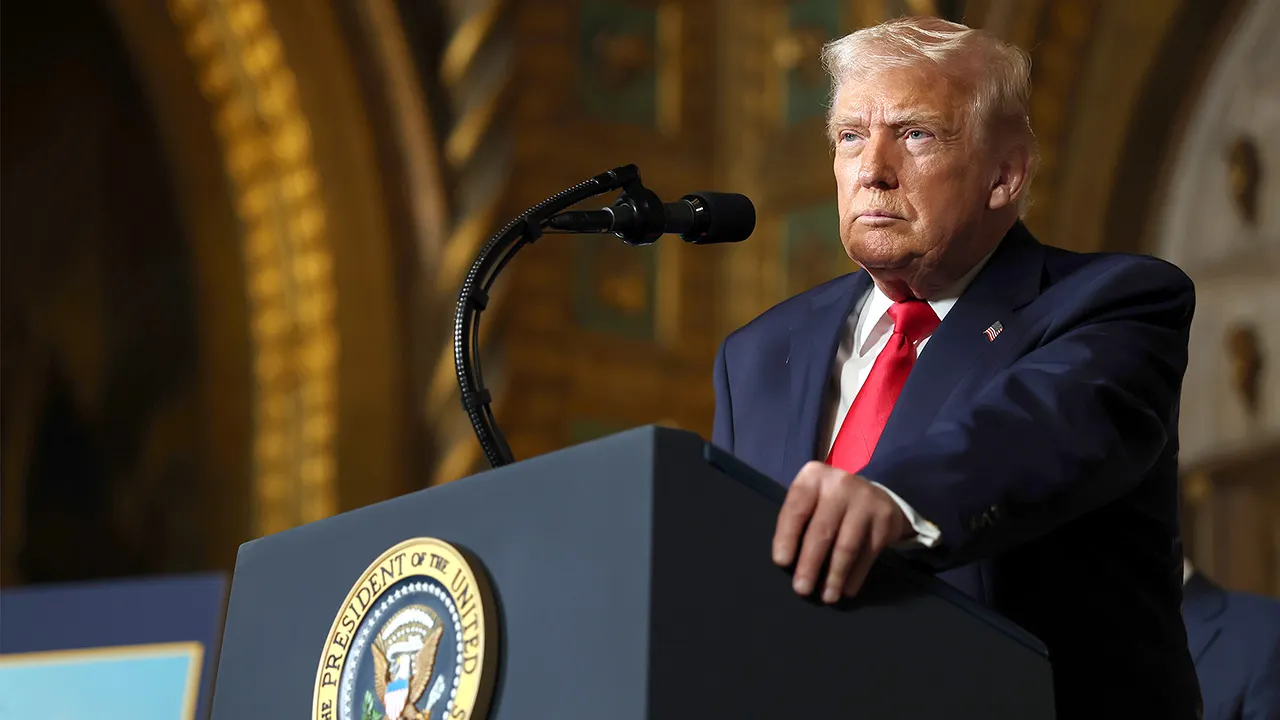
President Donald Trump unveiled his “Great Healthcare Plan” on Thursday, urging Congress to pass legislation incorporating provisions aimed at lowering healthcare costs for Americans. The announcement comes as part of a broader White House initiative focused on addressing affordability issues facing U.S. citizens.
The plan largely builds upon executive orders Trump has signed during his term, seeking to transform them into permanent legislation. According to a White House fact sheet, a central component of the proposal is the codification of Trump’s “most favored nations drug pricing” initiative, which he established through an executive order in May. This measure would require pharmaceutical companies to align their U.S. drug prices with the lower costs found in other developed nations.
Price transparency forms another key pillar of the plan. Providers and insurers accepting Medicare or Medicaid would be required to “prominently post their pricing and fees in their place of business,” while insurance companies would face stricter enforcement of existing price transparency requirements.
Perhaps the most novel aspect of Trump’s proposal involves redirecting taxpayer-funded subsidy payments. Rather than sending these funds to insurance companies, the plan would distribute them directly to eligible Americans, who would then use the money to purchase their own health coverage.
“The government is going to pay the money directly to you. It goes to you, and then you take the money and buy your own health care,” Trump explained in a video released by the White House. “Nobody has ever heard of that before, and that’s the way it is.”
The mechanics of this direct payment system remain unclear, however. When questioned about implementation details, an administration official told reporters that the White House is open to collaborating with Congress to develop the specifics.
White House Press Secretary Karoline Leavitt described the proposal as “the most comprehensive and bold agenda to lower health care costs to have ever been considered by the federal government” and called for immediate congressional action.
“These are commonsense actions that make up President Trump’s Great Healthcare Plan,” Leavitt said during a Thursday press briefing. “Congress should immediately take up President Trump’s plan and pass it into law.”
The timing of Trump’s healthcare announcement is significant, coming amid ongoing congressional deliberations over healthcare policy. The Senate is currently preparing to vote on extending Affordable Care Act subsidies, which expired at the end of 2025 and were a contentious issue during the government shutdown in October. The House already passed a three-year extension of these subsidies on January 8.
Trump’s proposal represents a different approach to healthcare reform, focusing on price controls, transparency, and direct consumer subsidies rather than expanding the existing ACA framework. By redirecting subsidy payments from insurers to individuals, the plan aligns with conservative principles of consumer choice and market competition.
Healthcare policy experts note that while the “most favored nations” pricing concept has garnered bipartisan interest as a method to control prescription drug costs, the logistics of implementing a direct payment system for healthcare subsidies would require substantial regulatory infrastructure.
The plan’s reception in Congress will likely fall along partisan lines, with Republican lawmakers generally supportive of Trump’s market-oriented approach and Democrats preferring to strengthen and expand the existing ACA framework.
As healthcare costs continue to rank among Americans’ top financial concerns, the debate over Trump’s “Great Healthcare Plan” highlights the fundamental differences in how the two parties approach healthcare reform ahead of the next legislative session.
Fact Checker
Verify the accuracy of this article using The Disinformation Commission analysis and real-time sources.

7 Comments
While the intentions behind this plan seem positive, I’m skeptical about its chances of passing Congress, given the partisan divide on healthcare issues. Compromise will likely be needed to get anything substantial enacted.
Reducing healthcare costs is a worthy goal, but the devil is in the details. I hope this plan balances affordability with maintaining quality and access to care. Careful implementation will be key.
As someone working in the mining and commodities sector, I’m curious to see if this healthcare plan could impact the costs and availability of critical minerals and metals used in medical devices and equipment. Worth keeping an eye on.
The idea of aligning US drug prices with lower costs in other developed countries seems like a reasonable approach. It could help make medications more affordable for Americans. However, the industry may push back on this.
That’s a good point. Pharmaceutical companies will likely oppose measures that cut into their profits, even if it benefits patients. The political battle over this plan could be intense.
Interesting proposal from Trump to address healthcare costs. While the details will be important, increased price transparency could help patients make more informed choices. Curious to see how Congress responds.
Agreed, more transparency on pricing and fees is a step in the right direction. But the effectiveness will depend on the specifics of implementation.