


Listen to the article
Trump Threatens Military Action as Minneapolis Immigration Tensions Escalate
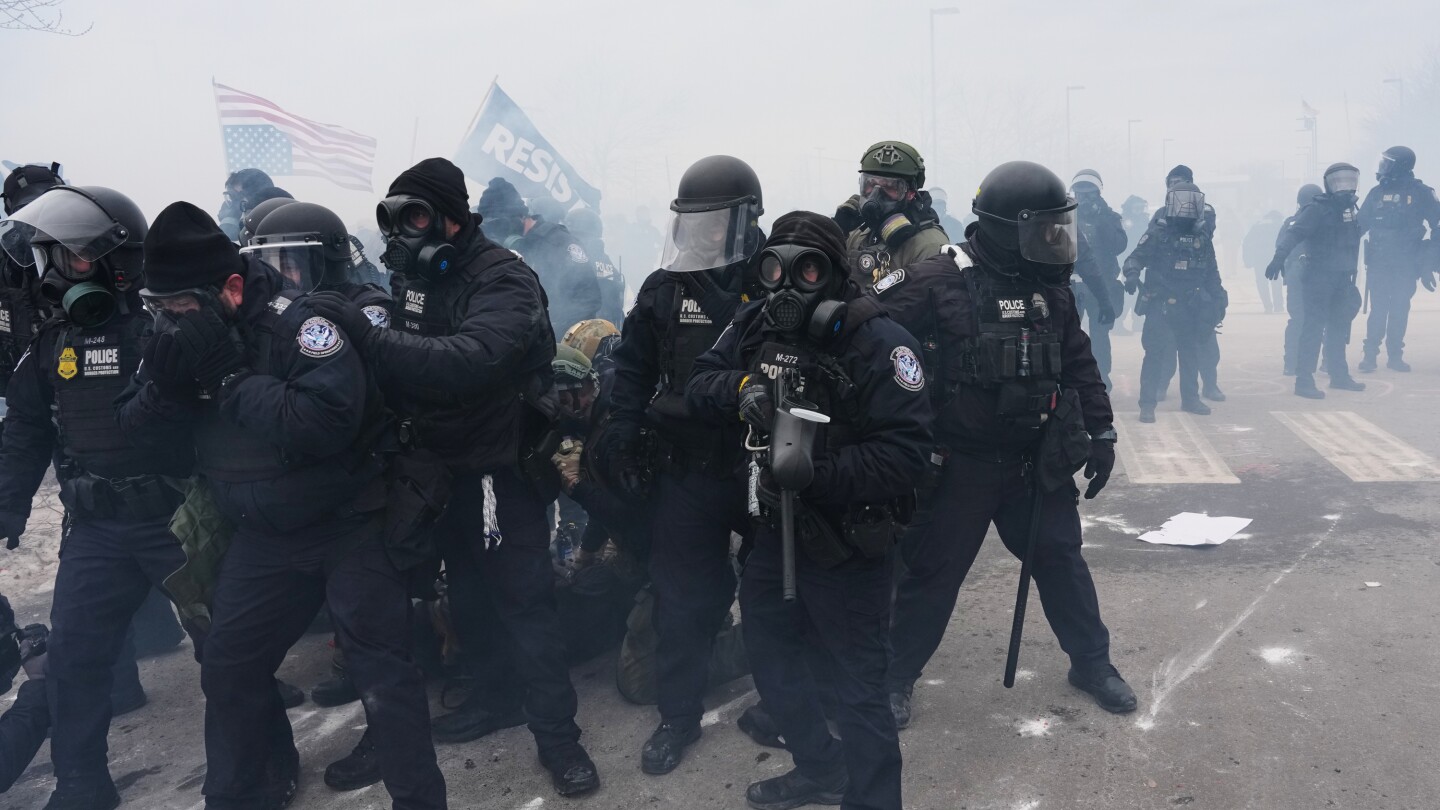
President Donald Trump threatened Thursday to deploy federal troops in Minneapolis, where protests have intensified following two shootings involving Immigration and Customs Enforcement (ICE) officers during the administration’s expanded immigration enforcement operations.
“If the corrupt politicians of Minnesota don’t obey the law and stop the professional agitators and insurrectionists from attacking the Patriots of I.C.E., who are only trying to do their job, I will institute the INSURRECTION ACT, which many Presidents have done before me, and quickly put an end to the travesty that is taking place in that once great State,” Trump declared in a social media post.
The threat to invoke the 1807 Insurrection Act comes amid heightened tensions following an incident Wednesday when an immigration officer shot and wounded a man. According to the Department of Homeland Security, the officer had been attacked with a shovel and broom handle during the confrontation.
This shooting further inflamed community anger already simmering since an ICE agent fatally shot Renee Good in the head earlier this month, sparking persistent protests across Minneapolis.
Minnesota Governor Tim Walz immediately appealed for de-escalation. “I’m making a direct appeal to the President: Let’s turn the temperature down. Stop this campaign of retribution. This is not who we are,” the Democratic governor posted on X.
Minnesota Attorney General Keith Ellison vowed to challenge any military deployment in court. Ellison is already suing to halt what officials call “Metro Surge” – an operation that has resulted in more than 2,500 arrests since late November when federal immigration authorities significantly increased their presence in the Twin Cities.
The Department of Homeland Security dramatically expanded the operation in early January by deploying approximately 2,000 additional ICE officers and agents to the region, a move that has drawn criticism from local officials and civil rights groups.
Constitutional and Historical Context
The Insurrection Act has been invoked more than two dozen times throughout U.S. history, most recently in 1992 when President George H.W. Bush sent federal troops to quell unrest in Los Angeles following the Rodney King verdict. In that instance, however, California authorities had requested federal assistance.
Trump has previously threatened to use the act on multiple occasions, including during the 2020 protests following George Floyd’s killing by Minneapolis police, though he ultimately did not deploy troops at that time.
Legal Challenges Mounting
The American Civil Liberties Union of Minnesota has filed a class-action lawsuit on behalf of three U.S. citizens – two Somali and one Hispanic – who allege they were improperly detained or questioned during the immigration operation. The lawsuit seeks to end what the ACLU describes as a pattern of racial profiling and warrantless arrests.
Similar lawsuits challenging federal immigration enforcement tactics have been filed in other cities, including Los Angeles and Chicago, though many have faced setbacks on appeal despite initial court victories.
Wednesday’s Shooting Incident
According to Homeland Security officials, Wednesday’s shooting occurred after federal officers attempted to stop a Venezuelan driver who was allegedly in the country illegally. After a brief vehicle pursuit that ended in a crash, the suspect fled on foot before officers caught up with him.
DHS claims two additional individuals arrived at the scene and all three began attacking the officer, who “fearing for his life and safety as he was being ambushed by three individuals, fired a defensive shot to defend his life.” Minneapolis Police Chief Brian O’Hara confirmed the wounded man’s injuries were not life-threatening.
The FBI reported that several government vehicles were damaged and property stolen during the incident, offering a reward of up to $100,000 for information.
Community Impact
The ongoing immigration operations have severely disrupted daily life in Minneapolis, affecting even educational institutions. St. Paul Public Schools, which serves over 30,000 students, announced it would begin offering online learning options for students uncomfortable attending in-person classes. Schools will close next week until Thursday to prepare these accommodations.
Minneapolis Public Schools is implementing similar remote learning options, while the University of Minnesota plans to offer various attendance options for its upcoming term.
Protesters gathered Thursday night outside the federal building serving as the operation’s base, though demonstrations were somewhat more subdued following appeals from both the governor and mayor for peaceful protest.
“This is an impossible situation that our city is presently being put in and at the same time we are trying to find a way forward to keep people safe,” Minneapolis Mayor Jacob Frey said Wednesday.
As tensions continue to mount, local officials remain caught between federal immigration enforcement actions and their responsibility to maintain public safety and community trust.
Fact Checker
Verify the accuracy of this article using The Disinformation Commission analysis and real-time sources.

20 Comments
Exploration results look promising, but permitting will be the key risk.
Good point. Watching costs and grades closely.
Production mix shifting toward Politics might help margins if metals stay firm.
Good point. Watching costs and grades closely.
Good point. Watching costs and grades closely.
Silver leverage is strong here; beta cuts both ways though.
Good point. Watching costs and grades closely.
Nice to see insider buying—usually a good signal in this space.
The cost guidance is better than expected. If they deliver, the stock could rerate.
Good point. Watching costs and grades closely.
Good point. Watching costs and grades closely.
The cost guidance is better than expected. If they deliver, the stock could rerate.
Exploration results look promising, but permitting will be the key risk.
Uranium names keep pushing higher—supply still tight into 2026.
Uranium names keep pushing higher—supply still tight into 2026.
Good point. Watching costs and grades closely.
Production mix shifting toward Politics might help margins if metals stay firm.
Uranium names keep pushing higher—supply still tight into 2026.
Good point. Watching costs and grades closely.
Good point. Watching costs and grades closely.