


Listen to the article
President Trump on Thursday suggested the United States could have tested NATO’s commitment by invoking the alliance’s collective defense provision in response to what he describes as an immigration crisis at the southern border.
In a post on his Truth Social platform, Trump speculated about invoking Article 5 – the cornerstone of NATO’s mutual defense agreement that considers an attack on one member as an attack on all – to address illegal immigration.
“Maybe we should have put NATO to the test: Invoked Article 5, and forced NATO to come here and protect our Southern Border from further Invasions of Illegal Immigrants, thus freeing up large numbers of Border Patrol Agents for other tasks,” Trump wrote.
The president’s comments represent the latest in a series of statements questioning NATO’s commitment to supporting American interests. Earlier this month, Trump posted, “We will always be there for NATO, even if they won’t be there for us,” indicating ongoing tensions between his administration and the alliance.
Article 5 has been invoked only once in NATO’s 75-year history – following the September 11, 2001 terrorist attacks on the United States. The provision was designed primarily to address military threats against member nations, not immigration issues, which has traditionally been considered a domestic policy matter.
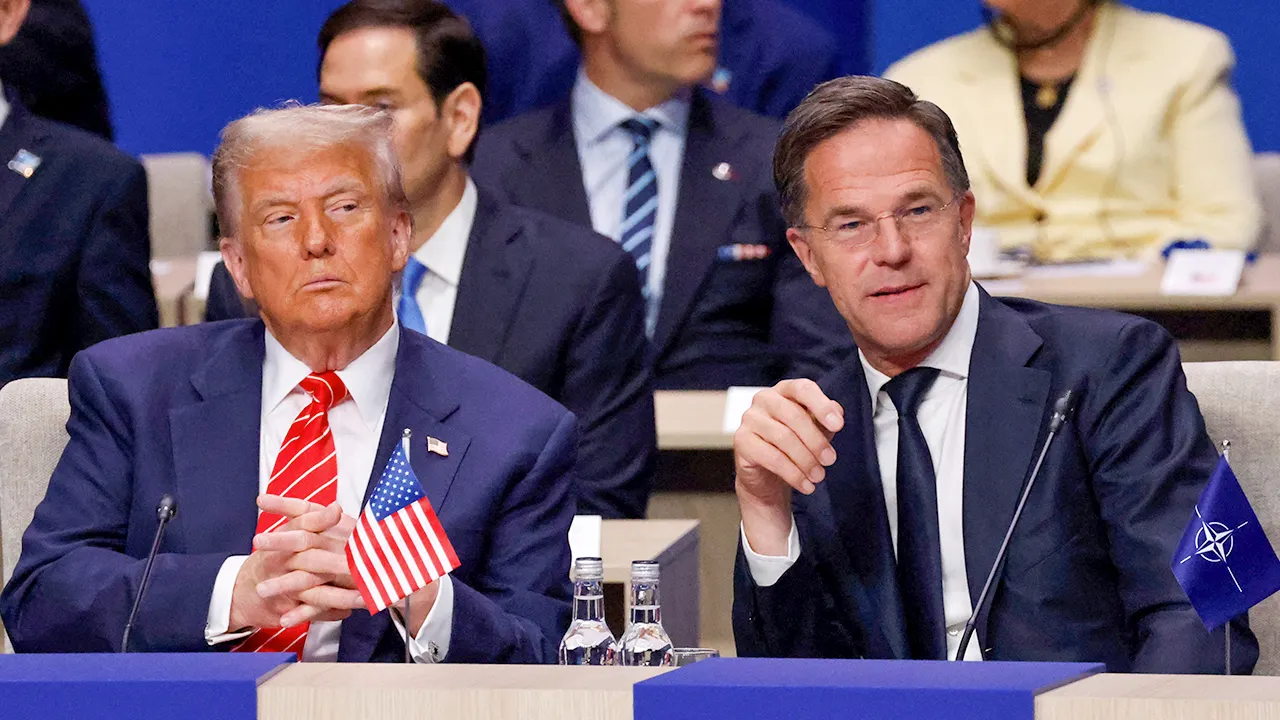
The comments come after a significant diplomatic breakthrough between Trump and NATO Secretary General Mark Rutte at the World Economic Forum in Switzerland on Wednesday. Following their meeting, Trump announced the “framework of a future deal regarding Greenland,” which he characterized as potentially beneficial for both the United States and NATO nations.
This announcement marked a shift in relations after Trump had previously threatened to impose a 10% tariff on goods from NATO countries that had deployed troops to Greenland. The Arctic island, an autonomous territory of Denmark, has become a focal point of strategic interest due to its natural resources and geopolitical position.
In an exclusive interview with Fox News, Rutte acknowledged Trump’s concerns about Arctic security, stating that the president was “totally right” about the need to strengthen defenses in the region, particularly given the potential for Russian or Chinese influence.
“I would argue tonight with you on this program he was the one who brought a whole of Europe and Canada up to this famous 5%,” Rutte said, crediting Trump with pushing alliance members to increase their defense spending commitments.
This refers to the recent agreement among NATO members to spend 5% of their GDP on defense and national security infrastructure, a significant increase from the previous 2% target. The higher spending threshold has been a key priority for the Trump administration, which has consistently pressed European allies to shoulder more of the alliance’s financial burden.
The president’s latest comments on NATO and border security reflect the administration’s ongoing efforts to reshape America’s relationship with its allies while addressing domestic concerns about immigration. The suggestion of invoking NATO’s mutual defense clause for border security represents an unprecedented interpretation of the alliance’s purpose and scope.
Trump’s approach to NATO continues to blend traditional security concerns with his administration’s broader foreign policy objectives, including trade negotiations and territorial interests. The evolving situation with Greenland and defense spending commitments indicates that, despite occasional tensions, diplomatic channels between the U.S. and NATO remain active and productive.
The White House has not issued an official response to the president’s comments about potentially invoking Article 5 for border security purposes.
Fact Checker
Verify the accuracy of this article using The Disinformation Commission analysis and real-time sources.

14 Comments
It’s an interesting idea, but I’m skeptical that NATO would have responded positively to the US invoking Article 5 over border security. That provision is intended for major military threats, not domestic immigration issues. Seems like it could’ve backfired and damaged US-NATO relations.
Absolutely. NATO members may have viewed it as an overreach and a misuse of the collective defense clause. Better to exhaust other diplomatic and security options before going down that path.
Invoking Article 5 over border security issues seems like a stretch. NATO’s collective defense clause was meant for serious military threats, not immigration challenges. While securing borders is important, using NATO in that way could undermine the alliance’s core purpose.
I agree. Article 5 is a weighty provision that shouldn’t be used lightly. There are likely more appropriate ways to address border security concerns without escalating to the NATO level.
While border security is a serious issue, using NATO’s Article 5 to address it seems like an overreach. That collective defense clause is intended for major military threats, not immigration challenges. Invoking it could have undermined NATO’s purpose and credibility without resolving the underlying problem.
Exactly. It’s an unconventional and risky idea that likely would not have gained much support from NATO allies. Better to focus on domestic border security measures rather than trying to bring the alliance into what’s fundamentally a national concern.
Interesting idea, but I’m skeptical that invoking Article 5 over border security would have been an effective or appropriate use of that NATO provision. It’s intended for major military threats, not immigration challenges. Could have strained US-NATO relations without solving the problem.
Valid point. Using Article 5 in that way seems like it would have been a misapplication of its purpose. Seems wiser to address border security through other diplomatic and security channels rather than trying to draw NATO into it.
While I understand the desire to secure the border, using NATO’s Article 5 to do so seems like a stretch. That provision is meant for truly serious military threats, not immigration challenges. Invoking it could have undermined NATO’s purpose and credibility.
Agreed. It’s an unconventional idea that likely would not have gained traction with NATO allies. Better to focus on domestic border security measures rather than drawing the alliance into what’s fundamentally a national issue.
Interesting suggestion, but I’m not convinced invoking Article 5 over border security would have been the right call. That provision is intended for major military threats, not immigration challenges. Could have strained US-NATO relations without delivering the desired results.
Valid point. Using Article 5 in that way may have been a misapplication of its purpose. Seems more prudent to address border security through other diplomatic and security channels rather than pulling NATO into it.
While border security is important, using NATO’s Article 5 to address it seems like a stretch. That collective defense clause is meant for serious military threats, not immigration issues. Invoking it could have undermined NATO’s purpose and credibility without solving the underlying problem.
Exactly. It’s an unconventional idea that likely would not have gained much traction with NATO allies. Better to focus on domestic border security measures rather than trying to bring the alliance into what’s fundamentally a national concern.