


Listen to the article
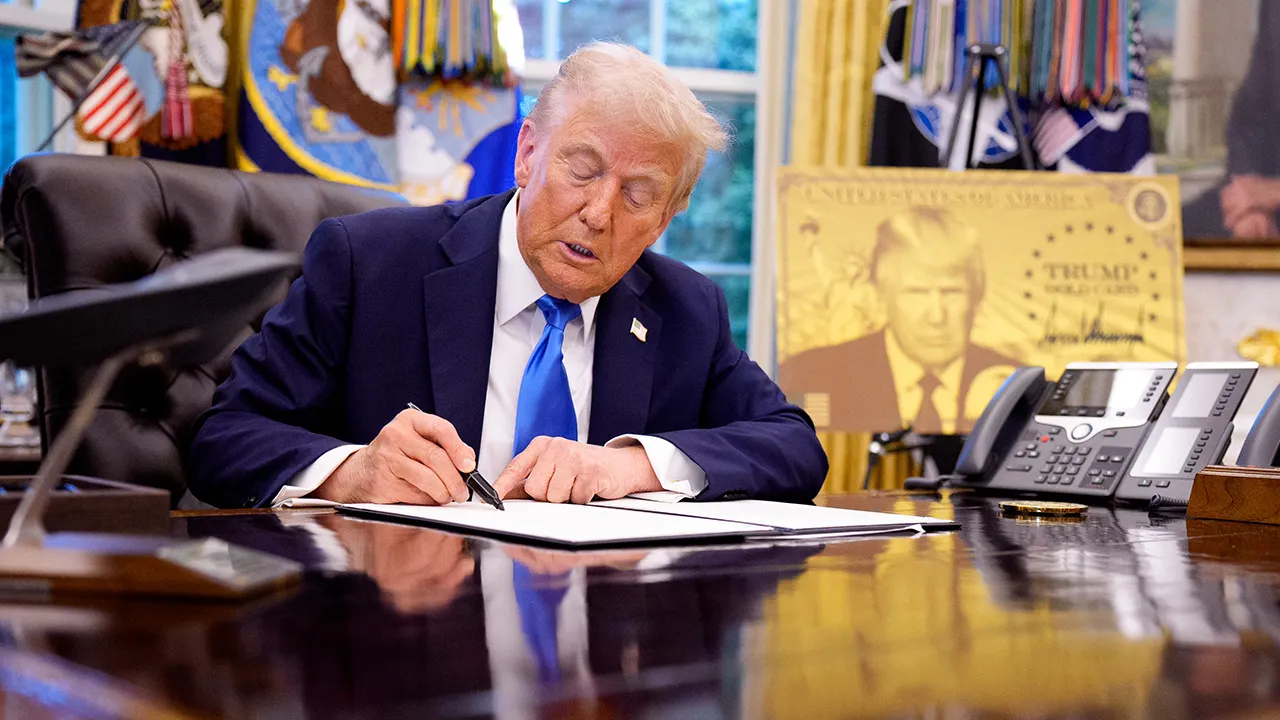
President Trump has signed an executive order overhauling the U.S. approach to foreign weapons sales, prioritizing national security interests and industrial capacity over bureaucratic processes that have long delayed deliveries to allies.
The order, obtained first by Fox News Digital, directs the Departments of War, State, and Commerce to ensure that arms transfers support weapon systems most relevant to the National Security Strategy, strengthen critical supply chains, and prioritize partners who have invested in their own defense capabilities.
Administration officials argue that previous arms transfer policies allowed foreign demand to dictate U.S. production decisions, resulting in significant backlogs, cost overruns, and delivery delays that have affected both the U.S. military and allies. Some partners have waited years for critical equipment, hampering their defense readiness.
“The America First Arms Transfer Strategy will now leverage over $300 billion in annual defense sales to strategically reindustrialize the United States and rapidly deliver American-manufactured weapons to help our partners and allies establish deterrence and defend themselves,” according to a White House fact sheet accompanying the order.
A central goal is addressing the notoriously slow foreign military sales process that defense officials and industry leaders have criticized for years. The order directs federal agencies to identify ways to streamline enhanced end-use monitoring requirements, third-party transfer approvals, and the congressional notification process – steps the administration identifies as major contributors to delays.
The executive action creates a new Promoting American Military Sales Task Force responsible for overseeing implementation of the strategy and tracking major defense sales across government agencies. In a move toward greater transparency and accountability, agencies will be required to publish quarterly performance metrics showing how quickly defense sales cases are being processed.
This approach represents a significant shift in how the United States prioritizes its security partnerships. The order instructs the government to favor countries that have demonstrated commitment to their own defense through investment and occupy strategically important regions, effectively aligning arms sales decisions more closely with U.S. military planning and geographic priorities.
Countries that don’t align with U.S. strategic or industrial objectives may face longer timelines or lower priority in the queue for American weapons. While the order does not name specific countries, it reflects an effort to focus limited U.S. production capacity on allies deemed most critical to executing the broader National Security Strategy.
The streamlining of oversight processes may draw congressional scrutiny. Lawmakers have historically emphasized the importance of monitoring how U.S. weapons are used once sold abroad and have insisted on being notified about major arms deals. These oversight mechanisms help prevent misuse of American weapons, even as members of Congress have criticized the delays these procedures can cause.
Defense industry analysts note that this represents a potentially transformative approach to defense exports, shifting from a reactive, case-by-case assessment to a more strategic framework that considers both industrial base needs and geopolitical priorities.
The order follows several recent defense-related executive actions taken by Trump. In January 2026, he signed an order directing defense contractors to prioritize production capacity, innovation and on-time delivery over stock buybacks and other corporate distributions. Earlier orders focused on improving the foreign military sales system and modernizing defense acquisitions while reducing bureaucratic hurdles across the defense industrial base.
The defense industry, which employs millions of Americans across all fifty states, stands to benefit from the increased focus on streamlined sales processes and enhanced production capabilities. However, implementation challenges remain, particularly in balancing speed with appropriate oversight to ensure U.S. weapons technology remains protected.
Fact Checker
Verify the accuracy of this article using The Disinformation Commission analysis and real-time sources.

9 Comments
This seems like a pragmatic move to support domestic industry and bolster key allies. Streamlining the export process could help get critical equipment to partners more quickly.
It will be interesting to see how this impacts the global arms trade landscape. Strengthening domestic industry could shift global power dynamics.
This policy shift could benefit certain metals and mining companies that supply the US defense industry. Investors may want to watch related commodity and equity trends.
I’m curious to see how this impacts the domestic defense industry and relations with partner nations. Balancing those interests will be key.
A fair point. Striking the right balance between commercial and strategic interests will be challenging but important.
Does this mean we’ll see more domestic manufacturing of defense hardware? That could be a boon for US industrial capabilities and employment in the sector.
Prioritizing national security and supply chain resilience over bureaucratic red tape makes sense. Reducing delays for allied weapons purchases is an important step.
Agreed. Equipping allies effectively is crucial for global stability and deterrence.
Prioritizing allies and supply chain security is prudent, but I hope this doesn’t lead to protectionism or undermine international cooperation on defense technology.