


Listen to the article
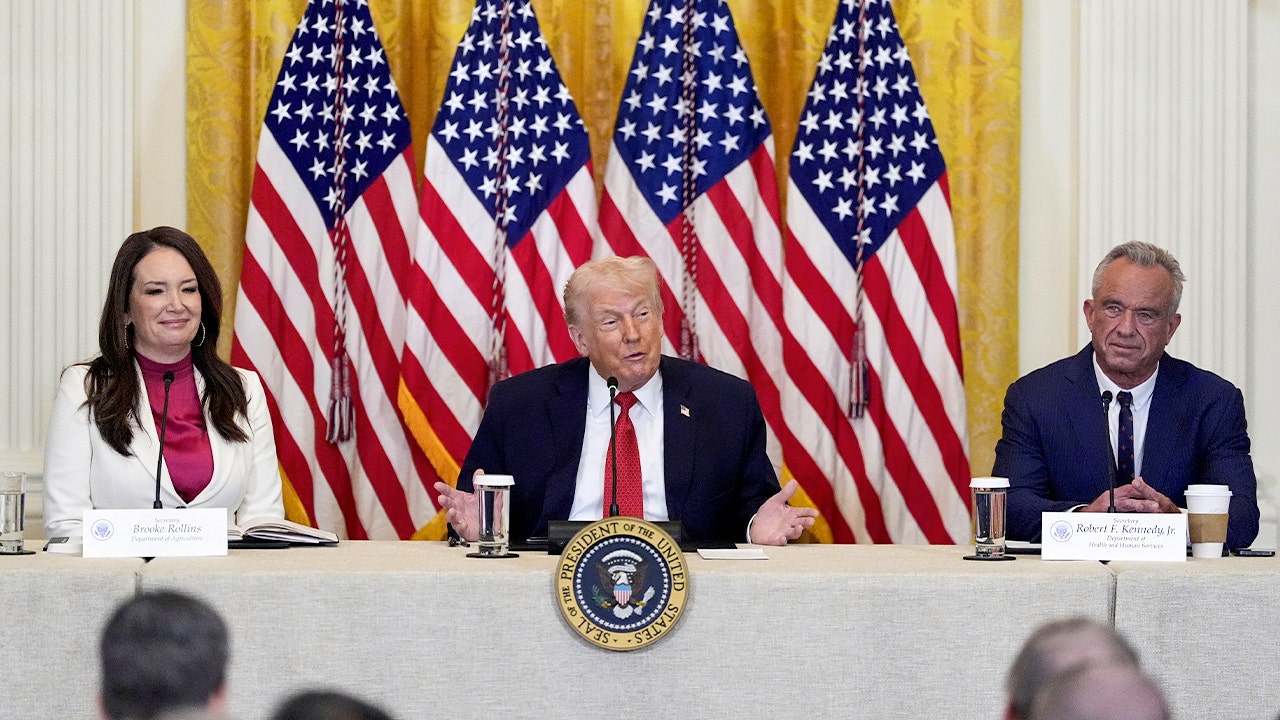
President Trump announced a significant $50 billion funding increase for rural healthcare across America during a White House roundtable on Friday. The investment, part of what the administration calls the “One Big Beautiful Bill Act,” aims to revitalize struggling rural hospitals and improve healthcare access in underserved communities nationwide.
“We increased funding for rural health care by an unprecedented, record-setting $50 billion over five years, which will benefit Americans in all 50 states,” Trump said during the event. The president emphasized that the funding was made possible by “cutting massive waste, fraud and abuse from Medicaid and reinvesting those funds to revitalize hospitals in our cherished rural communities.”
The new legislation directs half of the rural health funding to be distributed evenly among all 50 states, with the remaining funds allocated based on state-specific factors, including the condition of existing rural hospitals. Rural healthcare facilities have faced significant challenges in recent years, with over 150 rural hospitals closing across the country since 2010, according to healthcare industry data.
The White House roundtable featured several key administration officials, including Health and Human Services Secretary Robert F. Kennedy Jr., Agriculture Secretary Brooke Rollins, and Centers for Medicare & Medicaid Services Administrator Mehmet Oz. Several members of Congress and state governors also participated in the discussion.
The rural healthcare initiative is part of the administration’s broader “Great Healthcare Plan,” unveiled during a White House press briefing on Thursday. According to a fact sheet released by the White House, the plan focuses on lowering drug prices, reducing insurance premiums, holding insurance companies accountable, and maximizing price transparency in healthcare.
During Friday’s roundtable, Trump highlighted the price transparency component of the plan, noting that hospitals accepting Medicaid and Medicare would be required to prominently post prices so patients are aware of the cost of their care before receiving treatment. This measure builds on previous transparency initiatives the administration has championed since 2024.
Healthcare experts have noted that rural communities face unique challenges in accessing medical care. According to the National Rural Health Association, approximately 20% of Americans live in rural areas, but these regions are served by only about 10% of physicians. Rural residents typically travel farther for care, have higher rates of chronic disease, and face more limited access to specialized treatments.
Political analysts view the healthcare announcement as an effort by Trump to shape Republican messaging ahead of the 2026 midterm elections, as the party works to maintain its narrow majorities in both the House and Senate. Healthcare has consistently ranked among voters’ top concerns in recent election cycles.
The president expressed confidence that Republicans in Congress would support the plan, though he acknowledged that legislative action would be needed to fully implement the proposal. “Congress needs to act on this immediately,” Trump said. “Americans have waited too long for affordable, accessible healthcare.”
Rural state governors have generally responded positively to the funding announcement. Several Republican governors from states with significant rural populations attended the White House event, including Nebraska Governor Jim Pillen, who praised the initiative as “transformational for our rural communities.”
Critics have questioned whether the funding is sufficient to address the scope of rural healthcare challenges and have raised concerns about the administration’s broader healthcare approach, particularly regarding Medicaid spending reductions.
The $50 billion rural healthcare investment represents one of the largest targeted healthcare funding initiatives in recent years and highlights the ongoing challenge of delivering equitable healthcare access across America’s diverse geographic regions.
Fact Checker
Verify the accuracy of this article using The Disinformation Commission analysis and real-time sources.

8 Comments
This proposal could be a significant boost for rural communities, but I’m cautious about the reliance on Medicaid fraud reduction as the funding source. Reliable, long-term solutions are needed to address the systemic challenges facing rural healthcare.
Well said. Sustainable, multi-faceted strategies will be crucial to truly revitalizing rural healthcare in the long run.
While the goal of improving rural healthcare access is admirable, I’m concerned about the potential unintended consequences of redirecting Medicaid funds. More transparency and stakeholder input will be important to ensure this plan is effective and equitable.
Interesting proposal to boost rural healthcare funding through Medicaid fraud reduction. It’s a creative approach, but details on implementation and oversight will be critical to ensure the funds are used effectively.
Agreed, the devil is in the details. Proper monitoring and accountability measures will be key to ensuring the funding reaches the intended rural communities and hospitals.
Reducing Medicaid fraud and reinvesting those savings into rural healthcare is an interesting approach. I hope the administration can provide more details on the anti-fraud measures and how they arrived at the $50 billion figure.
This could be a positive step in addressing the challenges faced by rural healthcare facilities, which have struggled with closures and access issues. However, I’m curious to see the specific breakdown of how the $50 billion will be allocated across the states.
Yes, the state-specific factors used to distribute the remaining funds will be important to understand. Equitable access should be a top priority.