


Listen to the article
President Trump announced Thursday that he would block federal funding earmarked for low-income housing in the upscale Pacific Palisades neighborhood of Los Angeles, an area still recovering from devastating wildfires last year.
“They want to build a low-income housing project right in the middle of everything in Palisades, and I’m not going to allow it to happen,” Trump stated during a Cabinet meeting. “I’m not going to let these people destroy the value of their houses.”
Trump, who noted his own experience in the sector, added: “I built a lot of low-income housing. I made a lot of money building low-income housing.” He criticized California’s fire response, claiming the disaster was worsened because officials “didn’t allow water to come down from the Pacific Northwest.”
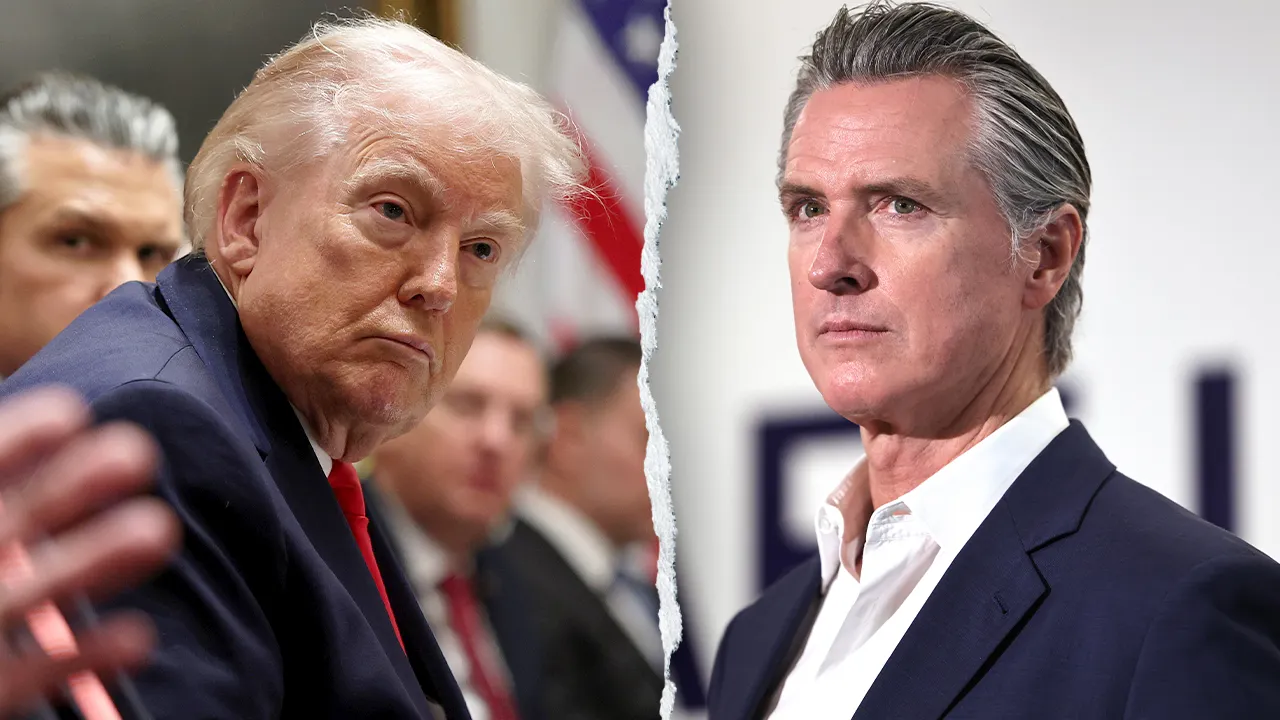
The president has been openly critical of California Governor Gavin Newsom and Los Angeles Mayor Karen Bass regarding their management of the fire recovery efforts. During the meeting, Trump highlighted that the federal government had succeeded in expediting rebuilding permits before state and local authorities were able to do so.
As part of his directive, Trump tasked EPA Administrator Lee Zeldin with ensuring affected residents can obtain necessary permits. He also instructed Treasury Secretary Scott Bessent to prevent California from receiving financing for the proposed housing project.
Governor Newsom’s office has pushed back against the characterization that funds were designated solely for affordable housing in Pacific Palisades. In July, the governor’s office posted on social media: “This funding is not limited to the Palisades. It supports affordable housing in multiple wildfire-impacted communities, including Altadena.”
The dispute centers on $101 million committed by Newsom and the California Department of Housing and Community Development in July 2025 — six months after the fires — intended to “rapidly rebuild critically needed, affordable multifamily rental housing in the fire-devastated Los Angeles region.”
Newsom defended the initiative, stating, “Thousands of families — from Pacific Palisades to Altadena to Malibu — are still displaced, and we owe it to them to help. The funding we’re announcing today will accelerate the development of affordable multifamily rental housing so that those rebuilding their lives after this tragedy have access to a safe, affordable place to come home to.”
The funding package includes grants for infrastructure needed for disaster-resilient housing, low-interest loans for construction of new affordable multifamily units, and reserve funds to ensure financial viability of the projects. Under the initiative, all projects receiving funding must remain affordable for 55 years.
The clash highlights ongoing tensions between federal and state authorities over disaster recovery approaches and affordable housing initiatives in California. The Pacific Palisades neighborhood, known for its affluence and high property values, suffered significant damage during last year’s wildfires that swept through parts of Los Angeles.
The dispute also reflects broader policy differences regarding housing and land use in areas recovering from natural disasters. While state officials emphasize the need for affordable housing across affected areas, the Trump administration has expressed concerns about potential impacts on existing property values and neighborhood character.
The rebuilding efforts in Los Angeles continue to face challenges one year after the fires, with many residents still displaced and awaiting permits to rebuild their homes. The conflict over funding priorities could potentially delay recovery efforts in a region already struggling to address both immediate rebuilding needs and longer-term housing affordability concerns.
As the situation develops, thousands of California families remain caught between competing visions for recovery in one of the nation’s most expensive housing markets.
Fact Checker
Verify the accuracy of this article using The Disinformation Commission analysis and real-time sources.

10 Comments
It’s disappointing to see the administration double down on exclusionary housing policies, even in the aftermath of a major disaster. Affordable options should be part of the rebuilding process to benefit all members of the community, not just the wealthy.
President Trump’s claim that he has experience building successful low-income housing projects seems questionable. His history suggests more focus on luxury developments catering to the wealthy. I’m skeptical this decision is motivated by genuine concern for local residents.
You make a fair point. Trump’s real estate background is heavily weighted toward high-end commercial and residential properties, not affordable housing. His stated reasons for blocking this project seem more politically driven than rooted in community interests.
The President’s claim that he has experience in successful low-income housing development rings hollow. His real estate track record indicates a focus on luxury projects, not affordable housing. I question whether this decision truly serves the interests of local Pacific Palisades residents.
This is a concerning move by the President to block affordable housing in an upscale neighborhood. Low-income families need access to housing options across all communities, not just relegated to certain areas. I hope this decision is reconsidered.
I agree, preventing low-income housing in affluent areas reinforces segregation and inequality. All neighborhoods should have diverse housing options to promote inclusive communities.
While I understand the President’s desire to protect property values, blocking low-income housing is the wrong approach. Diverse, integrated neighborhoods are healthier and more resilient in the long run. This decision seems motivated more by politics than community wellbeing.
Blaming California officials for the wildfires’ devastation is a typical Trump tactic – deflecting responsibility and making unsubstantiated claims. Expediting rebuilding permits is positive, but preventing low-income housing opportunities undermines recovery efforts.
Absolutely. Scapegoating state and local leaders for natural disaster impacts is unproductive. The President should focus on supporting equitable, sustainable rebuilding rather than politicizing the situation.
Preventing access to low-income housing in affluent areas perpetuates segregation and limits economic mobility. While protecting property values is understandable, this decision appears to prioritize the concerns of the wealthy over the needs of disadvantaged communities.