


Listen to the article
SBA Halts $5.5 Million in Minnesota Funding Amid Massive Fraud Scandal
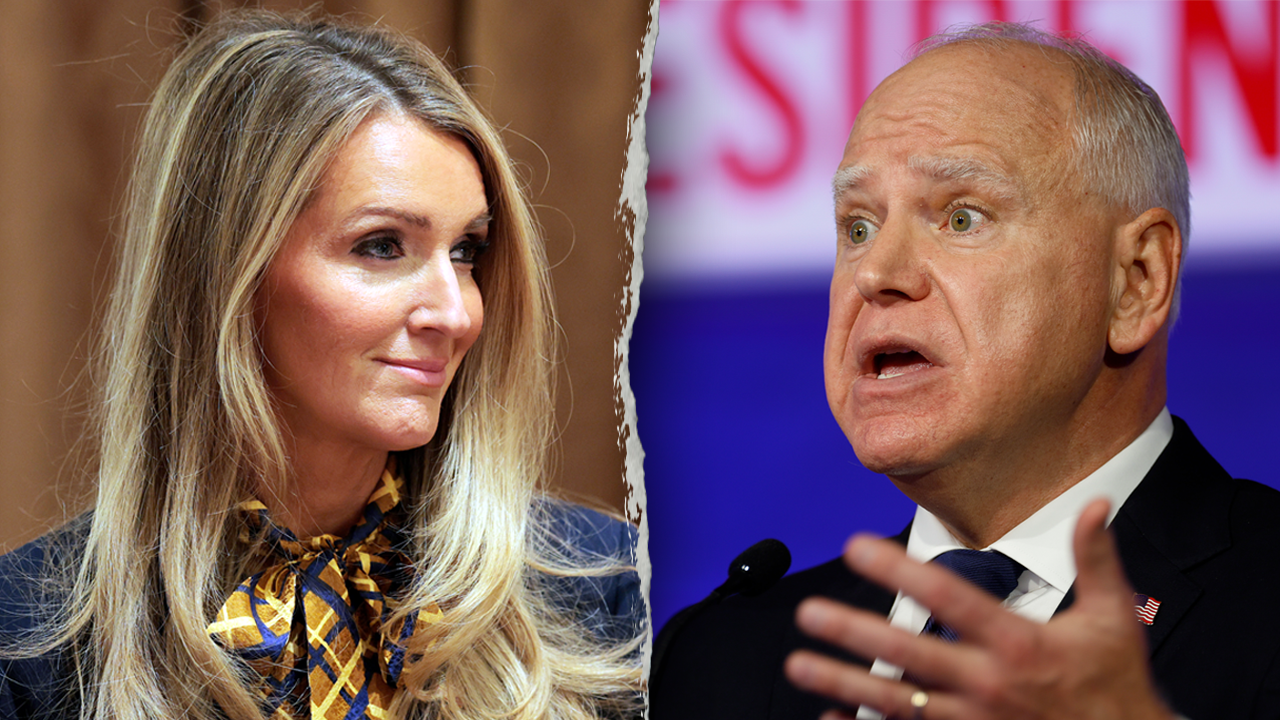
Federal Small Business Administration (SBA) Administrator Kelly Loeffler has suspended more than $5.5 million in annual support to resource partners in Minnesota, citing a “fundamental breakdown in the public trust” under Governor Tim Walz’s leadership.
In a strongly worded letter sent Tuesday to Governor Walz, Loeffler announced the immediate halt of federal disbursements “until further notice,” as Minnesota grapples with what has become the largest fraud scandal of the COVID-19 pandemic era.
“Under your leadership, Minnesota failed to safeguard taxpayer dollars, and SBA will not continue to place federal resources at risk in a state where oversight measures are ignored and accountability is abandoned,” Loeffler wrote.
The decision follows recent revelations from U.S. Attorney Joseph Thompson, who stated last Thursday that a “significant amount” of $18 billion worth of Medicaid funding was likely lost to fraud in the state. According to Loeffler’s letter, the final figure of fraudulent activity could reach at least $9 billion.
At the center of the scandal is a Somali fraud network that allegedly netted $1 billion through schemes centered in Minneapolis. Loeffler noted that at least half of certain Medicaid funding programs subsidized by Minnesota taxpayers have been “pocketed by criminals.”
The SBA identified approximately $2.5 million in Paycheck Protection Program (PPP) and Economic Injury Disaster Loan (EIDL) funds issued during the pandemic that were tied directly to this fraud scheme. Even more concerning, another $430 million in PPP subsidies—representing about 13,000 individual loans—had been flagged as potentially fraudulent but were funded anyway. Many of these loans were subsequently forgiven during the Biden administration.
The immediate funding freeze affects several critical small business support programs in Minnesota, including $2.22 million in Small Business Development Center awards, $450,000 for women’s business centers, $2.6 million in “microloan” awards for fiscal year 2025, and approximately $550,000 in other disbursements.
Loeffler’s letter also criticized the governor’s response to early warning signs, claiming that when “legislators and whistleblowers raised concerns about potential abuse during the pandemic, your Administration resisted oversight, refused accountability, and allowed the misconduct to metastasize.”
The administrator specifically took issue with what she characterized as Walz dismissing some criticisms of his administration’s “generosity” as “racism.” Governor Walz has previously stated that fraudsters in Minnesota will face prison time regardless of “color” or “religion,” while cautioning against “demonizing an entire population.”
The scandal has drawn attention from multiple federal agencies. The Department of Agriculture, which oversees SNAP and other nutrition assistance programs, and Treasury Secretary Scott Bessent have launched their own investigations into the matter.
Loeffler described Minnesota’s fraud scandals as the consequence of “socialist policies deliberately designed to pump out welfare funding without oversight or accountability,” and concluded her letter with a pointed message: “SBA’s responsibility is to taxpayers and small business owners, not to criminals or the politicians who enable them—We will continue to do what you did not: protect federal dollars on behalf of the American people.”
The funding suspension represents a significant escalation in federal response to the Minnesota fraud case, which continues to grow in scope and severity as investigations progress. The scandal raises broader questions about oversight mechanisms for federal assistance programs and the balance between efficient aid distribution and proper safeguards against fraud.
Governor Walz’s office has not yet responded to requests for comment on the SBA’s decision or the broader allegations regarding his administration’s handling of the fraud situation.
Fact Checker
Verify the accuracy of this article using The Disinformation Commission analysis and real-time sources.

9 Comments
Fraud in government aid programs is always disappointing, but the reported scale of the issue in Minnesota is particularly troubling. I hope the investigation leads to accountability for those responsible and constructive changes to improve oversight and transparency.
Fraud in government aid programs is always disappointing, and the scale of the alleged issues in Minnesota is particularly concerning. I hope the SBA’s actions, while necessary to protect taxpayer funds, are implemented in a way that minimizes disruption to legitimate businesses and individuals. A fair, fact-based approach is crucial.
This is a concerning situation that highlights the importance of strong fraud prevention measures for government aid programs. While the scale of the alleged fraud is troubling, I hope the authorities can get to the bottom of it and implement reforms to better protect taxpayer money going forward.
This is a serious allegation that deserves a thorough, impartial investigation. While protecting taxpayer funds is crucial, it’s important that the SBA’s actions are proportionate and don’t unfairly penalize the broader community. I hope all parties can work together to resolve this issue.
It’s concerning to hear about the alleged fraud and misuse of government aid funds in Minnesota. While the SBA’s decision to freeze funding is understandable, I hope the investigation leads to accountability for the bad actors involved and constructive reforms to strengthen oversight going forward.
This is a complex issue that requires a nuanced approach. While the reported fraud is troubling, it’s critical that the SBA’s actions don’t unfairly penalize the broader community. I hope the investigation leads to accountability for those responsible and constructive reforms to improve oversight of these vital aid programs.
This is a concerning development. It’s critical that government aid programs have proper safeguards to prevent fraud and misuse of taxpayer funds. While the scale of the alleged fraud is troubling, I hope the investigation leads to accountability and reforms to strengthen oversight.
It’s good that the SBA is taking steps to protect taxpayer money, but the scale of the alleged fraud is alarming. I hope this leads to a thorough investigation and meaningful reforms to improve oversight and accountability for these critical relief programs.
Fraud in government aid programs is a serious issue that needs to be addressed. However, it’s important to ensure due process and avoid overly broad actions that could penalize legitimate businesses and individuals. I hope the SBA and state authorities can work together to resolve this in a fair and transparent manner.