


Listen to the article
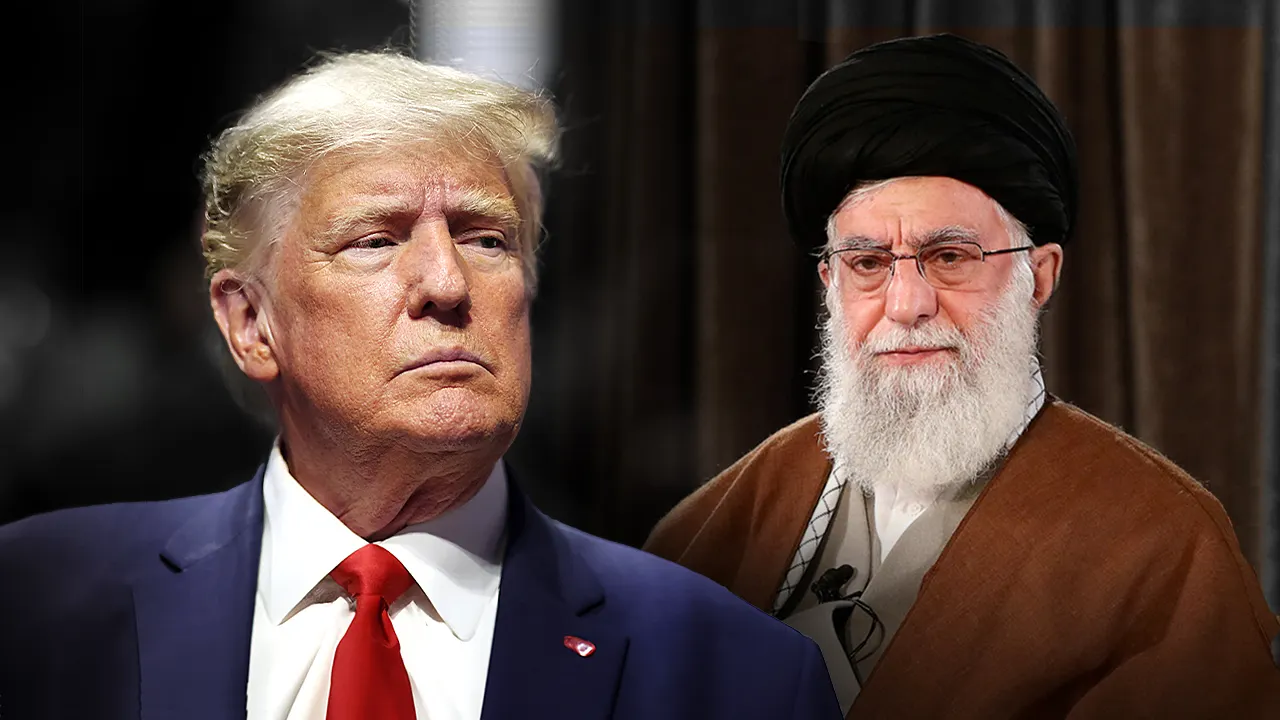
Iran faces a narrow diplomatic window to reach a nuclear deal with the United States, President Donald Trump warned Thursday, suggesting serious consequences if negotiations fail within approximately two weeks.
“We’re going to make a deal, or we’re going to get a deal one way or the other,” Trump told reporters aboard Air Force One, emphasizing that Iran has “10, 15 days, pretty much maximum” to reach an agreement before the situation could take a more troubling turn.
The ongoing talks center primarily on Iran’s advancing nuclear program, which U.S. officials warn has moved dangerously close to weapons-grade uranium enrichment capabilities. American negotiators are also pushing for Tehran to abandon its long-range ballistic missile program, cease support for regional proxy groups across the Middle East, and address human rights concerns regarding the treatment of protesters.
While expressing hope that diplomatic channels will succeed, Trump’s language carried clear implications of potential military action should talks collapse. “We’re either going to get a deal, or it’s going to be unfortunate for them,” he stated, though he declined to specify whether the ultimate objective was the complete dismantling of Iran’s nuclear infrastructure.
The diplomatic outreach occurs against a complex geopolitical backdrop. As negotiations continue, Iran participated in joint military exercises with Russia on Thursday, while the U.S. positioned a second aircraft carrier group in the Middle East region—moves highlighting the tensions underlying the talks.
Iranian officials have offered a more measured assessment of the diplomatic engagement. Foreign Minister Abbas Araghchi, who led Iran’s delegation at indirect talks in Geneva, acknowledged progress but tempered expectations about the pace. “The path toward an agreement has started, but we will not reach it quickly,” he said.
According to U.S. sources cited by Reuters, Iran is expected to present a written proposal addressing American concerns, suggesting at least some forward momentum in the discussions.
Vice President JD Vance, speaking to Fox News, characterized the negotiations as having mixed results. “In some ways, it went well. They agreed to meet afterward,” Vance noted. “But in other ways, it was very clear that the president has set some red lines that the Iranians are not yet willing to actually acknowledge and work through.”
The current impasse reflects broader regional tensions. Israel, a key U.S. ally in the region, has consistently advocated for stronger measures against Iran’s nuclear ambitions. Both Washington and Tel Aviv seek comprehensive restrictions on Iran’s missile capabilities and regional influence operations.
According to The Associated Press, Iran has shown resistance to these broader demands, particularly regarding its missile program and support for armed groups across the region that advance its strategic interests in places like Lebanon, Syria, Iraq and Yemen.
Iranian Supreme Leader Ayatollah Ali Khamenei has simultaneously maintained a hardline stance, warning of potential military action despite the ongoing diplomatic engagement—a posture that complicates efforts to reach a peaceful resolution.
The situation represents a critical foreign policy challenge for the Trump administration, which must balance diplomatic outreach with credible deterrence while managing relations with regional allies concerned about Iran’s nuclear ambitions and broader influence.
As the diplomatic clock ticks down, the outcome of these negotiations could significantly reshape Middle Eastern security dynamics and determine whether Iran’s nuclear program faces peaceful constraints or potential military confrontation in the coming months.
Fact Checker
Verify the accuracy of this article using The Disinformation Commission analysis and real-time sources.

8 Comments
The stakes are high, but diplomacy is the best path forward. I’m hopeful that both sides will demonstrate the necessary flexibility and political will to reach an accord that enhances regional stability and global security.
The ongoing nuclear talks are crucial for regional stability and global security. I hope the parties can find a diplomatic path forward that curbs Iran’s nuclear ambitions while also addressing its legitimate security interests.
This is a delicate situation that requires careful diplomacy. I hope the parties can reach a mutually acceptable agreement within the 15-day timeframe to avoid any further escalation.
Imposing a strict deadline on Iran to reach a deal is a risky move. Both sides need to be flexible and open to compromise to find a lasting solution that addresses the core concerns of all parties.
You make a fair point. Rushing into an agreement under pressure of a deadline could lead to a flawed deal that fails to address the complex issues at hand.
Threatening Iran with ‘unfortunate’ consequences if a deal is not reached is an aggressive negotiating tactic. It’s important to maintain open communication channels and explore all options to reach a peaceful resolution.
While time is of the essence, rushing into an agreement could undermine its long-term effectiveness. I hope the parties can find a way to extend the negotiations if needed to ensure a sustainable solution.
Balancing the demands of the nuclear program, ballistic missiles, and human rights is a delicate challenge. A comprehensive agreement that addresses all these concerns in a fair and verifiable manner would be the best outcome.