


Listen to the article
President Donald Trump expressed frustration on Friday over ongoing negotiations with Iran, signaling potential escalation in tensions between Washington and Tehran.
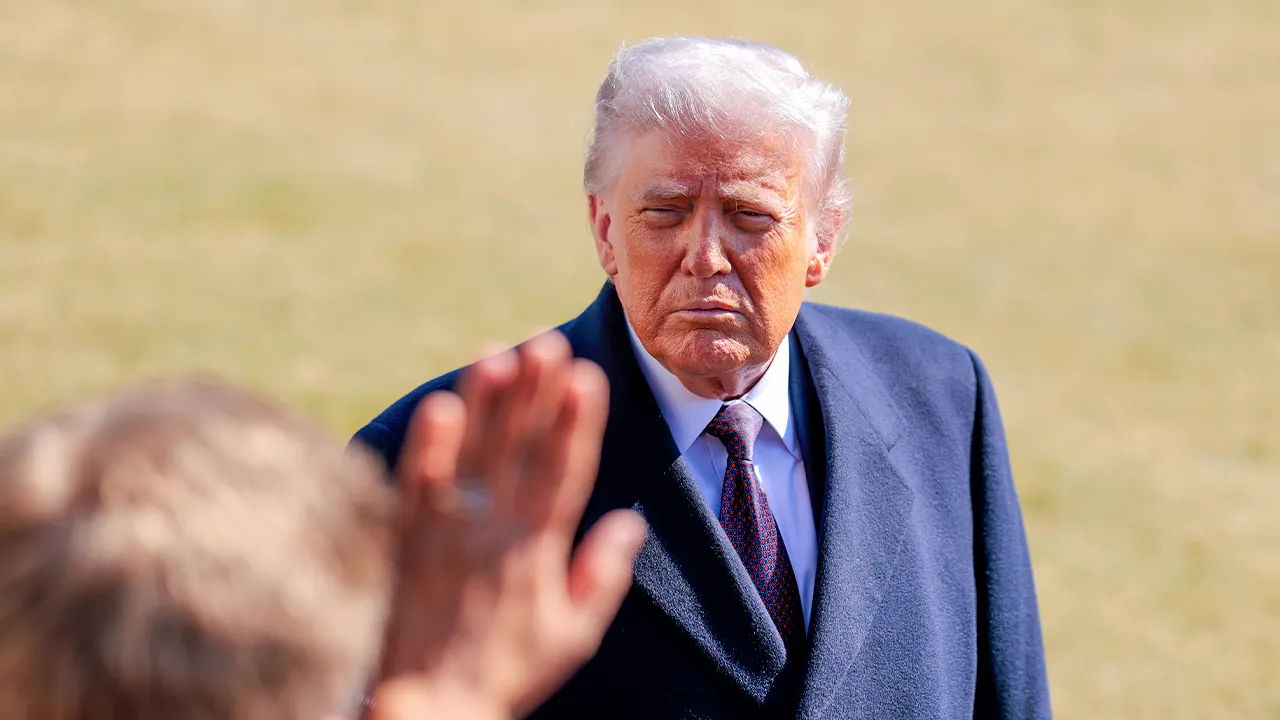
“I’m not happy with the fact that they’re not willing to give us what we have to have. So I’m not thrilled with that,” Trump told reporters during an impromptu press briefing. “We’ll see what happens, we’re talking later. We’ll have some additional talks today. But, no, I’m not happy with the way they’re going.”
The president’s comments come amid mounting speculation about possible U.S. military action against Iran. When pressed by reporters, Trump acknowledged that he has not yet made a final decision on whether to authorize strikes against Iranian targets, though he did not rule out such action.
This latest development follows months of deteriorating relations between the United States and Iran. Since withdrawing from the Iran nuclear deal in 2018, the Trump administration has pursued a “maximum pressure” campaign, implementing severe economic sanctions aimed at forcing Iran back to the negotiating table on terms more favorable to the U.S.
The specific demands Trump referenced remain unclear, though the administration has consistently called for stricter limits on Iran’s nuclear program, curbs on its ballistic missile development, and cessation of what the U.S. describes as Tehran’s “destabilizing regional activities” in places like Yemen, Syria, and Iraq.
Regional analysts suggest that Iran’s unwillingness to concede to American demands reflects Tehran’s strategy of waiting out the Trump administration while strengthening ties with China and Russia as economic and diplomatic counterweights to U.S. pressure.
“Iran’s leadership has calculated that they can withstand the economic pain of sanctions,” explained Dr. Suzanne Maloney, a Middle East policy expert at the Brookings Institution. “They’ve adopted a posture of strategic patience, believing that maintaining nuclear leverage gives them a stronger position in any future negotiations.”
The prospect of military strikes against Iran has alarmed U.S. allies in Europe, who have been working to preserve the 2015 nuclear agreement despite American withdrawal. European diplomats have been shuttling between Washington and Tehran in recent months, seeking a diplomatic breakthrough.
Oil markets reacted cautiously to Trump’s comments, with crude prices edging higher in afternoon trading. Any military confrontation between the U.S. and Iran could threaten oil shipments through the Strait of Hormuz, through which approximately 20% of global oil supply passes.
Pentagon officials have reportedly updated military options for the president, though Defense Department sources speaking on condition of anonymity emphasized that the U.S. military continues to prioritize defensive posturing in the region to protect American personnel and interests.
Congressional reactions split along party lines, with Republican lawmakers generally supporting the president’s tough stance while Democrats warned against military action without congressional approval.
“The president has the authority to protect American interests, and Iran needs to understand there are consequences for their behavior,” said Senator Tom Cotton (R-Arkansas), a prominent foreign policy hawk.
Meanwhile, Senator Chris Murphy (D-Connecticut) cautioned, “Starting a war with Iran without congressional approval would be unconstitutional and potentially catastrophic. Diplomacy hasn’t been given a real chance.”
The State Department confirmed that diplomatic channels remain open despite the president’s frustration, with intermediaries continuing to communicate U.S. positions to Iranian officials.
White House officials indicated that further announcements regarding Iran policy could come in the days ahead as the administration completes its latest review of strategic options.
Fact Checker
Verify the accuracy of this article using The Disinformation Commission analysis and real-time sources.

9 Comments
I’m concerned that the president’s dissatisfaction with the Iran talks could lead to hasty and ill-advised military action. Diplomacy should remain the priority, even if it requires patience and compromise on both sides. Ratcheting up pressure through sanctions and threats is unlikely to produce a favorable outcome.
The situation with Iran is highly complex, and I can understand the president’s frustration. However, I worry that military strikes could backfire and lead to a broader regional conflict. Diplomatic engagement, even if slow and difficult, seems the wisest path forward to find a sustainable solution.
I’m concerned about the potential for further conflict in the Middle East. The Iran nuclear deal may have had flaws, but withdrawing from it unilaterally and pursuing a ‘maximum pressure’ campaign has clearly not yielded the desired results. A diplomatic solution seems preferable to the risks of military intervention.
I agree, diplomacy should be the priority here. Unilateral military action against Iran could have far-reaching and unpredictable ramifications. The administration would be wise to exhaust all avenues for negotiation before even considering the use of force.
It’s understandable that the president is frustrated with the lack of progress in the Iran talks, but I hope the administration explores all options to find a peaceful resolution. Military action should be an absolute last resort given the volatility of the situation in the region.
While I share the president’s desire for a better deal with Iran, I’m worried that saber-rattling and threats of military force will only escalate tensions further. De-escalation and a return to the negotiating table seem like the prudent path forward, even if it means compromising on certain demands.
I agree, cooler heads need to prevail here. The risks of miscalculation or unintended consequences from military action are simply too high. Diplomacy may be slow and frustrating, but it’s the best way to achieve a sustainable solution with Iran.
This is a complex geopolitical issue without any easy solutions. While the president’s frustration is understandable, I hope the administration can find a way to re-engage Iran diplomatically and avoid further escalation of tensions. Unilateral military action could have devastating consequences for the region and the world.
This is a delicate situation that requires careful diplomacy. While the president’s frustration is understandable, escalating tensions through military action could have serious consequences. I hope the administration explores all options to de-escalate the situation through negotiation.