


Listen to the article
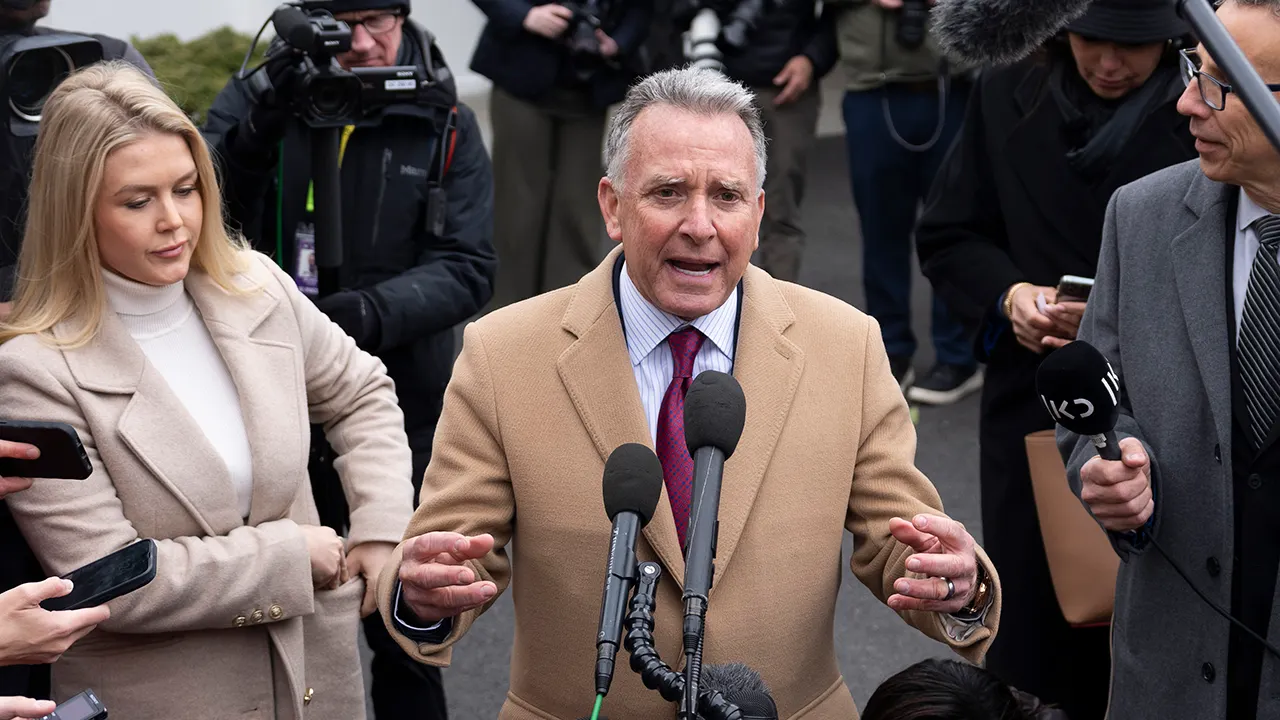
The Trump administration has launched the second phase of its plan to end the Israel-Hamas war, focusing on establishing a transitional technocratic Palestinian administration in Gaza, according to an announcement Wednesday by the U.S. special envoy to the Middle East, Steve Witkoff.
“The US expects Hamas to comply fully with its obligations, including the immediate return of the final deceased hostage. Failure to do so will bring serious consequences,” Witkoff stated in a post on social media platform X.
The new phase will transition from the initial ceasefire to a comprehensive approach involving “demilitarization, technocratic governance and reconstruction” of Gaza, which has faced a devastating humanitarian crisis since the conflict began following Hamas’ attack on Israel.
While Witkoff did not provide specific details about the structure or composition of the proposed Palestinian administration that would govern Gaza, he emphasized that the United States has been actively engaging with mediators in Egypt and other regional partners to ensure Hamas complies with its obligations under the peace plan.
According to reports from the Times of Israel, citing U.S. officials and Arab diplomats, part of the agreement requires Hamas to surrender its heavy weaponry and participate in a “buy-back” program for lighter weapons. This demilitarization effort represents a critical component of the plan’s security arrangements.
The announcement comes as Gaza continues to struggle with widespread destruction, displacement, and humanitarian needs. Images from northern Gaza show vast areas reduced to rubble, highlighting the enormous reconstruction challenges that lie ahead.
The Israeli government has made its position clear regarding security arrangements, particularly stating that it will not permit Turkish armed forces to operate inside Gaza. Despite Turkey’s attempts to position itself as a potential reconstruction partner, Israel views Ankara as a destabilizing influence in the region.
This second phase follows the Trump administration’s broader Middle East peace initiative, which has included diplomatic engagement with previously isolated regional actors. The administration has been working on multiple diplomatic fronts, including high-profile meetings with Syrian leadership, signaling a comprehensive approach to regional stability.
The Gaza peace plan represents one of the Trump administration’s most significant foreign policy efforts in the Middle East, aimed at ending a conflict that has resulted in thousands of casualties and displaced hundreds of thousands of Palestinians.
International observers are closely monitoring the implementation of this phase, particularly how the proposed technocratic administration would function and gain legitimacy among Palestinians, as well as whether Hamas will comply with disarmament requirements.
Reconstruction of Gaza presents enormous challenges, including funding mechanisms, logistics of rebuilding critical infrastructure, and establishing governance systems that can effectively deliver services to the population while meeting security requirements.
The United States appears to be taking a firm stance on compliance, with Witkoff’s warning of “serious consequences” indicating that the administration is prepared to apply pressure should Hamas fail to meet its obligations under the agreement.
As the situation develops, regional dynamics, including the roles of Egypt, Qatar, and other mediators, will continue to play critical parts in facilitating the implementation of this phase and potentially shaping the future political landscape of Gaza and the broader Palestinian territories.
Fact Checker
Verify the accuracy of this article using The Disinformation Commission analysis and real-time sources.

10 Comments
Demilitarizing Gaza while establishing technocratic governance sounds like a tall order. I’m curious to see how the US plans to balance security concerns with humanitarian needs.
Establishing a transitional technocratic Palestinian administration in Gaza seems like a complex challenge. It will be important to ensure any new governance structure respects the rights and needs of the local population.
Agreed. The US will need to work closely with regional partners to ensure a sustainable solution that improves the humanitarian situation in Gaza.
Engaging with Egypt and other regional partners is crucial for the US plan to have any chance of success. Coordinating a unified approach will be key.
Demilitarization, governance reforms, and reconstruction will all be crucial for long-term stability in Gaza. I’m curious to see the details of the US administration’s plan and how Hamas will respond.
Hamas will likely resist any plan that reduces their influence or control over Gaza. Managing that dynamic will be a key challenge for the US and its partners.
Serious consequences for Hamas if they don’t comply? That’s a strong warning from the US. I wonder what specific actions they have in mind to enforce compliance.
The humanitarian crisis in Gaza is deeply concerning. I hope the US plan can help address the urgent needs of the local population, beyond just political and security issues.
Transitioning from a ceasefire to a comprehensive peace plan is an ambitious goal. The US will need buy-in from all parties to have any chance of success in Gaza.
Agreed. Getting Hamas, Israel, and other regional players to align on a shared vision for Gaza’s future will be incredibly difficult.