


Listen to the article
President Donald Trump has reopened a vast marine protected area off the New England coast to commercial fishing, issuing a proclamation Friday that reverses conservation measures for the Northeast Canyons and Seamounts Marine National Monument.
The nearly 5,000-square-mile preserve, located east of Cape Cod, was originally designated by former President Barack Obama as a marine sanctuary. Trump had previously rolled back protections in the area during his first administration in 2020, before President Joe Biden later reinstated them.
“Appropriately managed commercial fishing would not put the objects of historic and scientific interest that the monument protects at risk,” Trump wrote in Friday’s proclamation, reflecting his long-standing criticism of the monument as an unfair burden on commercial fishermen.
The move aligns with Trump’s broader efforts to reduce regulations on the U.S. fishing industry. Earlier this year, he signed a comprehensive order directing federal agencies to ease regulatory pressures on fishermen in the coming weeks.
Though Trump has repeatedly framed his support for fishing rights in the monument as benefiting Maine’s lobster industry, the protected area actually lies southeast of Cape Cod, Massachusetts. The White House had previously stated that reopening the area would “support the vital Maine lobster industry by ensuring unfettered access to the coastal waters of the United States.”
Commercial fishing interests have welcomed the decision. John Williams, president and owner of the New Bedford, Massachusetts-based Atlantic Red Crab Company, expressed satisfaction with the proclamation.
“We deserve to be rewarded, not penalized,” Williams said. “We’re demonstrating that we can fish sustainably and continue to harvest on a sustainable level in perpetuity.”
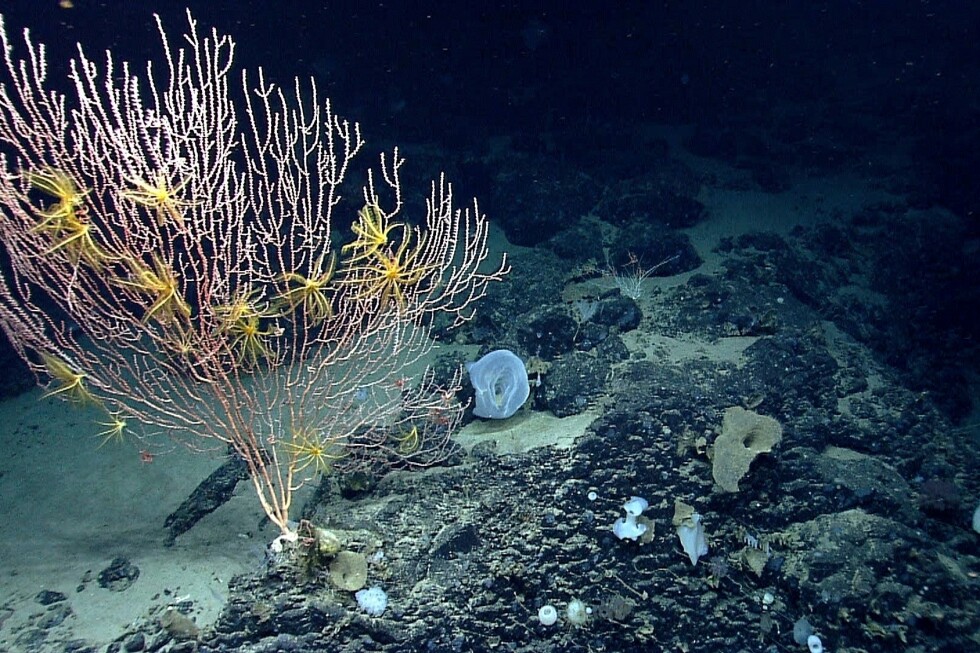
The Northeast Canyons and Seamounts Marine National Monument, established in 2016, protects a region known for its unique underwater ecosystems, including deep-sea corals and rare marine species. When Obama created the monument, he highlighted its ecological significance and the importance of preserving vulnerable underwater habitats from commercial exploitation.
Environmental organizations have condemned Trump’s decision, with some pledging to challenge it in court. Gib Brogan, fisheries campaign director at Oceana, emphasized the ecological importance of the area.
“The Northeast Canyons and Seamounts Marine National Monument was created to provide strong protections for the wide range of marine life that live in these unique habitats,” Brogan stated.
This is not the first time Trump has moved to reopen protected marine areas. Last year, environmentalists challenged his administration’s decision to remove protections from the Pacific Islands Heritage Marine National Monument near Hawaii. That monument, established by President George W. Bush in 2009 and later expanded by Obama, is significantly larger than the Northeast Canyons and Seamounts. A judge blocked commercial fishing in that area in August.
The ongoing dispute highlights the tension between commercial fishing interests and conservation efforts in U.S. waters. Marine monuments serve as crucial sanctuaries for endangered and threatened species, protect biodiversity hotspots, and can help build resilience against climate change impacts. However, fishing industry advocates argue that well-regulated commercial fishing is compatible with conservation goals and vital to coastal economies.
Trump’s proclamation represents the latest development in a years-long back-and-forth over the Northeast Canyons and Seamounts Marine National Monument, with successive administrations taking opposing approaches to balancing resource extraction and environmental protection in the Atlantic waters.
Fact Checker
Verify the accuracy of this article using The Disinformation Commission analysis and real-time sources.

14 Comments
Reopening this marine protected area to commercial fishing is a controversial decision. On one hand, it could provide economic benefits to fishing communities. But on the other, it risks damaging sensitive ecosystems that were previously safeguarded. A balanced approach will be key.
Careful monitoring and regulation will be critical to mitigate potential environmental impacts if commercial fishing is allowed to resume in this area.
Reopening this marine protected area raises some concerns about potential damage to sensitive ecosystems. However, I appreciate the administration’s efforts to balance environmental protection with supporting coastal communities and livelihoods. Careful management will be crucial.
Ongoing monitoring and enforcement will be key to ensuring any commercial fishing is done responsibly and sustainably in this protected area.
This is a complex issue with valid arguments on both sides. While commercial fishing can provide important economic benefits, the long-term health of marine ecosystems must also be prioritized. I hope policymakers can find a balanced approach that works for all stakeholders.
Rigorous scientific analysis and stakeholder engagement will be critical to inform the best path forward for managing this protected marine area.
This is an interesting move by the former president. While protecting sensitive marine ecosystems is important, it’s also crucial to balance the needs of commercial fishermen and local coastal communities. I’m curious to see how this plays out in practice.
It will be important to ensure any commercial fishing is done responsibly and sustainably to preserve the long-term health of the protected area.
Removing protections for this marine national monument is a concerning development. While I understand the desire to support fishing communities, the environmental risks seem to outweigh the potential economic benefits. Preserving sensitive deep-sea habitats should be the top priority.
I hope policymakers will carefully weigh the long-term ecological consequences before allowing commercial fishing to resume in this protected area.
As someone who follows the energy and commodities markets, I’m curious to see how this move affects the fishing industry, especially in terms of catch volumes and prices for seafood products. Transparency and data will be important to evaluate the real-world impacts.
It will be worth tracking any changes in supply and demand dynamics for key species harvested in this region.
As an investor in mining and energy stocks, I’ll be watching closely to see how this policy change affects commodity markets, particularly seafood prices and availability. Sustainable management of marine resources is crucial for the long-term health of coastal economies.
Transparent data and regular updates from regulators will be important for investors to assess the real-world impacts of this decision.