


Listen to the article
President Trump Defends Federal Law Enforcement Efforts, Claims Crime Reduction in Major Cities
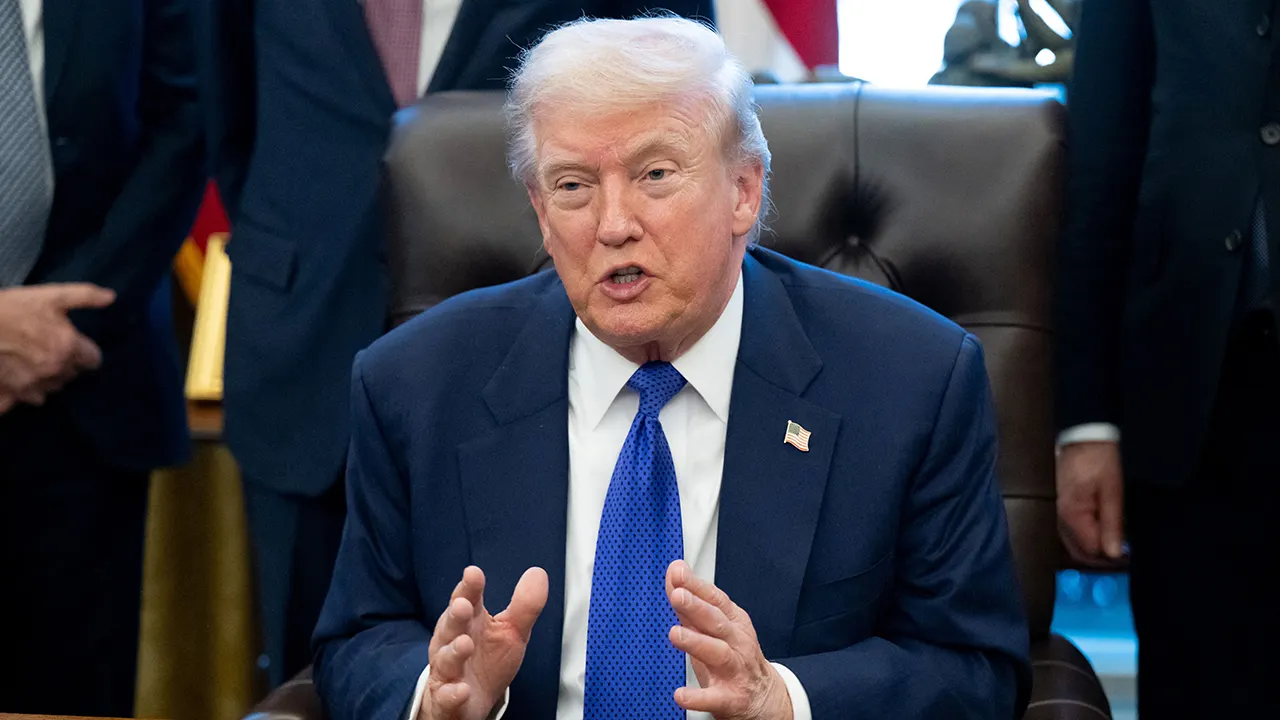
President Donald Trump defended his administration’s law enforcement initiatives in Minneapolis and other major cities during an NBC News interview aired Sunday, claiming that crime rates have fallen significantly due to federal intervention.
“The crime numbers in Minnesota, in Minneapolis in particular, are down 25, 30% because we’ve removed thousands of criminals from the area,” Trump told NBC’s Tom Llamas. “These are hardened criminals… Most of them came in through an open border, and we’ve done a great job.”
The president specifically highlighted Operation Metro Surge, a controversial initiative that deployed thousands of immigration agents to Minneapolis and St. Paul. While the administration has touted the operation’s effectiveness in reducing crime through mass arrests, it has simultaneously sparked significant resistance from local residents and widespread public outcry.
Trump expanded his claims beyond Minnesota, pointing to what he described as dramatic improvements in other metropolitan areas where his administration has implemented similar enforcement strategies.
“Look at Washington, D.C.,” Trump said. “It’s like a safe city. You can walk to the White House. You don’t have to take an armored vehicle.” He added that New Orleans has seen crime drop by 71% and Memphis by 80% after federal interventions lasting only a few weeks.
The president characterized these statistics as evidence of his administration’s successful tough-on-crime approach. “Crime, historically in this country, it’s down to the lowest level it’s ever been,” Trump asserted. “We’ve had less murders than we have had in decades. And you know why? Because we’re tough on crime.”
White House press secretary Karoline Leavitt reinforced these claims earlier in the week, stating that murders in major U.S. cities have plunged to their lowest level since at least 1900. She attributed this decline to increased federal arrests, gang takedowns, and deportations under Trump’s promise to “restore law and order.”
Despite the administration’s insistence on the effectiveness of these operations, Trump revealed during the NBC interview that he had ordered hundreds of federal law enforcement agents to withdraw from Minneapolis following the fatal shootings of two city residents last month. He suggested that the Department of Homeland Security could “use a little bit of a softer touch” in the area.
Following this directive, White House border czar Tom Homan announced Wednesday that approximately 700 federal agents would be leaving the Twin Cities, with the goal of a “complete drawdown” of federal forces.
The Minneapolis operation sits at the center of a broader national debate about federal intervention in local law enforcement matters. Critics have questioned both the tactics employed by federal agents and the accuracy of the administration’s crime statistics, while supporters maintain that these operations are necessary to address public safety concerns, particularly in areas struggling with high crime rates.
The administration’s approach reflects Trump’s longstanding emphasis on law and order as a central policy platform, though the effectiveness and appropriateness of federal interventions in local policing continue to generate significant political controversy. Many local officials in the affected cities have expressed concerns about federal overreach, while others have welcomed the assistance in addressing crime issues.
The White House did not respond to requests for additional comment on the president’s statements or provide further details about the crime statistics referenced in his interview.
Fact Checker
Verify the accuracy of this article using The Disinformation Commission analysis and real-time sources.

16 Comments
The president’s claims about the effectiveness of federal intervention in Minneapolis raise more questions than answers. I encourage further investigation into the data, methods, and societal repercussions of these enforcement efforts.
While crime reduction is a worthy goal, the details around the president’s claims and the broader context of these federal interventions warrant close scrutiny. I look forward to more balanced reporting on this issue.
Reducing crime is a worthy goal, but the means used to achieve it must be carefully scrutinized. I hope journalists can unpack the full scope and impact of these federal actions in an unbiased manner.
Reducing crime is important, but the methods used and their societal impacts must be thoroughly understood. I’m curious to see independent analyses that go beyond the administration’s claims.
The president’s statements about removing ‘thousands of criminals’ through federal actions raise some concerns. I hope there is transparent, fact-based reporting on the specifics and outcomes of these enforcement efforts.
Absolutely, the public deserves a clear understanding of the methods and impacts of these federal operations. Accuracy and accountability should be priorities.
While the president’s claims about crime reduction are noteworthy, the means used to achieve it and their societal impacts must be thoroughly examined. I look forward to seeing more comprehensive, objective coverage of this issue.
The reported crime declines in Minneapolis are noteworthy, but the human and civil rights implications of the federal actions require careful examination. I hope investigative journalists can shed light on the full picture.
Interesting claims about crime reduction in Minneapolis, though the details and impact of federal intervention seem quite controversial. I’d like to see more objective data and analysis before reaching any conclusions.
Agreed, it’s important to examine the full context and implications before drawing firm conclusions. Unbiased data and reporting will be key.
While the reported crime declines in Minneapolis are noteworthy, the broader context and implications of the federal actions deserve more thorough examination. I hope future coverage provides a balanced, fact-based assessment.
Reducing crime is a complex challenge that requires careful, evidence-based approaches. I hope future coverage of the federal actions in Minneapolis provides a more balanced, nuanced understanding of the situation.
The president’s statements about crime reduction seem to lack important context. I hope future reporting provides a more nuanced, fact-based assessment of these federal enforcement efforts and their consequences.
While the reported crime declines in Minneapolis are intriguing, the broader implications of the federal intervention are concerning. I look forward to seeing more comprehensive, objective coverage of this issue.
The president’s statements about crime reduction in Minneapolis seem to lack important nuance. I look forward to seeing comprehensive, independent reporting that sheds light on the full scope and impact of these federal interventions.
The reported crime declines in Minneapolis are intriguing, but the details and broader implications of the federal intervention warrant close scrutiny. I encourage further investigation and fact-based reporting on this issue.