


Listen to the article
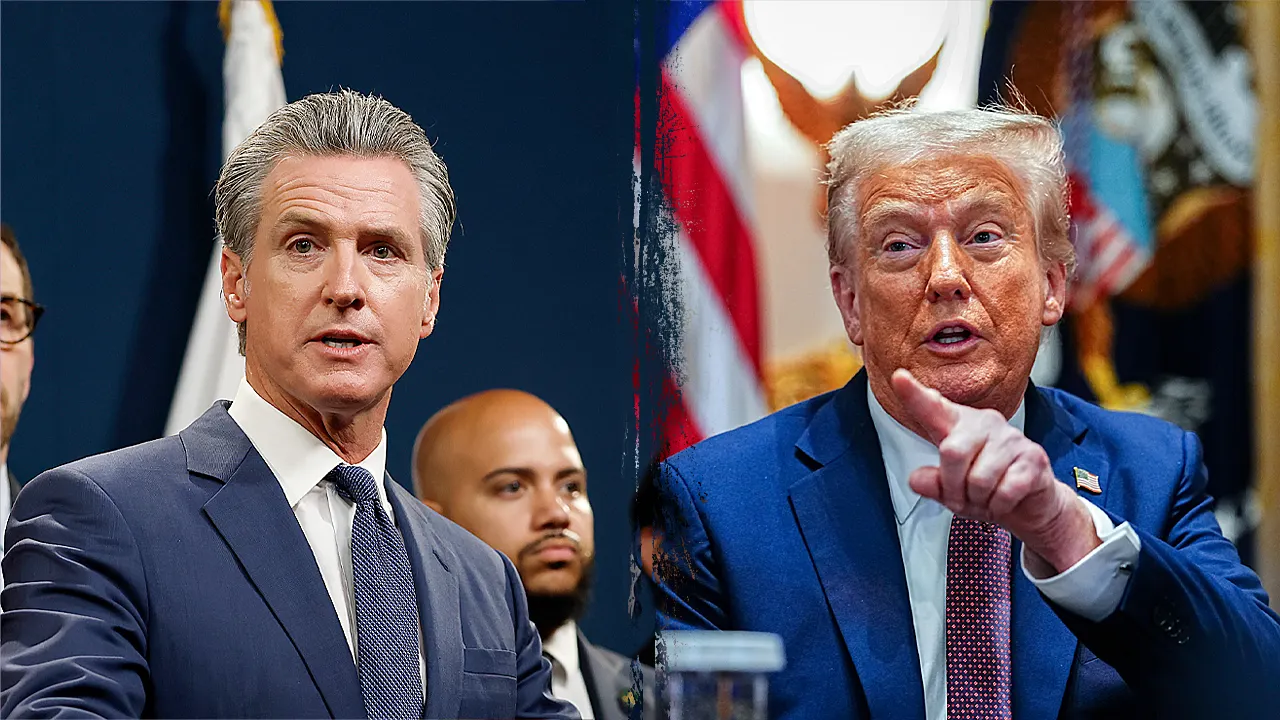
President Trump sparked controversy Monday by questioning California Governor Gavin Newsom’s fitness for higher office due to his learning disability, calling the governor’s dyslexia disqualifying for presidential leadership.
Speaking with reporters in the Oval Office, Trump addressed voter identification requirements and Democratic opposition to such measures, singling out Newsom in his remarks.
“That’s how crazy it’s gotten with a low IQ person, you know, because Gavin Newsom has admitted…that he has learning disabilities,” Trump said. “Honestly, I’m all for people with learning disabilities. But not for my president…I think a president should not have learning disabilities.”
The former president continued his criticism, acknowledging the controversial nature of his comments while doubling down: “I know it’s highly controversial to say such a horrible thing. Gavin Newsom admitted that he has learning disabilities, dyslexia. Everything about him is dumb.”
Newsom, widely viewed as harboring presidential ambitions, has spoken openly about his dyslexia throughout his political career. The neurological condition, according to the International Dyslexia Association, makes reading difficult but does not affect general intelligence.
During a book promotion event in Atlanta last month for his memoir “Young Man in a Hurry,” Newsom addressed his condition directly: “You’ve never seen me read a speech, because I cannot read a speech. I haven’t overcome dyslexia. I’m living with it.”
Trump’s comments mark an escalation in personal attacks against potential Democratic presidential contenders as the 2028 election cycle begins to take shape. Political analysts note that while Newsom hasn’t officially declared interest in a White House bid, his national profile has risen significantly through direct confrontations with Republican governors and policies.
The former president also criticized remarks Newsom made during the same Atlanta event to Mayor Andre Dickens. “I’m not, you know, I’m not trying to impress you, I’m just trying to impress upon you, I’m like you. I’m no better than you,” Newsom told the mayor before mentioning his SAT score of 960 and inability to read prepared speeches.
These comments drew significant backlash from Republicans who accused Newsom of talking down to a predominantly Black audience. Trump seized on this criticism, stating: “So now, on top of everything else, I call him a racist because it happened to be a black audience. I will tell you this, I think it was the worst interview I’ve ever seen of any human being in my life.”
Disability rights advocates have expressed concern that Trump’s comments could stigmatize learning disabilities. The National Center for Learning Disabilities estimates that approximately 20 percent of Americans have some form of learning disability, with dyslexia being among the most common.
Newsom’s office previously defended his Atlanta remarks when the controversy first emerged. “First MAGA mocked his dyslexia and now they’re calling him racist for talking about his low SAT scores. This is MAGA-manufactured outrage,” said spokesperson Izzy Gardon.
“The Governor has said this publicly for years — including with Charlie Kirk and dozens of other audiences,” Gardon added, referring to the conservative commentator with whom Newsom has previously engaged in political debates.
The exchange highlights the increasingly personal nature of political discourse as potential 2028 contenders position themselves on the national stage. Neither Trump nor Newsom has formally declared candidacy for the next presidential election, though both have maintained high profiles since the conclusion of the 2024 campaign.
Fact Checker
Verify the accuracy of this article using The Disinformation Commission analysis and real-time sources.

17 Comments
This is a sensitive topic. While everyone has different abilities, I don’t think it’s appropriate to question someone’s leadership qualifications based on a learning disability. Dyslexia does not define a person’s intelligence or capacity to lead.
I agree. Dyslexia is a common condition that many successful people have overcome. A person’s character and vision are more important than any single trait.
While I may not agree with Newsom’s politics, I don’t believe it’s appropriate to question his fitness for office based on his dyslexia. Learning disabilities are complex and shouldn’t be used as political ammunition. Let’s focus the discussion on the substance of the candidates’ platforms and proposed solutions, not personal attributes.
This is a sensitive topic that deserves thoughtful, nuanced discussion. Dyslexia is a neurological condition, not a measure of one’s intelligence or leadership capacity. I hope we can move past unhelpful stereotypes and evaluate candidates holistically based on their vision and qualifications.
As someone with dyslexia myself, I find these comments quite troubling. Dyslexia is a neurological difference, not a measure of intelligence or leadership ability. I hope we can move past unfounded stereotypes and evaluate candidates based on their actual qualifications and vision.
While I may not agree with Newsom politically, I don’t think it’s appropriate to attack him over his dyslexia. Learning disabilities are complex and shouldn’t be used as political ammo. Let’s focus the discussion on the actual issues and policy proposals, not personal attributes.
Curious to hear more nuanced perspectives on this. Is there evidence that dyslexia would hinder one’s ability to be an effective president? Or is this more about political rhetoric than real concerns?
That’s an interesting point. I think it’s important to avoid making broad generalizations about a person’s capabilities based on a specific learning difference. There may be valid concerns, but they should be evaluated objectively.
I think it’s important to be cautious about making broad claims regarding someone’s fitness for office based on a learning disability. Dyslexia is a common condition that many successful people have. We should evaluate candidates based on their vision and qualifications, not personal attributes.
It’s concerning to see political figures making light of learning disabilities. Dyslexia is a common condition that many successful people have, and it shouldn’t be used to dismiss someone’s fitness for office. These types of comments are disappointing and unproductive.
I agree. Dismissing someone’s potential based on a learning difference sets a harmful precedent. We should be focused on the substance of a candidate’s platform, not making sweeping judgments about their abilities.
This is a sensitive topic that deserves nuanced discussion. Dyslexia is a neurological condition, not a measure of one’s intelligence or leadership capacity. I hope we can move past unhelpful stereotypes and evaluate candidates holistically based on their vision and qualifications.
While I may not be a supporter of Newsom’s policies, I don’t believe it’s appropriate to attack him over his dyslexia. Learning disabilities are complex and shouldn’t be used as political ammunition. Let’s focus the discussion on the actual issues and proposed solutions, not personal attributes.
This is a sensitive topic that deserves a more thoughtful, nuanced discussion. Dyslexia is a neurological condition, not a measure of one’s intelligence or leadership capacity. I hope we can move past unhelpful stereotypes and evaluate candidates holistically.
Agreed. Dismissing someone’s potential based on a learning difference is counterproductive and unfair. We should be focused on the substance of a candidate’s platform, not making broad generalizations about their abilities.
While I may disagree with Newsom’s politics, I don’t think it’s appropriate to attack him over his dyslexia. Learning disabilities are complex and shouldn’t be used as political ammunition. Let’s focus the discussion on the substance of the candidates’ platforms and proposed solutions, not personal attributes.
As someone with personal experience of dyslexia, I find these comments quite troubling. Dyslexia is a common learning difference, not a reflection of one’s abilities. I hope we can move past unfounded stereotypes and evaluate candidates based on their actual qualifications and policy positions.