


Listen to the article
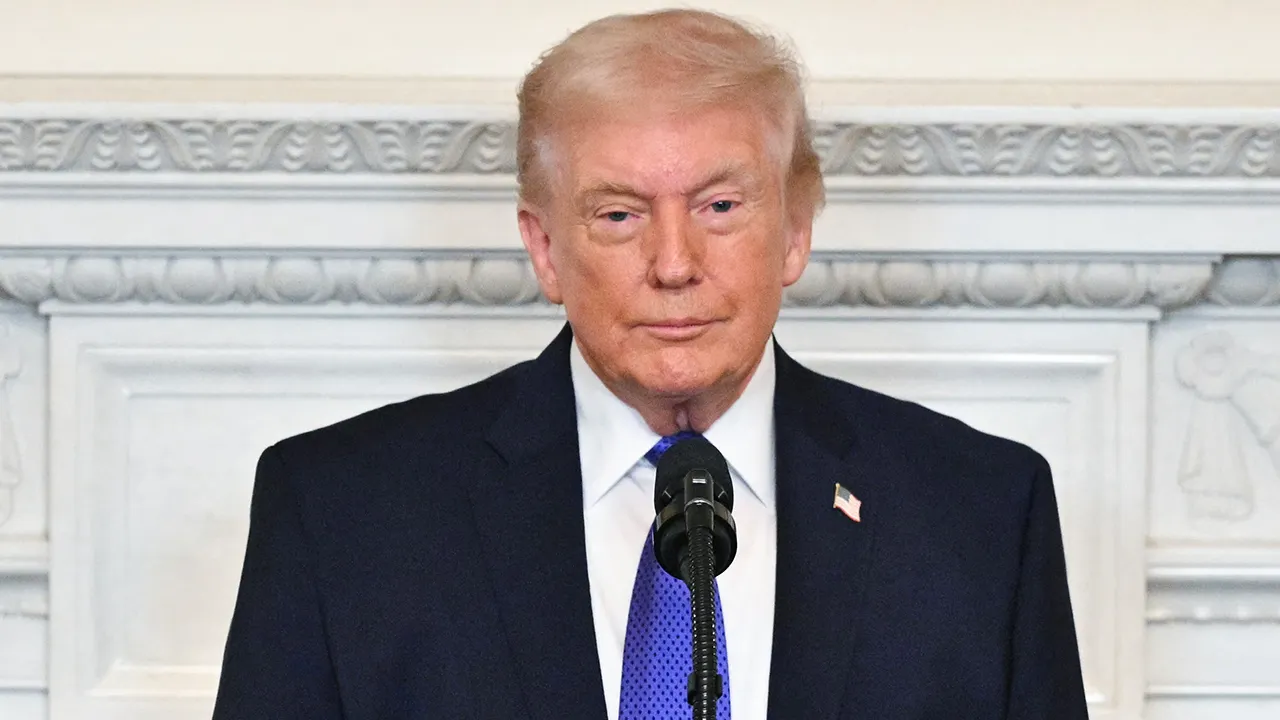
President Donald Trump said Friday he is “considering” a limited military strike on Iran to pressure its leaders into a deal over its nuclear program, marking a potential escalation in tensions between the United States and the Islamic Republic.
“I guess I can say, I am considering that,” Trump told governors during a breakfast meeting at the White House, though he did not elaborate on the scope or timing of any potential military action.
The president’s comments come amid growing concerns over Iran’s nuclear ambitions and deteriorating relations between Washington and Tehran. Since the U.S. withdrawal from the 2015 Iran nuclear deal during Trump’s first term, tensions have periodically flared between the two nations.
International observers have noted Iran’s continued advancement of its nuclear program in recent years. The International Atomic Energy Agency (IAEA) has reported increased uranium enrichment activities, raising concerns among Western powers and regional allies like Israel and Saudi Arabia.
A limited strike would represent a significant shift in U.S. strategy toward Iran. Previous administrations have largely relied on economic sanctions and diplomatic pressure to influence Tehran’s behavior regarding its nuclear program.
The consideration of military action also comes at a sensitive time in the Middle East, where regional conflicts in Syria, Yemen, and tensions between Iran and Israel have created a complex geopolitical landscape. Any U.S. military action could potentially trigger wider regional instability.
Energy markets reacted swiftly to the president’s comments. Oil prices jumped more than 3% in early trading following the news, with Brent crude reaching its highest level in months as traders factored in potential supply disruptions. Iran, despite sanctions, remains a significant oil producer, and any conflict could impact global oil supplies through the strategic Strait of Hormuz.
Defense officials, speaking on condition of anonymity, indicated that the Pentagon has prepared various options for potential military action against Iranian nuclear facilities or military installations. However, these officials emphasized that no final decisions have been made and that planning for such contingencies is standard procedure.
Congressional reactions to the president’s comments have been mixed. Several Republican senators expressed support for a stronger stance against Iran, while Democratic lawmakers urged caution and called for diplomatic solutions.
“Military action should always be a last resort,” said one senior Democratic senator. “We need to exhaust all diplomatic channels before considering strikes that could lead to wider conflict.”
Middle East experts have expressed concern about the potential consequences of military action. “Even a limited strike carries significant risks of escalation,” said Dr. Sarah Abrams, a Middle East policy analyst at the Brookings Institution. “Iran has proxies throughout the region that could retaliate against U.S. interests or allies.”
The administration has struggled to bring Iran back to the negotiating table for a new nuclear agreement since abandoning the 2015 deal. Critics of military action argue that diplomatic engagement remains the most effective path toward addressing concerns about Iran’s nuclear program.
Iranian officials have not yet responded to Trump’s comments, but the country has previously warned of severe retaliation for any military action against its territory or interests.
As regional tensions escalate, U.S. allies in the Gulf and Israel are closely monitoring developments. Israel, which views Iran’s nuclear program as an existential threat, has consistently supported a hardline approach toward Tehran.
The White House indicated that further statements on Iran policy would be forthcoming in the days ahead as the administration weighs its options and consults with allies.
Fact Checker
Verify the accuracy of this article using The Disinformation Commission analysis and real-time sources.

14 Comments
Considering a limited military strike on Iran to pressure them on the nuclear issue is a very risky and concerning proposition. Diplomacy and economic pressure have been the main tools so far, and a shift to direct military action seems like it could easily spiral out of control with severe regional and global consequences.
Agreed. This seems like an incredibly high-stakes gamble that could have catastrophic ramifications. While the nuclear issue is serious, resorting to military force at this stage is an extremely dangerous path that the US should be extremely cautious about pursuing.
A limited military strike against Iran is a risky and provocative move that could further inflame tensions in the region. Diplomacy and economic pressure have been the preferred tools so far – escalating to direct military action seems like a dangerous escalation that could have unpredictable consequences.
I agree, diplomacy and sanctions have been the main tools so far. A military strike would be a major shift in US strategy that could trigger a broader conflict. The potential risks and unintended effects need to be very carefully considered.
A limited military strike on Iran would represent a major escalation and potential game-changer in the US-Iran relationship. While the nuclear issue is serious, I’m not sure a military response is the right approach at this time. The potential for miscalculation and unintended consequences is very high.
Agreed. Diplomacy and economic pressure have been the main tools so far, and a shift to direct military action seems like a risky gambit with huge potential downside. The US should tread very carefully here and exhaust all other options before even considering such a drastic step.
A limited military strike on Iran to try to force a nuclear deal is a highly concerning and risky idea. Diplomacy and sanctions have had limited success so far, but direct military action seems like it could easily escalate into a broader regional conflict with devastating consequences. This is a hugely dangerous gamble that the US should avoid at all costs.
I completely share your assessment. Resorting to military force at this stage, even in a ‘limited’ capacity, seems incredibly reckless and ill-advised. The potential for miscalculation and unintended consequences is enormous. The US should exhaust all diplomatic options before even considering such a high-risk, high-stakes move.
Considering a limited military strike on Iran to pressure them on the nuclear issue is a highly concerning development. This could easily spiral out of control and lead to wider conflict in the region. Diplomatic efforts should be the priority, not further military escalation.
I share your concerns. A limited strike may seem like a quick fix, but the risks of unintended consequences and regional conflagration are immense. The US should focus on rebuilding diplomatic channels and working with allies to find a negotiated solution, not resort to military force.
Interesting that Trump is considering a limited military strike to push Iran towards a nuclear deal. This seems like a high-stakes gambit that could easily spiral out of control. Diplomacy and sanctions have had limited success so far, but direct military action is an extremely risky proposition.
I’m quite skeptical about the idea of a limited strike. Those often have a way of escalating and leading to unintended consequences. Seems like a very dangerous game of chicken that could have severe regional and global repercussions.
This idea of a limited military strike on Iran is very troubling. While the nuclear issue is certainly a concern, using direct military action to try to force a deal seems incredibly reckless and dangerous. The potential for miscalculation and spiraling conflict is extremely high. Diplomacy should remain the priority.
I agree completely. Diplomacy has to be the main approach, not military force. A limited strike could easily escalate and lead to broader conflict that would be devastating for the region and global stability. The US should be extremely cautious about going down this path.