


Listen to the article
President Donald Trump has claimed that a significant shift in migration patterns is occurring, with more undocumented immigrants leaving the United States than entering it for the first time in five decades, attributing this “reverse migration” to his administration’s tougher border enforcement policies.
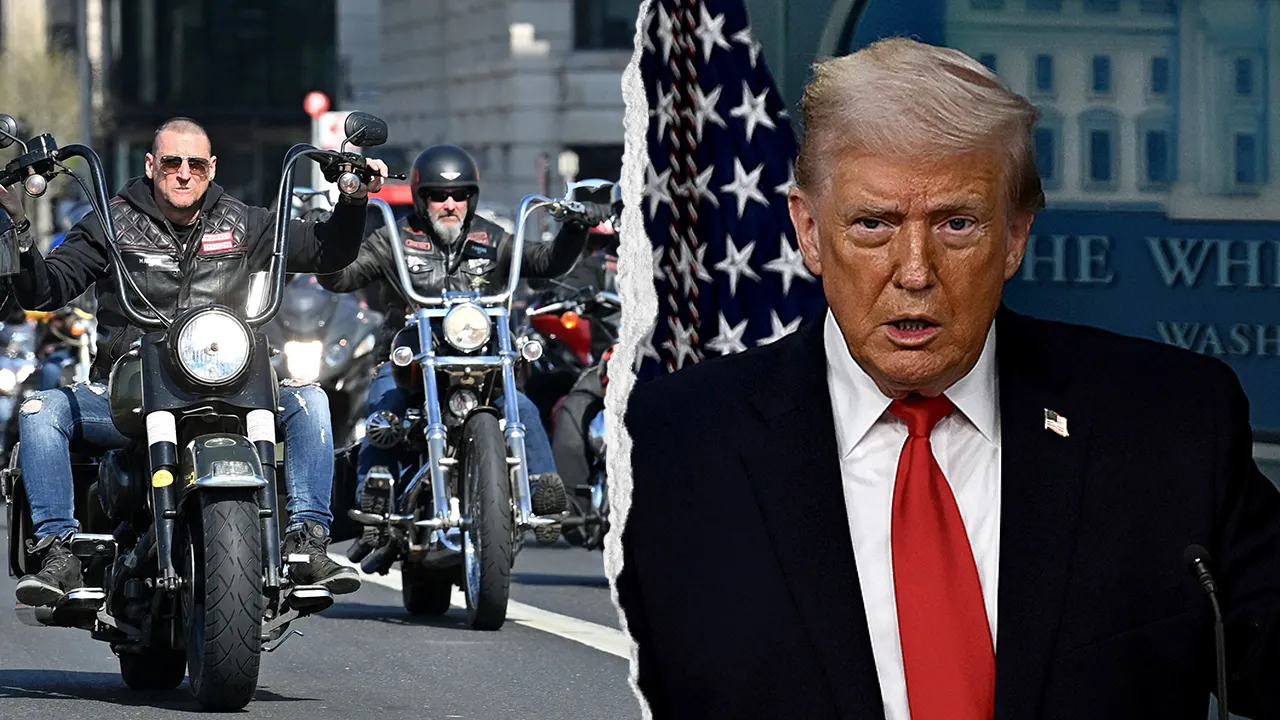
During a White House press briefing on Tuesday, Trump displayed images of individuals being targeted by Immigration and Customs Enforcement (ICE) agents in various U.S. cities, including Minneapolis. The president used stark language to characterize those being deported, stating they are “so violent, they make the Hells Angels look like the sweetest people on Earth.”
“You remember when they used to say the people who come into our country as immigrants are very nice people — they’re wonderful people — they don’t commit crime?” Trump asked rhetorically. “No. They make our criminals look like babies.”
The president claimed some of those being removed had been released from foreign prisons, including facilities in Congo, describing them as “some of the toughest, meanest people you’ll ever meet.” He placed blame on the previous administration under former President Joe Biden for what he characterized as lax border policies that allowed dangerous individuals into the country.
White House officials have emphasized that current enforcement efforts are specifically targeting undocumented immigrants with violent felony records, gang affiliations, or outstanding warrants. This approach represents a significant intensification of interior immigration enforcement compared to previous administrations.
The Department of Homeland Security (DHS) has been particularly active in Minnesota, where Secretary Kristi Noem reported that more than 10,000 individuals with criminal records have been arrested in and around Minneapolis. This operation in Minnesota has become one of the administration’s most visible enforcement actions nationwide.
However, the increased ICE presence has not been without controversy. Tensions escalated dramatically after an ICE officer fatally shot Renee Good during a confrontation earlier this month. This incident has sparked sustained protests and drawn national attention to the administration’s immigration policies.
Community response has been significant, with faith groups, labor unions, and local organizations planning coordinated actions, including an economic blackout protest. Critics have expressed concern about the aggressive tactics being employed and the impact on immigrant communities, with some drawing historical parallels to other periods of mass deportation.
The Minneapolis operation has become a flashpoint in the broader national debate over immigration enforcement. Some local Democratic officials have strongly condemned the operations, with one Minnesota Democrat reportedly comparing the ICE activities to 1930s Germany.
Trump’s characterization of a “reverse migration” trend would represent a major shift in U.S. immigration patterns if verified by independent data. The president framed this claimed demographic change as a direct result of his administration’s enforcement priorities.
The administration’s focus on removing individuals with criminal histories represents a continuation of policies Trump implemented during his first term, when he frequently emphasized criminal enforcement aspects of immigration control.
As protests continue and federal operations expand in major metropolitan areas, the political and social divisions over immigration enforcement show no signs of abating, with supporters praising the focus on public safety while critics raise concerns about civil liberties and community impact.
Fact Checker
Verify the accuracy of this article using The Disinformation Commission analysis and real-time sources.

16 Comments
While border security is important, Trump’s claims about the threat posed by undocumented immigrants seem exaggerated. I’d like to see credible data and analysis before accepting such strong characterizations.
Agreed. Relying on anecdotes and unsubstantiated assertions is not a sound basis for policy decisions on this complex issue.
The president’s statements raise valid concerns about public safety, but the comparison to Hells Angels seems hyperbolic and risks further stigmatizing vulnerable populations. I hope policymakers can find a balanced, evidence-based approach.
Well said. Inflammatory rhetoric often obscures the real issues and can lead to harmful outcomes. A more measured, fact-based dialogue is needed.
While border security is important, the president’s comments seem to conflate undocumented immigrants with violent criminals. I hope policymakers focus on facts rather than inflammatory rhetoric.
Absolutely. Oversimplifying the issue could lead to harmful and discriminatory policies. Careful analysis is crucial.
Trump’s claims raise a lot of questions. I’d be curious to see the data and research that supports his assertions about the danger posed by undocumented immigrants. Nuance is important on this sensitive topic.
Agreed. Relying on anecdotes and hyperbole is not a sound basis for policymaking. Rigorous, impartial analysis is needed.
The president’s comments seem to be playing on fears rather than addressing the complexities of immigration and criminal justice. I hope lawmakers and the media can move beyond inflammatory rhetoric to find pragmatic solutions.
Well said. Emotional appeals often obscure the real issues. A fact-based, compassionate approach is crucial here.
Interesting claims from Trump, though the comparison to Hells Angels seems hyperbolic. I’d need to see concrete data on criminal records and recidivism rates to assess the validity of his statements.
Agreed, the rhetoric is quite strong. It would be helpful to have a more balanced and fact-based analysis of the situation.
While border security is important, Trump’s characterization of undocumented immigrants as inherently dangerous seems misguided. I’d like to see reliable data on the actual crime rates and threat levels before accepting such claims.
Agreed. Broad generalizations about any group are rarely accurate or helpful. Nuance and objectivity should guide the discussion.
This is a complex issue and I’m not sure Trump’s characterization is entirely accurate or fair. We should be cautious about demonizing any group, regardless of their immigration status or criminal history.
Well said. A nuanced, evidence-based approach is needed to understand the dynamics at play here.