


Listen to the article
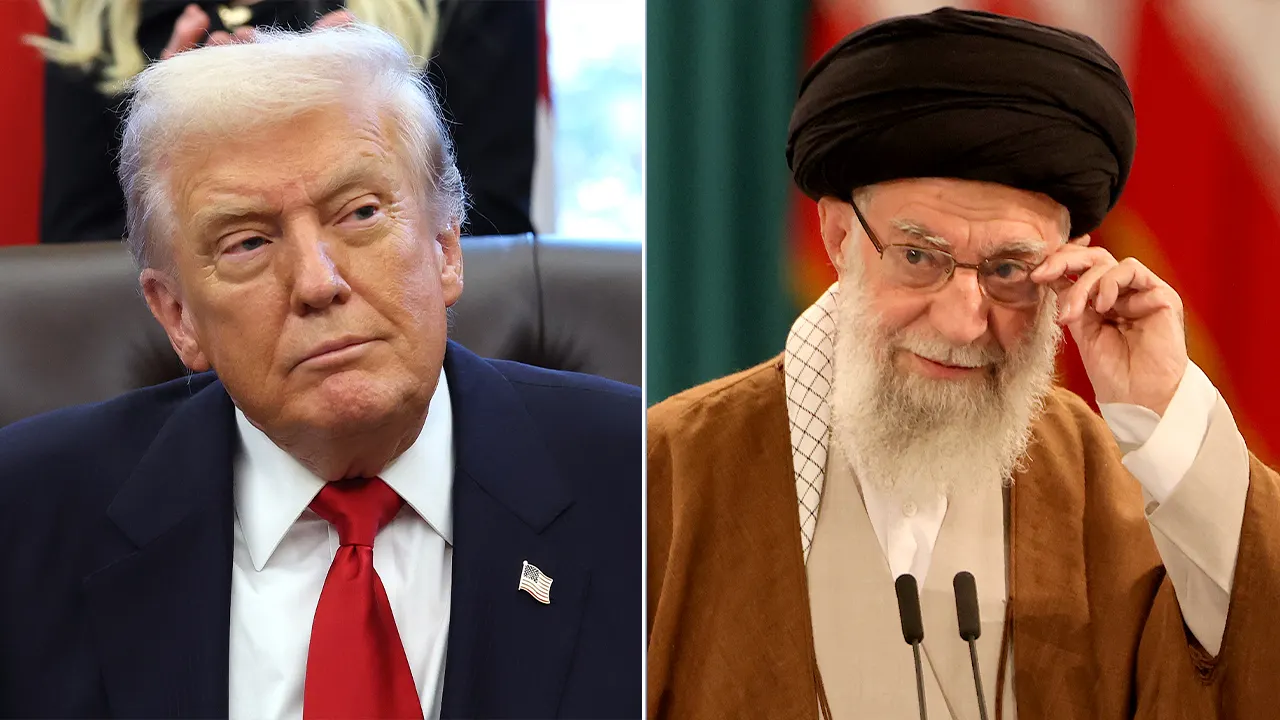
The United States and Iran have taken promising steps toward potential nuclear negotiations, as President Donald Trump characterized recent indirect talks mediated by Oman as “very good.” Speaking to reporters aboard Air Force One on Friday, Trump expressed optimism about the prospect of reaching an agreement with Tehran.
“Iran looks like it wants to make a deal very badly. We’ll have to see what that deal is. But I think Iran looks like they want to make a deal very badly, as they should,” Trump said, suggesting a shift in Iran’s previous reluctance to engage in negotiations.
The president noted that the U.S. has “a big Armada” heading toward Iran, a military deployment he has referenced previously. When questioned about the timeline for reaching an agreement, Trump indicated patience, drawing parallels to the U.S. approach with Venezuela. “We have plenty of time. If you remember Venezuela, we waited around for a while, and we’re in no rush.”
Trump also made clear the consequences of failed negotiations, stating, “They know the consequences if they don’t make a deal. The consequences are very steep.” He emphasized that the meetings with Iranian representatives were productive, involving “a very high representative of Iran.”
The diplomatic engagement took place Friday in Oman, with American and Iranian officials holding separate meetings with Omani intermediaries. Oman’s Foreign Ministry characterized these discussions as focused on “preparing the appropriate conditions for resuming diplomatic and technical negotiations.”
Iranian Foreign Minister Abbas Araghchi also struck a positive tone regarding the talks, describing them as “a good start” and acknowledging a “consensus” that negotiations would continue. “After a long period without dialogue, our viewpoints were conveyed, and our concerns were expressed,” Araghchi said in a statement. “Our interests, the rights of the Iranian people, and all matters that needed to be stated were presented in a very positive atmosphere, and the other side’s views were also heard.”
Despite the diplomatic progress, the United States moved to impose fresh sanctions on Iran immediately following the talks. The State Department announced sanctions against “15 entities, two individuals and 14 shadow fleet vessels connected to the illicit trade in Iranian petroleum, petroleum products, and petrochemical products.”
In justifying the sanctions, the State Department criticized Iran’s priorities, saying, “Instead of investing in the welfare of its own people and crumbling infrastructure, the Iranian regime continues to fund destabilizing activities around the world and step up its repression inside Iran.”
The statement emphasized America’s ongoing commitment to accountability: “So long as the Iranian regime attempts to evade sanctions and generate oil and petrochemical revenues to fund such oppressive behavior and support terrorist activities and proxies, the United States will act to hold both the Iranian regime and its partners accountable.”
This development occurs against a backdrop of heightened regional tensions in the Middle East, with Iran’s nuclear program remaining a critical point of contention between Washington and Tehran. The Trump administration has maintained a “maximum pressure” campaign against Iran since withdrawing from the 2015 nuclear deal, using economic sanctions as its primary tool to influence Iranian policy.
The diplomatic outreach through Oman represents a potential breakthrough after months of escalating tensions. Oman has historically served as a neutral intermediary between the United States and Iran, playing a crucial role in facilitating the negotiations that led to the original 2015 nuclear agreement during the Obama administration.
The Iranian Foreign Ministry has not yet responded to requests for comment regarding the new sanctions, leaving questions about how these punitive measures might affect the nascent diplomatic process.
Analysts suggest that both sides face significant domestic pressures as they approach these negotiations, with the U.S. balancing security concerns and regional alliances while Iran grapples with severe economic challenges exacerbated by years of sanctions.
Fact Checker
Verify the accuracy of this article using The Disinformation Commission analysis and real-time sources.

12 Comments
Interesting to see Trump’s optimism about the Iran nuclear talks. While progress is welcome, we’ll have to see if a deal can actually be reached given the long history of tension. Patience and steady diplomacy will be key here.
Agreed, the path to a lasting nuclear agreement with Iran will likely be long and challenging. But it’s encouraging to see both sides engaging in serious negotiations.
Trump’s comments suggest a pragmatic approach to the Iran nuclear issue, balancing military pressure with diplomatic engagement. However, the path forward remains fraught with challenges and uncertainties.
Well said. While cautious optimism is warranted, a final deal is by no means guaranteed. Navigating the complex geopolitics and historical baggage will require skilled diplomacy on all sides.
I’m curious to see how the Trump administration will balance military pressure with diplomatic outreach on Iran. Striking the right balance will be crucial to making progress on the nuclear issue.
Yes, it’s a delicate dance. The threat of consequences seems aimed at incentivizing Iran, but too much saber-rattling could undermine the negotiation process. Cautious optimism is warranted here.
From the mining and energy industry’s point of view, a negotiated settlement with Iran could unlock significant business opportunities, especially in the oil and gas sector. But stability and predictability are paramount.
Absolutely. The prospect of sanctions relief and normalized trade relations with Iran is enticing for commodity producers and traders. But the details of any deal will be crucial in determining the impact.
While I appreciate Trump’s apparent willingness to engage diplomatically with Iran, I remain somewhat skeptical about the prospects for a comprehensive, verifiable nuclear deal. The historical baggage is substantial.
That’s a fair perspective. Past failures make it understandable to be cautious about the current talks. Sustained good-faith efforts on both sides will be critical to overcome the deep mistrust.
The mining and commodities sector will be closely watching these developments, as a potential Iran deal could impact global energy and resource markets. Stability in the Middle East is crucial for the industry.
That’s a good point. A diplomatic breakthrough with Iran could help ease geopolitical risks and volatility in key commodities like oil, uranium, and strategic minerals.